
Free Zither Music Generator Powered by AI
Turn text into high-quality Zither music effortlessly – no login required!

music.toolTips
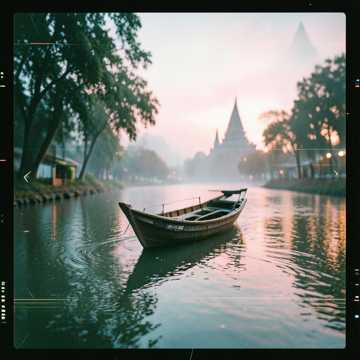
Huế chiều mưa
Giữa mưa đông xứ Huế, lời hò và những địa danh thân thuộc gói nỗi đợi chờ người xa. Nhịp slow rock chậm cùng sắc màu dân ca gợi không gian hoài niệm, phù hợp những phút lắng lòng hoặc hành trình khám phá cố đô.
05:05
1 days ago

Huế chiều mưa
Giữa chiều mưa xứ Huế, lời hò và cảnh sắc sông Hương gợi nỗi chờ mong người đi biền biệt. Giai điệu slow rock chậm, mang âm hưởng dân ca cùng đàn bầu, đàn tranh và sáo trúc, phù hợp cho những phút lắng lòng hoặc giới thiệu vẻ đẹp cố đô.
04:36
1 days ago
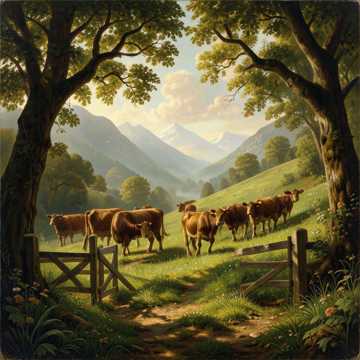
Thả Bò Ngoài Động
Bài hát kể về Win cùng bạn dậy sớm thả bò ngoài động, men theo triền đồi xanh, nghỉ dưới bóng cây và chia sẻ những câu chuyện vui. Giai điệu dân gian đồng quê tươi sáng tôn vinh tình bạn, lao động bình dị và vẻ đẹp thanh bình.
02:14
2 days ago
THƠ DUYÊN
Bài hát tôn vinh duyên tình son sắt qua hình ảnh trăng, trúc, phách tre và lời hò. Hát Xẩm hòa quyện rap gieo quẻ, trống dồn, bass mạnh cùng nhạc cụ dân tộc, tạo không khí vừa truyền thống, vừa hiện đại, giàu năng lượng sân khấu.
02:42
2 days ago

江湖回音
作品以古筝与远方二胡开启江湖意境,在笛声、框鼓和电子氛围的陪伴下缓缓推进。旋律含蓄苍凉,最终升至哀婉高潮,再逐渐淡出,仿佛一段旧梦在山水与风声中留下回音。
03:40
3 days ago
Obacht
Obacht ist eine grell überzeichnete, bairisch phonetisierte Polka-Techno-Satire. Ein scheinbar harmloser Ausflug in eine bunte Festwelt kippt in Spott über politische Bevormundung, Gruppendruck und die Vereinnahmung des Einzelnen. Jodelrufe, Blasmusik und wuchtiger Bass verbinden ausgelassene Feierlaune mit zunehmend bitterem Unbehagen.
03:21
4 days ago
Österreich Tradition
Ein kraftvolles musikalisches Panorama österreichischer Traditionen: Wiener Eleganz, alpine Folklore und symphonischer Metal verschmelzen zu einem festlichen Marsch voller Heimatverbundenheit, heroischem Aufbruch und orchestraler Größe.
03:58
5 days ago
Bunt
Das satirische Polkalied verbindet ausgelassene Oktoberfest-Klänge mit einer düsteren politischen Groteske. In stark überzeichnetem bairischem Dialekt prallen vermeintliche Weltoffenheit, ideologische Bevormundung, Gewaltfantasien und Wahlfrust aufeinander. Die fröhliche Musik kontrastiert bewusst mit den zunehmend bedrohlichen Bildern und verleiht dem Stück eine bitter-komische Wirkung.
02:46
5 days ago
Introduction to Zither: Definition and History
The zither is a family of stringed instruments with a flat, shallow body and strings stretched across the length of the instrument. Originating from Central Europe, particularly in the Alpine regions, the zither has roots dating back to ancient times. Over centuries, it has evolved into various forms, such as the concert zither, folk zither, and others. Its development spans many cultures, with significant contributions from German and Austrian traditions. The zither gained widespread popularity in the 19th century, particularly in folk and classical music. It is known for its distinctive, melodic sound and is often associated with traditional music from Germany, Austria, and Eastern Europe.
Zither Sub-tags and Classifications
Concert Zither
The concert zither is the most common form of zither, featuring five melody strings and around 30 accompaniment strings. This type of zither is often used in classical music performances and is known for its versatile and rich sound. The concert zither is often played on the lap or on a table, with the musician plucking the strings using their fingers or a plectrum.
Folk Zither
The folk zither is typically simpler than the concert version and is often used in traditional music, particularly in Austria and Bavaria. It has fewer strings and is easier to play, making it a popular choice for folk musicians. The folk zither is deeply embedded in the musical traditions of Alpine regions and is often used to accompany folk songs and dances.
Hammered Zither (Hackbrett)
The hammered zither, also known as the Hackbrett in German, is a variant where the strings are struck with small mallets rather than plucked. This produces a sharp, percussive sound. The Hackbrett is closely related to the dulcimer and is often used in both folk and classical music across Central and Eastern Europe.
Autoharp
The autoharp is a type of zither with a series of chord bars attached to dampers, which, when pressed, mute all the strings except those that form the desired chord. This makes the autoharp a popular instrument for beginners and for use in educational settings. It's often associated with American folk and country music.
Chinese Zheng
The Chinese zither, known as the Zheng, is an ancient Chinese instrument with a history spanning over 2,500 years. It typically has 21 strings and movable bridges. The Zheng produces a bright, resonant sound and is used in traditional Chinese music as well as contemporary compositions.
Famous Zither Artists and Iconic Works
Anton Karas
Anton Karas was a renowned Austrian zither player and composer, best known for his score for the 1949 film 'The Third Man.' His iconic piece 'The Third Man Theme' brought the zither into the global spotlight and remains one of the most famous zither compositions to date.
The Third Man Theme
Composed by Anton Karas for the film 'The Third Man,' this piece is one of the most recognizable zither compositions. Its catchy, melodic line and unique sound made the zither an internationally recognized instrument. The piece is known for its simplicity yet profound emotional impact.
Rudolf Carl
Rudolf Carl was a notable Austrian zither player who significantly contributed to the popularity of the instrument in the 20th century. His performances were characterized by their technical precision and emotional depth, influencing many zither musicians.
Tales from the Vienna Woods
This classic work by Johann Strauss II, while originally composed for the orchestra, features a prominent zither solo. The zither part adds a distinctively Viennese flavor to the piece, showcasing the instrument's ability to blend with classical orchestration while standing out for its timbre.
Viktor Klimenko
A Finnish-Russian zither player, Viktor Klimenko is celebrated for his fusion of traditional zither music with modern genres. He has brought the instrument to a broader audience by incorporating it into various contemporary music styles.
Zither Dream
A modern composition by Viktor Klimenko, 'Zither Dream' blends traditional zither playing techniques with electronic music. The piece is innovative for its integration of the zither into contemporary genres, demonstrating the instrument's versatility and timeless appeal.
Zither Application Scenarios
Zither music is often used in film soundtracks to evoke a specific cultural or emotional atmosphere. For example, the zither was famously used in the soundtrack for 'The Third Man,' giving the film a unique sound that complemented its setting and tone.
Film Soundtracks
The distinctive sound of the zither can be used in advertising to create an exotic or nostalgic atmosphere. Its association with folk traditions can evoke feelings of authenticity and heritage, making it a great choice for brands that want to emphasize these qualities.
Advertising Music
In video games, zither music is often used to underscore scenes set in historical or cultural settings, particularly those based in European traditions. The zither's unique sound can help immerse players in the game's world, providing an auditory connection to the setting.
Game Background Music
Zither music is a staple in live performances, especially in folk and classical concerts. Its ability to convey both traditional and contemporary sounds makes it a versatile instrument for various performance settings, from intimate gatherings to large concert halls.
Live Performances