
Free Classic trot Music Generator Powered by AI
Turn text into high-quality Classic trot music effortlessly – no login required!

music.toolTips
어르신들 오늘도 파이팅
어르신들의 부지런한 삶과 깊은 정을 응원하며, 친구와 가족이 함께 웃고 내일을 향해 나아가자는 밝은 트로트 응원가입니다. 익숙한 시장 풍경과 따뜻한 위로가 흥겨운 합창으로 피어납니다.
04:27
2 days ago

정든 사람아
세월을 함께 건너온 소중한 사람에게 감사와 애정을 전하며, 건강하게 오래오래 만나자는 약속을 밝고 정겨운 트로트로 노래한 곡입니다. 삶의 기쁨과 걱정을 나누는 관계의 따뜻함이 중심 정서입니다.
04:04
2 days ago
일흔 잔치
일흔 해를 성실히 살아온 주인공을 위해 온 가족과 이웃이 모여 축하하는 흥겨운 칠순 잔치 노래입니다. 고마움과 존경, 가족의 사랑을 밝은 트로트 리듬과 만수무강의 후렴구에 담아 웃음과 어깨춤을 이끌어냅니다.
04:02
2 days ago

사진첩 속 우리 가족
오래된 사진첩을 넘기며 어린 시절 가족의 웃음과 부모님의 사랑을 되새기는 곡입니다. 경쾌한 트로트 리듬 속에 그리움, 감사, 가족애를 담아 멀리 있어도 한마음으로 이어진 가족의 소중함과 재회의 희망을 따뜻하게 전합니다.
04:33
2 days ago

우리 집 가훈
가족의 손때 묻은 가훈을 통해 서로 믿고 아끼며 살아가는 행복을 노래한다. 경쾌한2/4 뽕짝 리듬과 따뜻한 남성 보컬, 아코디언과 브라스가 어우러져 세대가 함께 부를 수 있는 희망찬 가족 찬가를 완성한다.
04:49
2 days ago
새 달력 첫 장
달력의 첫 장에 웃음과 사랑의 다짐을 적으며 다시 일어서는 노래다. 정겨운 사람들과 작은 기쁨을 나누는 가사에 경쾌한2박자와 아코디언, 금관 악기가 힘을 보탠다. 새해 모임이나 인생의 새로운 출발을 함께 축하하는 자리에 어울린다.
05:10
2 days ago

이발소 라디오
이발소 라디오는 동네 사람들의 추억과 안부, 세월의 흔적을 따뜻하게 품어내는 정통 트로트다. 가위 소리와 라디오 선율, 익살스러운 위로가 어우러져 오늘도 살아 있음에 감사하고 내일을 기대하게 만든다.
04:18
2 days ago

우유 한 병
목욕탕을 나온 뒤 마시는 차가운 우유 한 병을 통해 소소한 행복과 삶의 감사함을 그린 밝은 트로트입니다. 경쾌한2/4 뽕짝 리듬, 아코디언과 브라스의 응답, 구성진 남성 보컬이 nostalgic한 정서와 함께 singalong의 즐거움을 선사합니다.
04:07
2 days ago

영숙아 불러본다
십 년의 세월을 건너 옛사랑 영숙의 이름을 다시 부르는 추억의 트로트입니다. 골목길의 웃음과 막걸리 한 잔의 청춘을 떠올리며 용기 내 전화를 걸고, 마지막에는 재회의 기쁨을 함께 춤추자는 희망으로 승화합니다.
04:13
2 days ago
잘 가시오 내 사랑아
기차역에서 사랑하는 이를 떠나보내는 순간을 그린 정통 트로트입니다. 슬픔을 웃음으로 감싸며, 이별 뒤에도 남는 정과 언젠가 다시 만날 희망을 힘찬 노래로 전합니다.
04:19
2 days ago

제대 기차
제대를 맞은 화자가 기차를 타고 고향과 가족에게 돌아가는 여정을 그린 밝고 정겨운 트로트다. 군 생활의 고생을 뒤로하고 동료와 작별하며, 부모의 품에서 새로운 삶을 시작하는 기쁨과 벅찬 해방감을 담았다.
04:35
2 days ago

커피 한 잔, 여유 한 모금
커피 한 잔을 매개로 바쁜 일상에서 잠시 쉬어 가는 기쁨을 노래합니다. 밝은2박자 트로트와 정겨운 가사, 아코디언과 브라스의 응답이 어우러져 소박한 행복과 함께하는 따뜻한 정서를 전합니다.
03:27
3 days ago

김장하는 날
김장하는 날 온 가족이 모여 배추를 버무리고 수육을 나누며 정을 쌓는 풍경을 그린 밝고 따뜻한 트로트입니다. 반복적인 후렴과 흥겨운 장단이 가족애, 전통, 겨울의 포근한 공동체 감각을 생생하게 전합니다.
04:02
3 days ago
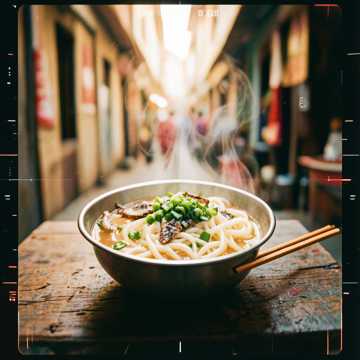
할매 손칼국수
장터 한켠에서 손칼국수를 내어주시던 할머니의 손길과 넉넉한 정을 추억하는 곡이다. 경쾌한 트로트 리듬과 따뜻한 후렴이 고단한 삶을 위로하며, 사라져가는 골목의 풍경과 가족 같은 이웃의 정을 생생하게 되살린다.
04:14
3 days ago

국밥 한 그릇
힘든 하루를 보낸 화자가 국밥집에서 따뜻한 한 그릇과 정겨운 인심을 만나 다시 힘을 얻는 이야기입니다. 경쾌한 뽕짝 리듬과 반복적인 후렴이 소박한 위로, 감사, 삶을 이어가는 긍정성을 따뜻하게 전합니다.
03:32
3 days ago

청춘아 기타를 울려라
낡은 기타와 친구들의 노래를 매개로 지나간 청춘의 추억과 현재의 기쁨을 되살리는 밝은 트로트다. 세월이 흘러도 변하지 않는 우정과 용기를 경쾌한 리듬, 따뜻한 떼창, 긍정적인 가사로 노래한다.
04:02
3 days ago

버킷리스트 하나 지웠다
산 정상에 오르며 버킷리스트를 완성한 순간의 뿌듯함과 환희를 담은 밝은 트로트입니다. 힘든 오르막도 웃음으로 이겨 내고, 다음 여행지를 꿈꾸며 내일을 긍정하는 삶의 찬가입니다.
04:00
3 days ago

인생은 지금부터
긴 세월을 달려온 뒤 새로운 취미와 소중한 사람들과의 시간을 발견하며 인생의 제2막을 즐기는 노래다. 경쾌한 트로트 리듬과 따뜻한 가사가 늦게 피어도 아름다운 삶의 기쁨, 감사, 희망을 힘찬 합창으로 전한다.
04:09
3 days ago
내일은 더 좋은 날
내일은 더 좋은 날은 고단한 삶 속에서도 서로를 격려하며 희망을 잃지 말자는 밝은 트로트 곡입니다. 반복되는 후렴과 경쾌한 리듬, 따뜻한 정서가 일상의 위로와 함께 걷는 기쁨을 전합니다.
03:10
3 days ago

내 인생아 노래하자
거울 앞의 자신에게 수고했다고 말하며 삶의 고비를 지나온 시간을 긍정하는 노래다. 따뜻한 밥상과 친구의 안부에서 감사와 힘을 발견하고, 넘어져도 다시 일어나 내 인생을 사랑하며 즐겁게 살아가자는 희망을 경쾌한 트로트로 전한다.
04:00
3 days ago
Classic Trot: Definition, Origins, and Historical Development
Classic Trot is a traditional Korean popular music style recognized for its steady two-beat or four-beat pulse, emotionally expressive vocal delivery, memorable melodies, and characteristic rhythmic movement often associated with the Korean expression ppongjjak. The genre commonly uses pentatonic or modal melodic patterns, repeated phrases, ornamental vocal turns, and lyrics about love, separation, homesickness, family, aging, travel, and everyday life. Although Classic Trot is frequently associated with vintage Korean recordings from the mid-twentieth century, its roots can be traced to the formation of modern popular music in Korea during the1920s and1930s. Early Korean popular songs were influenced by Japanese traditional and modern song forms, Western harmony, imported recordings, theater music, and local Korean melodic traditions. Over time, these influences were adapted into a distinctive Korean style rather than simply reproduced. The1930s are often regarded as a foundational period for Korean trot, with songs such as Lee Aerisu's "The Heartless" and later works by artists including Nam In-soo helping establish the genre's emotional and melodic vocabulary. During the1940s and the Korean War era, Classic Trot became closely connected with displacement, loss, separation, and longing. In the1950s and1960s, radio, gramophone records, movie soundtracks, and live stages expanded its audience. Singers such as Hyun Mee, Choi Sook-ja, Nam Jin, and Na Hoon-a helped develop different vocal and performance approaches. Classic Trot reached broad commercial and cultural prominence in the1960s and1970s. It became a major part of television variety programs, record markets, regional touring shows, and Korean cinema. In later decades, newer pop styles reduced its dominance among younger listeners, but Classic Trot remained important through family listening, holiday performances, local festivals, karaoke, and televised singing competitions. Contemporary artists continue to reinterpret Classic Trot with modern arrangements while preserving its recognizable rhythm, direct emotional storytelling, and strong sing-along appeal. For this reason, Classic Trot can refer both to the historical repertoire and to the traditional stylistic approach that continues to influence modern Korean music.
Classic Trot Sub-Tags and Musical Classifications
Early Modern Trot
Early Modern Trot refers to Korean popular songs from approximately the1920s through the1940s, when the foundations of the style were being established. These recordings often feature concise forms, moderate tempos, acoustic orchestration, and melodies shaped by Korean and East Asian modal practices. The vocal style is comparatively restrained in some works, but it already shows the expressive phrasing, repeated melodic hooks, and sentimental themes that became central to Classic Trot. This sub-tag is useful for listeners interested in the historical origins of Korean popular song.
War-Era and Postwar Trot
War-Era and Postwar Trot describes songs connected with the Korean War, national division, migration, bereavement, and the difficult rebuilding period of the1950s. The music often emphasizes minor or plaintive tonal colors, slow-to-moderate tempos, dramatic strings, and lyrics about absent loved ones or lost hometowns. Its emotional directness made it a powerful form of collective memory. Many songs in this classification are associated with nostalgia, han, separation, and the experience of people who had been displaced.
Golden-Age Traditional Trot
Golden-Age Traditional Trot generally refers to the highly popular style that developed from the1960s through the1970s. It is characterized by a clear two-beat or four-beat groove, strong melodic repetition, polished studio arrangements, and highly recognizable vocal personalities. Brass, strings, accordion, electric guitar, piano, and rhythm sections were commonly used. This period produced many songs that remain standards at karaoke venues, family gatherings, televised music programs, and community festivals.
Slow Classic Trot Ballad
Slow Classic Trot Ballad is a more restrained and lyrical form of trot. Instead of emphasizing a lively dance pulse, it uses spacious accompaniment, sustained vocal lines, expressive vibrato, and gradual dynamic development. Typical subjects include lost love, farewell, loneliness, memory, and devotion. The style can resemble a sentimental ballad while retaining trot's characteristic melodic turns and rhythmic phrasing. It is especially effective in films, television dramas, memorial performances, and emotionally focused stage shows.
Upbeat Dance Trot
Upbeat Dance Trot, sometimes associated with the colloquial term ppongjjak, foregrounds a propulsive repeated beat and an immediately accessible chorus. The rhythm is designed for movement, audience participation, and group singing. Arrangements may include prominent brass, electronic keyboards, drum-machine patterns, guitar, and call-and-response sections. While some modern examples incorporate pop, rock, or electronic production, the traditional version remains recognizable through its steady pulse, repeated hooks, and lively vocal delivery.
Narrative and Thematic Trot
Narrative and Thematic Trot is classified by lyrical subject rather than by tempo or instrumentation. It includes songs about hometowns, parents, mothers, aging, rural life, travel, military service, romance, and national or regional identity. The lyrics are usually direct and easy to understand, allowing the song to function as a compact story. This classification highlights why Classic Trot has remained culturally durable: listeners can connect a song to personal memories, family histories, places, and major events.
Stage and Variety-Show Trot
Stage and Variety-Show Trot is arranged for live performance, broadcast entertainment, and audience interaction. It often features a strong introductory instrumental phrase, clear verse-and-chorus structure, visual gestures, dramatic key changes, and opportunities for vocal ad-libs. Singers may adapt the tempo, ornamentation, or spoken introductions to suit the audience. This form helped Classic Trot survive across generations because it works especially well in concerts, televised competitions, cultural festivals, and karaoke.
Modern Revival Trot
Modern Revival Trot preserves the melodic and rhythmic identity of Classic Trot while introducing contemporary sound design. Producers may combine traditional vocal ornamentation with hip-hop beats, dance-pop synths, rock guitars, orchestral textures, or digital production. The classification is useful for describing newer recordings that consciously reference vintage Korean trot without reproducing its historical instrumentation exactly. Modern Revival Trot often introduces the genre to younger listeners and international audiences.
Famous Classic Trot Artists and Representative Works
Lee Aerisu
Lee Aerisu is associated with the formative era of Korean popular song. Her recording of "The Heartless" is frequently discussed in histories of early Korean trot and modern popular music. Her work represents the period when Korean singers and composers were developing a commercial song language that combined local melodic sensibilities with imported musical formats. She is important for understanding the early emergence of the Classic Trot tradition.
Tears of Mokpo
"Tears of Mokpo," associated with Nam In-soo, is an important Classic Trot standard built around homesickness, regional identity, and emotional departure. Its melodic design favors a memorable contour that can be recognized after only a few phrases, while the vocal line allows expressive bends and vibrato. The song demonstrates how a specific location can become a symbolic emotional landscape, turning a regional reference into a national song of longing. Its lasting appeal also comes from its adaptable arrangement: it can be performed with a small traditional ensemble, a full orchestra, or a modern stage band.
Nam In-soo
Nam In-soo was one of the defining male vocalists of early Korean trot. His representative song "Tears of Mokpo" became an enduring standard known for its strong sense of place, longing, and vocal expressiveness. His clear diction, controlled vibrato, and emotionally concentrated delivery helped establish the male singing style that later Classic Trot performers studied and adapted.
Heartbreaking Miari Hill
"Heartbreaking Miari Hill," performed by Lee Hae-yeon, is closely connected with the pain of wartime separation and displaced families. Its sorrowful melodic atmosphere and carefully repeated lyrical images create a strong sense of helplessness and remembrance. The work is notable for showing how Classic Trot could function as historical testimony without abandoning the accessible verse-and-refrain structure of popular song. Its emotional weight comes from the contrast between a steady underlying pulse and a vocal performance filled with grief.
Lee Hae-yeon
Lee Hae-yeon is best known for "Heartbreaking Miari Hill," a song associated with separation and the Korean War era. Her performance demonstrates how Classic Trot could transform historical trauma into a widely shared popular song. The expressive melodic line, repeated emotional phrases, and sorrowful vocal color made the recording an important example of postwar trot.
Night Fog
"Night Fog," associated with Hyun Mee, uses an atmospheric image to express loneliness, uncertainty, and romantic distance. Compared with more overtly dance-oriented trot, the song relies on a restrained tempo, spacious phrasing, and a polished arrangement. Its appeal lies in the balance between international-sounding popular music textures and the Korean sentimental vocal tradition. The recording illustrates how Classic Trot could absorb contemporary orchestral and urban-pop influences while retaining direct emotional communication.
Hyun Mee
Hyun Mee became a major voice in the development of postwar Korean popular music. Her representative song "Night Fog" is often described as a sophisticated, atmospheric entry in the Korean popular song tradition. Through her polished phrasing and modern stage presence, she helped connect classic sentimental singing with the changing arrangements and performance culture of the1960s.
Busan Port of Tears
"Busan Port of Tears," associated with Choi Sook-ja, exemplifies the port-city and travel imagery frequently found in Classic Trot. The harbor becomes a setting for farewell, waiting, and unresolved love. The song's accessible melodic hook, steady rhythm, and vivid place reference make it effective for communal singing. It also demonstrates one of the genre's central innovations: transforming everyday locations such as ports, stations, roads, and hometowns into emotionally charged symbols.
Choi Sook-ja
Choi Sook-ja is associated with the polished female vocal sound of the1960s and1970s. Her representative recordings, including "Busan Port of Tears," demonstrate the genre's ability to combine urban imagery, travel, separation, and a strong sing-along refrain. Her contribution lies in making emotionally direct Classic Trot accessible through memorable melodies and a confident broadcast-era performance style.
With You
"With You," associated with Nam Jin, represents the more energetic and romantic side of the Classic Trot repertoire. Its rhythmic drive and clear refrain make it suitable for stage performance, dancing, and audience participation. The vocal line is direct rather than heavily ornamented, allowing the singer's rhythmic articulation and charismatic delivery to carry the performance. The work helped show that trot could be youthful, bright, and commercially modern while maintaining its traditional two-beat foundation.
Nam Jin
Nam Jin is one of the most influential male singers of the Classic Trot golden age. Songs such as "With You" and "Nest" showcase his bright tone, rhythmic precision, energetic stage manner, and ability to make trot appealing in a pop-oriented entertainment environment. He helped popularize a more dynamic and youthful male performance style while retaining the genre's traditional melodic and rhythmic identity.
Mugunghwa Flower
Na Hoon-a's "Mugunghwa Flower" uses the national flower of Korea as a central image of endurance, identity, and emotional attachment to homeland. The song's broad melodic lines and emphatic vocal delivery give it a ceremonial quality, while its recognizable refrain supports group singing. It is a strong example of how Classic Trot can move beyond private romance and address collective feeling, resilience, and cultural memory.
Na Hoon-a
Na Hoon-a is renowned for his expressive vocal delivery, dramatic interpretation, and commanding live performances. Representative songs such as "Mugunghwa Flower" and "Empty Boat" illustrate his use of strong emotional contrasts, sustained notes, and memorable lyrical images. He has made a significant contribution to the preservation and reinvention of Classic Trot, especially through concerts that emphasize storytelling and vocal technique.
Tae Jin-ah
Tae Jin-ah represents the continuity of traditional Korean trot into the modern recording and television era. His performances often retain the direct lyrical style, steady pulse, and audience-friendly chorus of Classic Trot while using contemporary arrangements. His career demonstrates how the genre can remain commercially and culturally relevant beyond its original golden age.
Jang Yoon-jeong
Jang Yoon-jeong played a major role in the twenty-first-century revival of Korean trot. Her hit " 어머나!" helped reintroduce a lively, highly accessible trot sound to younger audiences through television, digital media, and public performances. Her contribution lies in combining classic rhythmic phrasing and vocal ornamentation with modern production, concise hooks, and a contemporary stage image.
Classic Trot Music Application Scenarios
Classic Trot is highly effective in films set from the1930s through the1970s because its instrumentation, vocal style, and recording texture can immediately establish a period atmosphere. A song with surface noise, accordion, strings, or brass can suggest an old radio, a theater, a market, or a family home. Trot can also deepen scenes involving migration, wartime separation, reunion, or nostalgia by connecting the characters' personal emotions with broader Korean history.
Historical and Period Films
Modern directors can use Classic Trot in present-day stories to represent family memory, an older character's identity, regional belonging, or an intentionally retro mood. A traditional recording may create contrast in a youthful setting, while a newly arranged Classic Trot song can support a romantic, bittersweet, or comedic scene. Its immediately recognizable emotional language makes it useful for transitions, montage sequences, family gatherings, and reunion scenes.
Contemporary Film and Television Soundtracks
Classic Trot works well in advertising when a brand wants to communicate warmth, trust, familiarity, community, or intergenerational appeal. A short two-beat hook can make a commercial memorable, and a call-and-response chorus can be adapted into a jingle. Suitable categories include food, traditional markets, travel destinations, financial services, household products, local festivals, and products marketed to families. For younger consumers, the same Classic Trot melody can be remixed with electronic beats or hip-hop production.
Advertising and Brand Campaigns
Classic Trot can provide distinctive background music for games set in historical Korea, fictional villages, port cities, roadside inns, family restaurants, or retro urban environments. A lively trot arrangement can support a festival, market, or mini-game, while a slow trot ballad can accompany a narrative about memory, loss, or a character's hometown. Interactive games can also use changing instrumentation and tempo to reflect a character's emotional development.
Video Games and Interactive Media
Classic Trot is a natural choice for cultural festivals, community concerts, senior events, regional celebrations, and heritage programs. Its sing-along structure allows audiences with different musical backgrounds to participate without specialized knowledge. Live bands can perform traditional arrangements, while younger performers can present crossover versions that connect Classic Trot with contemporary dance, rock, or orchestral music.
Korean Cultural Festivals and Heritage Events
The direct melodies and familiar refrains of Classic Trot make it especially suitable for karaoke and group singing. Songs about parents, hometowns, love, and aging often encourage listeners to attach personal memories to the performance. The genre also accommodates a wide range of vocal abilities because singers can choose between conversational phrasing, dramatic vibrato, or more restrained interpretation.
Karaoke, Family Gatherings, and Community Singing
Classic Trot songs frequently use ports, mountains, roads, cities, and hometowns as emotional settings, making the genre useful for tourism campaigns and destination videos. A regional song can accompany footage of local food, coastlines, traditional markets, festivals, or historic streets. The music helps present a destination not only as a visual location but also as a place connected with memory and belonging.
Travel, Tourism, and Regional Promotion
Documentary producers can use Classic Trot to connect archival footage with the lived experiences of interview subjects. A song from the relevant decade may evoke the soundscape of a participant's childhood, military service, migration, or working life. Careful licensing and contextual use are important, but when selected appropriately, Classic Trot can function as an emotional bridge between private testimony and public history.
Documentaries and Oral-History Projects
Classic Trot melodies can be reinterpreted through jazz, rock, hip-hop, electronic dance music, orchestral pop, or acoustic folk arrangements. The key is to preserve recognizable elements such as the melodic contour, expressive vocal phrasing, repeated hook, or two-beat groove. This approach is useful for concert collaborations, social media performances, television competitions, and international projects that introduce Korean traditional popular music to new audiences.
Contemporary Remixes and Cross-Genre Performances