
Free Industrial Horror Music Generator Powered by AI
Turn text into high-quality Industrial Horror music effortlessly – no login required!

music.toolTips
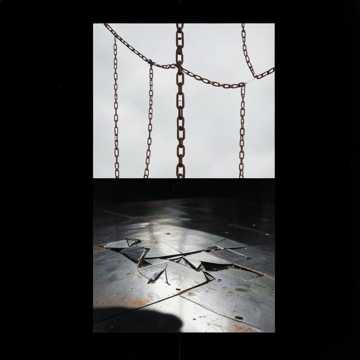
Springbonnie Pursuit
A dark, high-impact instrumental chase cue that transforms mechanical dread into cinematic pursuit. Ticking percussion, metal scrapes, snarling synths, panic stabs, chain textures, distorted brass, and crushing sub drops create a tense fight sequence built for horror, action, survival gameplay, and dramatic villain encounters.
03:18
Invalid date
Industrial Horror: Definition, History, and Sonic Characteristics
Industrial Horror is a dark, cinematic music style that combines the mechanical rhythms, metallic percussion, electronic noise, and dystopian textures of industrial music with the tension, dread, and unsettling atmosphere of horror soundtracks. Industrial Horror music often uses distorted synthesizers, factory-like impacts, low-frequency drones, dissonant harmonies, processed vocals, unstable rhythms, abrasive feedback, and found sounds such as machinery, alarms, chains, ventilation systems, and radio interference. Instead of relying only on a traditional melody, the genre creates fear through sonic space, repetition, physical impact, and gradual psychological pressure. Industrial Horror can appear as a standalone music genre, a soundtrack approach, or a production style used in film, television, games, trailers, and experimental media. The roots of Industrial Horror can be traced to the experimental and confrontational work of early industrial artists in the1970s, including Throbbing Gristle, Cabaret Voltaire, SPK, and Einsturzende Neubauten. These artists challenged conventional musical structures by incorporating tape manipulation, electronic noise, prepared instruments, field recordings, and non-musical objects. During the1980s and1990s, industrial rock, dark ambient, electro-industrial, and soundtrack composition brought these techniques to a wider audience. Artists such as Skinny Puppy, Coil, Nine Inch Nails, and Lustmord helped establish a vocabulary of dark electronics, oppressive sound design, ritualistic rhythm, and cinematic suspense. Horror cinema also played a major role in shaping Industrial Horror. The soundtracks of films such as Eraserhead, The Texas Chain Saw Massacre, Hellraiser, Tetsuo: The Iron Man, and The Blair Witch Project demonstrated how noise, drones, mechanical textures, and unresolved sound can create fear as effectively as orchestral scoring. In contemporary production, Industrial Horror frequently overlaps with dark ambient, harsh noise, power electronics, cinematic underscore, drone, cyberpunk music, and experimental electronic music. Its development has been supported by digital audio workstations, modular synthesizers, granular processing, convolution reverb, sample manipulation, and immersive spatial audio. Today, Industrial Horror is recognized for its ability to represent abandoned facilities, technological collapse, body horror, psychological instability, occult environments, dystopian cities, and unseen threats.
Industrial Horror Sub-tags and Classifications
Dark Industrial
Dark Industrial emphasizes heavy electronic rhythm, distorted percussion, aggressive synthesizer sequences, and bleak atmospheric layers. It often uses repeating patterns that feel mechanical or militaristic, creating an atmosphere associated with factories, surveillance systems, prisons, war zones, and dystopian cities. Dark Industrial may include elements of industrial rock, EBM, electro-industrial, and dark techno, but its defining quality is the combination of rhythmic drive with threatening, horror-oriented sound design.
Industrial Dark Ambient
Industrial Dark Ambient focuses on slow-moving drones, deep reverberation, environmental recordings, metallic resonance, and minimal harmonic movement. This classification is designed to create sustained unease rather than a conventional song structure. Industrial Dark Ambient is especially effective for abandoned buildings, underground tunnels, cosmic horror, psychological horror, and scenes in which danger is implied rather than directly shown. Long tones, distant impacts, low rumbles, and subtle changes in texture allow the listener to feel that the environment itself is unstable.
Harsh Industrial Noise
Harsh Industrial Noise uses intense distortion, feedback, clipped transients, static, high-frequency abrasion, and unpredictable bursts of sound. It is one of the most confrontational forms of Industrial Horror and can evoke panic, physical discomfort, machinery failure, torture environments, or sensory overload. Compositions in this category may avoid regular rhythm and melody almost entirely, using density, volume, and timbral violence as their primary expressive tools.
Power Electronics Horror
Power Electronics Horror combines stark electronic pulses, extreme noise, shouted or heavily processed vocals, and themes of violence, control, isolation, and social collapse. The music is often intentionally claustrophobic and confrontational. Its vocal presentation may resemble distorted announcements, threats, distress signals, or fragmented monologues, making it useful for psychological horror, transgressive performance art, and narratives involving institutional or technological abuse.
Mechanical Horror
Mechanical Horror centers on the sounds and rhythms of machines. It may feature piston-like beats, conveyor-belt repetition, metallic strikes, hydraulic movements, alarms, gears, and industrial field recordings. The music creates fear by turning familiar infrastructure into something hostile or autonomous. Mechanical Horror is strongly associated with factories, laboratories, elevators, mines, spacecraft, robots, artificial intelligence, and malfunctioning equipment.
Cinematic Industrial Horror
Cinematic Industrial Horror is composed specifically to support visual storytelling. It combines industrial sound design with clear dramatic development, such as a quiet introduction, escalating rhythmic pressure, a reveal, and a climactic impact. This classification may incorporate orchestral strings, sub-bass, hybrid percussion, reversed sounds, vocal textures, and carefully timed transitions. It is common in horror trailers, film scores, television series, game cinematics, and promotional videos.
Ritual Industrial
Ritual Industrial uses repetitive percussion, chanting, drones, bells, breathing, resonant metal, and ceremonial structures to create an occult or supernatural atmosphere. The repetition can feel hypnotic and processional, suggesting forbidden ceremonies, secret societies, ancient forces, or altered states of consciousness. Ritual Industrial often overlaps with dark ambient, tribal industrial, neofolk, and experimental electronic music.
Body Horror Industrial
Body Horror Industrial uses wet or organic sound effects, distorted breathing, granular vocal processing, unstable bass movement, and exaggerated physical textures. The music is intended to make the listener think about mutation, infection, surgery, machinery merging with flesh, or the loss of bodily control. Producers may process recordings of scraping, tearing, pulsing, or liquid movement so that the sounds remain suggestive without becoming literal.
Cyberpunk Horror
Cyberpunk Horror combines industrial beats and dystopian electronic production with themes of surveillance, artificial intelligence, digital identity, corporate control, network collapse, and cybernetic transformation. It often uses sequenced bass lines, distorted data-like glitches, synthetic alarms, vocoder textures, and aggressive drum programming. This form of Industrial Horror is particularly suitable for futuristic games, science-fiction horror, hacking scenes, and stories set in technologically controlled societies.
Minimalist Industrial Suspense
Minimalist Industrial Suspense relies on a small number of carefully selected sounds, such as a repeating pulse, distant electrical hum, isolated metallic hit, or slowly changing drone. Its power comes from restraint and expectation. By leaving large areas of silence and introducing minor variations over time, this classification creates anticipation and makes a sudden impact or sonic change more effective.
Famous Industrial Horror Artists and Related Works
Lustmord
Lustmord, the project of Brian Williams, is one of the most influential names in dark ambient and atmospheric Industrial Horror. Albums such as Heresy and The Place Where the Black Stars Hang use subterranean drones, ritualistic resonance, distant impacts, and immense low-frequency spaces to create a sense of cosmic dread. Lustmord's contribution lies in treating sound design and spatial depth as the main compositional material, demonstrating how a nearly beatless work can still feel physically threatening and cinematic.
Lustmord - Heresy
Heresy is a landmark dark ambient recording that helped establish the deep, subterranean side of Industrial Horror. Its slow drones, cavernous reverberation, low-frequency pressure, and distant metallic or ritual-like sounds create an environment that feels larger than the listener. The work is innovative because it replaces conventional musical movement with spatial transformation: changes in density, distance, and resonance become the main events. It is an important reference for horror composers creating cosmic, occult, or underground atmospheres.
Coil
Coil developed a highly experimental approach to industrial, electronic, and esoteric music. Works such as Unreleased Themes for Hellraiser and the album The Ape of Naples demonstrate their ability to combine ritual atmosphere, damaged electronics, spectral voices, repetition, and surreal sound processing. Coil's influence on Industrial Horror comes from their use of ambiguity: sounds often feel simultaneously beautiful, ceremonial, intimate, and disturbing.
Throbbing Gristle -20 Jazz Funk Greats
Despite its deliberately misleading title,20 Jazz Funk Greats contains unsettling combinations of repetition, electronic experimentation, tape manipulation, and emotionally detached performance. Its importance to Industrial Horror lies in its destabilization of genre expectations. Familiar rhythmic or pop-like gestures are placed beside abrasive noise and uncomfortable atmosphere, creating a sense that ordinary musical language has become unreliable.
Nine Inch Nails
Nine Inch Nails, led by Trent Reznor, brought industrial music to a broad audience through dense production, distorted guitars, aggressive programmed drums, and emotionally exposed vocals. Albums such as The Downward Spiral and The Fragile contain many textures associated with Industrial Horror, including machinery-like percussion, digital distortion, feedback, noise transitions, and psychological tension. Reznor's later soundtrack work, often created with Atticus Ross, further connected industrial production techniques with cinematic suspense and modern horror scoring.
Coil - Unreleased Themes for Hellraiser
Coil's proposed and surviving material for Hellraiser is widely discussed as a significant intersection of experimental industrial music and horror cinema. The sound world associated with the project uses ritualistic electronics, spectral vocal textures, eerie repetition, and unusual timbres. Its lasting influence comes from treating a horror film score as an autonomous sonic environment rather than simply an accompaniment to visible action. The music suggests hidden dimensions, altered perception, and supernatural systems that operate beyond human understanding.
Skinny Puppy
Skinny Puppy helped define electro-industrial through layered sampling, abrasive synthesizers, distorted vocals, horror imagery, and complex programmed rhythms. Albums such as Too Dark Park and Last Rights demonstrate how industrial dance structures can coexist with disturbing sound design and theatrical vocal performances. Their work influenced the development of dark electronic music, cyberpunk horror aesthetics, and soundtrack-oriented Industrial Horror.
Nine Inch Nails - The Downward Spiral
The Downward Spiral combines industrial rock structure with abrasive editing, distorted drums, feedback, synthesizer noise, and psychological narrative. Tracks such as 'Mr. Self Destruct,' 'The Becoming,' and 'Reptile' use production itself to represent fragmentation and loss of control. The album is relevant to Industrial Horror because its sonic innovations include abrupt transitions, damaged textures, extreme contrast, and the integration of noise into emotionally direct songwriting.
Throbbing Gristle
Throbbing Gristle were foundational figures in experimental industrial music. Their use of tape loops, uncomfortable repetition, confrontational performance, electronic noise, and documentary-style recordings established many of the techniques later associated with Industrial Horror. Their work showed that music could create fear and social discomfort through texture, context, and psychological suggestion rather than conventional melodic suspense.
Skinny Puppy - Too Dark Park
Too Dark Park is a major electro-industrial work built from dense sampling, unusual programmed rhythms, distorted vocal processing, and horror-oriented atmosphere. The album creates a world of biological anxiety, technological decay, and urban paranoia. Its innovation is the way it makes complex electronic production feel both danceable and grotesque, proving that rhythmic energy can intensify rather than reduce a sense of fear.
Einsturzende Neubauten
Einsturzende Neubauten expanded industrial music by using scrap metal, construction materials, tools, custom percussion, and improvised mechanical instruments. Their performances and recordings transformed the sounds of demolition and urban infrastructure into musical structures. This approach is central to Mechanical Horror because it makes buildings, machines, and industrial environments feel alive, unstable, and potentially dangerous.
Einsturzende Neubauten - Halber Mensch
Halber Mensch demonstrates how metal, found objects, custom percussion, shouted vocals, and industrial space can be organized into powerful musical forms. The work's physical sound is central to its effect: impacts feel like construction, collapse, or ritualized labor. It remains an important reference for Mechanical Horror and performance-based Industrial Horror because it expands the definition of an instrument to include the entire built environment.
SPK
SPK explored the intersection of industrial noise, experimental electronics, medical imagery, and institutional unease. Their early recordings use harsh textures, repetitive patterns, and disturbing sonic environments that anticipate later forms of Industrial Horror and power electronics. Their work is especially relevant to themes of hospitals, technology, psychological control, and the dehumanizing effects of industrial systems.
Akira Yamaoka - Silent Hill2 Original Soundtracks
The Silent Hill2 soundtrack blends industrial rock, melancholy melody, noise, environmental ambience, and unstable textures. Its horror does not come only from loud effects; it also emerges from contrast between vulnerable melodic passages and sudden abrasive or mechanical sounds. The soundtrack is innovative in its integration with interactive exploration, where music, radio interference, monster cues, and environmental sound collectively create uncertainty about what is nearby.
Ben Frost
Ben Frost combines minimalist composition, processed guitars, synthesizers, sub-bass, noise, and extreme dynamic contrast. Albums such as By the Throat and soundtrack projects including Dark use sound as a source of physical tension and environmental threat. Frost's contribution to contemporary Industrial Horror is his ability to move from near silence to overwhelming impact while preserving a strong cinematic sense of pacing.
Trent Reznor and Atticus Ross - Gone Girl
The Gone Girl score uses processed instruments, restrained electronic pulses, low-frequency movement, and subtly dissonant textures to create psychological discomfort. Instead of announcing danger with obvious horror cues, it makes ordinary environments feel emotionally unstable. The score illustrates how Industrial Horror production can be applied to crime, thriller, and psychological drama, particularly when the threat is social or internal rather than supernatural.
Trent Reznor and Atticus Ross
Trent Reznor and Atticus Ross have played a major role in bringing industrially influenced electronic scoring into mainstream film and television. Their scores for The Social Network, Gone Girl, Watchmen, and other projects frequently use processed piano, sub-bass, modular electronics, noise, sparse percussion, and unresolved harmonic material. Their work demonstrates how Industrial Horror techniques can support psychological tension even when the story is not a traditional supernatural horror narrative.
Ben Frost - By the Throat
By the Throat combines crushing low end, distorted electronics, processed acoustic instruments, abrupt dynamic shifts, and cinematic space. The album frequently feels physical, as though the listener is inside a hostile landscape or being pursued through an unstable environment. Its innovation lies in the balance between carefully controlled composition and overwhelming sound pressure, making it a useful model for modern cinematic Industrial Horror.
Akira Yamaoka
Akira Yamaoka is closely associated with the sound of the Silent Hill game series. His music combines industrial rock, dark ambient, noise, detuned guitar, metallic percussion, and environmental sound to represent psychological trauma and decaying spaces. Yamaoka's contribution is particularly important to game music because he integrates music with fog, machinery, radio static, monster encounters, and environmental transitions, making Industrial Horror part of the playable world.
Mica Levi
Mica Levi's score for Under the Skin uses unstable strings, unusual tuning, abrupt gestures, repetition, and stark electronic atmosphere to produce alienation and dread. Although not strictly industrial, the score is relevant to Industrial Horror because it treats timbre, physical friction, and disorientation as narrative devices. Levi's approach demonstrates how sparse, unconventional instrumentation can create horror without relying on traditional genre clichés.
Industrial Horror Music Application Scenarios
Industrial Horror music is highly effective in horror films set in abandoned factories, hospitals, laboratories, prisons, mines, tunnels, and contaminated facilities. Low drones can establish an oppressive environment, while metallic impacts and distorted machinery can synchronize with doors, elevators, surgical equipment, or structural failures. A carefully arranged Industrial Horror soundtrack can also conceal musical cues inside the environment, making it difficult for the audience to distinguish the score from the world of the film.
Horror Movie Soundtracks
In psychological horror, Industrial Horror can represent anxiety, obsession, insomnia, paranoia, memory loss, or emotional breakdown. Minimal pulses, unstable tuning, processed breathing, and gradually changing noise can intensify a scene without overwhelming dialogue. The music is especially useful when the main threat is uncertain or when filmmakers want the audience to question whether a disturbing sound is real, imagined, or symbolic.
Psychological Horror and Thriller Scoring
Industrial Horror is widely suited to survival horror, science-fiction horror, cyberpunk, stealth, and post-apocalyptic games. It can provide exploration ambience for ruined facilities, rhythmic tension during combat, and reactive layers for alarms, enemy proximity, or environmental hazards. In an interactive game, separate stems can be added as the player enters restricted areas, activates machinery, loses health, or approaches a boss encounter, allowing the music to evolve in response to gameplay.
Video Game Background Music
Slow Industrial Horror drones and sparse mechanical details can establish a game's identity before play begins. Menu music may use a repeating signal, distant impact, or degraded broadcast to suggest the setting and create anticipation. For cinematics, a cinematic Industrial Horror arrangement can combine sub-bass, hybrid percussion, strings, electronic distortion, and precisely timed impacts to support reveals, transformations, escapes, and system failures.
Game Menus, Loading Screens, and Cinematics
Trailer editors use Industrial Horror music because its dynamics support strong promotional structure. A quiet drone can create space for dialogue and narrative setup, while pulses can increase with each edit. Distorted risers, mechanical hits, sub drops, reverse effects, and abrupt silences can emphasize title cards, monster reveals, action cuts, and final shock moments. Industrial Horror trailer music is especially suitable for dystopian, alien, technological, and body-horror projects.
Horror and Science-Fiction Trailers
A restrained form of Industrial Horror can be used in advertisements for cybersecurity, surveillance systems, industrial equipment, robotics, security services, and futuristic software. In this context, the music should usually emphasize precision, scale, and controlled power rather than pure fear. Clean pulses, digital glitches, metallic percussion, and low electronic textures can communicate advanced technology, high stakes, and the possibility of hidden threats.
Advertising for Technology and Security Products
Industrial Horror music can transform a physical venue by making machinery, corridors, warning lights, and locked doors feel narratively important. Directional speakers can place whispers, alarms, and distant impacts around visitors, while low-frequency vibration can increase physical tension. Music should be synchronized with set changes, timed locks, actor entrances, and puzzle stages so that the environment develops a coherent story.
Escape Rooms and Immersive Horror Attractions
Industrial Horror works well in stage productions about authoritarian systems, technological dependence, war, surveillance, or social collapse. Repetitive rhythms can suggest institutional routine, while noisy transitions can represent breakdown or rebellion. Because the genre can function without a strong melodic center, it leaves room for spoken word, movement, projected visuals, and physical performance.
Dystopian Theater and Performance Art
Audio-only productions can use Industrial Horror to imply location and danger without visual support. Radio static, degraded announcements, distant generators, electrical hum, and slowly evolving drones can establish laboratories, spacecraft, underground shelters, or contaminated cities. Short industrial motifs can also identify recurring characters, organizations, machines, or supernatural phenomena.
Podcasts, Audio Dramas, and Fictional Broadcasts
Industrial Horror can support visual campaigns involving avant-garde fashion, protective equipment, architectural spaces, experimental design, and alternative culture. A controlled combination of metallic percussion, distorted bass, and abstract electronic texture can create a severe and memorable identity. For commercial use, the arrangement should be carefully mixed so that the music adds tension and distinction without obscuring the product or brand message.
Dark Fashion, Product Films, and Visual Branding
Industrial Horror provides a flexible audio foundation for haunted attractions and Halloween installations. Different zones can use different classifications: Mechanical Horror for factories, Ritual Industrial for occult rooms, Body Horror Industrial for laboratories, and Cyberpunk Horror for digital or futuristic areas. Layered loops, localized sound effects, and timed musical events can make each section feel distinct while maintaining a unified Industrial Horror atmosphere.
Theme Parks, Haunted Houses, and Seasonal Events
Independent filmmakers often use Industrial Horror because it can create a strong sense of scale with relatively limited musical resources. A few carefully designed drones, field recordings, percussive impacts, and processed instruments can suggest an entire world. This is particularly useful for films about isolation, environmental collapse, urban decay, mutation, memory, and the relationship between humans and machines.
Short Films and Independent Experimental Media