
Free Kanun Music Generator Powered by AI
Turn text into high-quality Kanun music effortlessly – no login required!

music.toolTips

Никому, никогда_2
Романтическая баллада о любви, которая становится домом, опорой и тихой верой. Лирический герой обещает навсегда оставаться рядом с избранницей, используя образы Арарата, граната, хачкара, лозы и абрикосового рассвета. Музыка усиливает ощущение нежности, защищённости, надежды и глубокой преданности.
03:39
1 days ago

Никому, никогда_2
Песня о любви как о доме, верности и спасительном причале. Лирический герой ощущает в объятиях избранницы покой и уверенность, а образы Арарата, граната, хачкара и абрикосового рассвета превращают личное признание в светлый символ вечной близости.
03:32
1 days ago

Никому, никогда
Романтическая баллада о любви как доме, опоре и неизменной верности. Герои обещают не отдавать друг друга никому, а образы Арарата, граната, хачкара и абрикосового рассвета соединяют личное признание с мягкой армянской культурной символикой.
03:43
1 days ago

boşa sevmişim-byrm
Boşa Sevmişim-byrm, boşa harcanmış yılların ve yıkılan hayallerin yasını tutar. Orta tempolu arabesk, makam süslemeleri ve1970–80'leri anımsatan sıcak düzenlemeyle yükselen nakarata taşınır; uzun vokal uzatmaları acıyı derinleştirir. Gece dinlemelerine ve ayrılık temalı çalma listelerine eşlik eder.
04:27
1 days ago

boşa sevmişim-byrm
Boşa Sevmişim, karşılıksız sevginin, güven kaybının ve yıkılan hayallerin ardından gelen derin pişmanlığı anlatır. Olgun ve hafif buğulu kadın vokali, arabesk duyguyu klasik Türk musikisi süslemeleriyle taşırken darbuka, kanun, ud, keman ve yaylılar şarkıya nostaljik, canlı ve zarif bir atmosfer kazandırır.
03:52
1 days ago
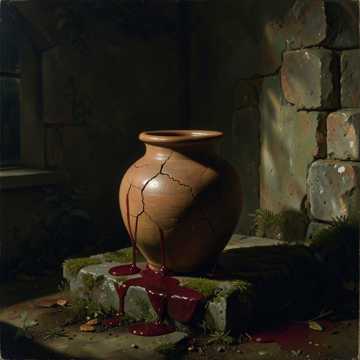
PaulAD-Багряная кровь
Песня раскрывает трагедию армян, греков и ассирийцев через образы депортаций, казней и народного молчания. Скорбная баллада чтит погибших, осуждает преступников, вспоминает спасителей и утверждает: память, словно багряная кровь, не должна исчезнуть.
05:44
2 days ago

PaulAD-Багряная кровь
Песнь посвящена памяти жертв геноцида армян, а также греков и ассирийцев. Через образы изгнания, крови, молчания и спасения она превращает историческую трагедию в музыкальный обет: помнить погибших, чтить праведников и не позволить миру забыть.
05:12
2 days ago

Багряная кровь
Песня посвящена памяти жертв геноцида армян, греков и ассирийцев. Через образы депортаций, крови, молчания и человеческого сострадания она превращает историческую трагедию в скорбный призыв к памяти, справедливости и надежде.
04:44
3 days ago

Saki
Saki, terk edilmiş bir adamın meyhanede sâkiye seslenerek aşkın ardından yaşadığı öfke, özlem ve çaresizliği anlattığı yoğun bir ağıttır. Derin bariton anlatım; hicaz, hüzzam, klarnet, ud, kanun ve yaylılarla ağır, geleneksel ve sinematik bir hüzne dönüşür.
04:18
3 days ago

ترکی
Eser, dünyanın yorgunluğu ve yalnızlığı içinden Allah'a sığınan bir kalbin yakarışını anlatır. Hüzünlü dizeler, merhamet ve umut arayışını işlerken; coşkulu nakarat, ilahi sevgiyle yeniden doğan huzuru ve teslimiyeti taşır.
04:18
4 days ago

111122
Şarkı, sevdiğini kaybetmenin ardından yaşanan derin yalnızlığı ve geçmişte kalan güzel günlerin özleminianlatıyor. Ay ve güneş imgeleri, aşkın hem aydınlık hem de acı veren yönlerinisimgeliyor. Melankolik vokaller, bağlama, keman ve orkestra eşliğinde unutulmaz bir veda duygusu yaratıyor.
04:32
6 days ago
Introduction to Kanun: Definition, Origins, and History
The Kanun is a traditional Middle Eastern string instrument, widely recognized as a cornerstone of Arabic, Turkish, Armenian, Persian, and Greek music traditions. Classified as a type of zither, the Kanun is trapezoidal in shape and typically consists of 72 to 81 strings stretched over a wooden frame. Its name derives from the Arabic word 'qānūn,' meaning 'rule' or 'law,' reflecting its historical role in establishing the tonal framework of classical Middle Eastern music. The origins of the Kanun can be traced back to ancient Assyrian and Egyptian civilizations, with its design evolving significantly during the Abbasid Caliphate. Over centuries, it became an essential instrument in Ottoman court music and spread across the Mediterranean region, blending into diverse musical cultures. Today, the Kanun continues to serve as both a solo and ensemble instrument, admired for its shimmering sound, microtonal capabilities, and versatility in traditional and contemporary compositions.
Sub-tags and Classifications of Kanun
Turkish Kanun
The Turkish Kanun is distinguished by its refinedKanun music content tuning system and use of mandals (small levers) that allow performers to achieve microtonal adjustments. It plays a central role in Ottoman classical music and Turkish folk traditions, producing a bright, delicate tone suited for both solo improvisations (taksim) and orchestral ensembles.
Arabic Kanun
The Arabic Kanun is slightly larger than the Turkish version and features a warmer, more resonant sound. It is essential in Arabic maqam music, where its ability to produce intricate ornamentations and quarter tones allows musicians to fully express the depth and richness of Middle Eastern scales.
Armenian Kanun
The Armenian Kanun integrates regional folk influences with classical styles. While similar in structure to the Turkish instrument, its repertoire often reflects Armenian modes and folk melodies, blending emotional intensity with technical mastery.
Persian Kanun
Less common but culturally significant, the Persian Kanun adapts to the Dastgah modal system of Persian classical music. It emphasizes subtle ornamentation and modal improvisation, aligning with the delicate and contemplative aesthetics of Persian music.
Greek Kanonaki
The Greek version, known as the Kanonaki, became a staple in Byzantine and rebetiko music. It shares structural similarities with other variants but incorporates Greek musical scales and modes, highlighting the cross-cultural adaptability of the Kanun.
Famous Artists and Works Related to Kanun
Göksel Baktagir
A contemporary Turkish Kanun virtuoso, Göksel Baktagir is celebrated for his innovative compositions and improvisations that blend classical Ottoman music with modern jazz and world music elements. His works highlight the adaptability of the Kanun in cross-genre experimentation.
Kanun Improvisations (Taksim) by Göksel Baktagir
These improvisations demonstrate the technical and expressive potential of the Kanun. Baktagir’s use of microtonal ornamentation and rhythmic variation highlights the delicate balance between tradition and innovation in Turkish music.
Marcel Khalife
A renowned Lebanese composer and oud player, Marcel Khalife frequently incorporated the Kanun into his ensemble works. His compositions elevate the instrument's lyrical qualities and showcase its integral role in Arabic orchestration.
‘Al Mayadine’ by Marcel Khalife
This iconic piece features the Kanun as a central melodic instrument, weaving through rich orchestration. The composition illustrates how the Kanun can articulate both melancholic and uplifting moods in Arabic music.
Khachatur Avetisyan
An Armenian composer who significantly contributed to modernizing Armenian folk and classical music, Avetisyan often used the Kanun to highlight the unique modal character of Armenian traditions in orchestral settings.
Armenian Folk Suite for Kanun
This work exemplifies the Armenian approach to Kanun playing, incorporating folk motifs, rhythmic complexity, and emotional depth. It highlights the instrument's ability to connect national identity with classical form.
Simon Shaheen
A Palestinian-American musician known for his mastery of both the oud and the violin, Simon Shaheen has collaborated extensively with Kanun players, integrating its sound into global music projects and film scores.
Film Scores by Simon Shaheen
In his soundtrack contributions, Shaheen integrates the Kanun to provide authentic Middle Eastern textures. Its use in cinema underscores the instrument’s ability to evoke cultural atmosphere and emotional resonance.
Application Scenarios of Kanun Music
The Kanun is frequently used in film scores to create an authentic Middle Eastern or Mediterranean atmosphere. Its shimmering sound adds cultural depth, often used in historical films, documentaries, and dramas that require an evocative and traditional soundscape.
Movie Soundtracks
Brands seeking to highlight cultural richness, heritage, or exotic aesthetics often use Kanun music in advertisements. Its distinctive timbre conveys sophistication, authenticity, and emotional warmth.
Advertising and Commercials
In gaming, the Kanun provides immersive background music, especially in titles set in ancient civilizations, fantasy worlds, or Middle Eastern-inspired landscapes. Its tonal richness enhances player engagement and world-building.
Video Games
The Kanun is widely featured in cultural festivals, world music concerts, and fusion performances. Its versatility allows it to blend seamlessly with traditional ensembles as well as modern electronic and jazz groups.
Live Performances and Festivals
The soothing tones of the Kanun are increasingly used in meditation, yoga, and relaxation music. Its calming qualities help listeners experience tranquility and cultural immersion simultaneously.
Therapeutic and Relaxation Music