
Free Mexican folk Music Generator Powered by AI
Turn text into high-quality Mexican folk music effortlessly – no login required!

music.toolTips

Pancho y Paulita Puente
Corrido norteño alegre y emotivo que narra la historia de Francisco Tienda y Paulita Puente: un amor de infancia convertido en matrimonio, atravesado por la pérdida, la separación y los años, pero sostenido por un vínculo que nunca muere.
02:33
1 days ago
EL CORRIDO DE GONZALO
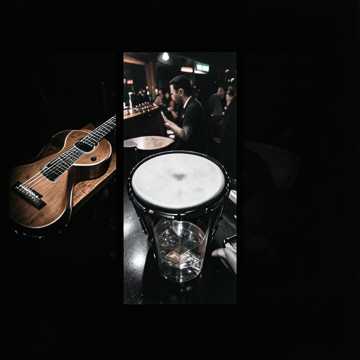
Corrido sierreño irreverente y explícito que narra, con humor negro y doble sentido, las desventuras de Gonzalo tras una lesión íntima. La interpretación rasposa, el requinto, las guitarras de doce cuerdas y el coro colectivo convierten la historia en una parodia cantinera, provocadora y memorable.
01:33
2 days ago
Refugio de Jalisco
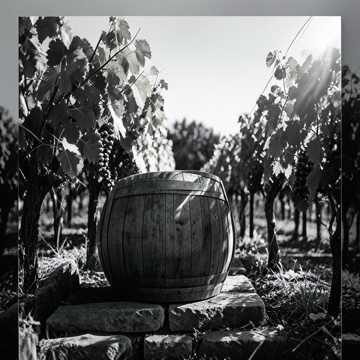
El corrido narra el viaje de Refugio desde Guadalajara hasta Napa: empieza como jornalero, progresa con disciplina y funda una bodega reconocida. La canción celebra su fe, honor, raíces jaliscienses, apoyo a su comunidad y el legado familiar construido mediante trabajo perseverante y dignidad.
04:13
4 days ago

Chuy Hernández
Corrido ranchero sobre Chuy Hernández, quien en1983 deja Guadalajara con una vieja maleta y grandes ilusiones. Su tono íntimo y narrativo evoca despedida, esperanza, identidad mexicana y el inicio de un viaje marcado por la memoria.
02:31
Invalid date
Meksiko u srcu
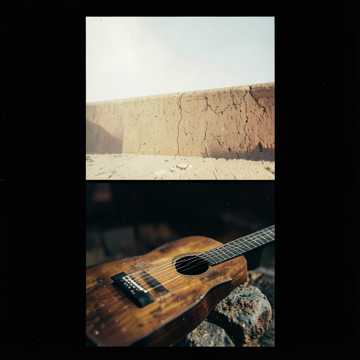
Pjesma govori o čovjeku koji napušta Meksiko i Huanitu kako bi se vratio domovini. Iako odlazi u daleki svijet, Meksiko ostaje u njegovu srcu kao najljepša zemlja, dok razigrani uzvici unose vedrinu u oproštaj.
02:50
Invalid date
Introduction to Mexican Folk Music
Mexican folk music, or música folklórica mexicana, encompasses a diverse range of traditional music styles that have developed in Mexico over centuries. It is a reflection of the country's rich cultural heritage, influenced by indigenous, Spanish, African, and other cultural elements. The history of Mexican folk music dates back to the pre-Columbian era, where indigenous music was an integral part of religious and social ceremonies. With the arrival of the Spanish in the 16th century, new instruments and musical forms were introduced, leading to the creation of unique hybrids that form the basis of many contemporary Mexican folk styles.
Sub-tags and Classifications of Mexican Folk Music
Son
Son is a broad category that includes regional variations such as Son Jarocho, Son Huasteco, and Son Jalisciense. Each type of son has its unique rhythms, instruments, and lyrical themes, often reflecting the local culture and traditions.
Ranchera
Ranchera music emerged in the 19th century and is characterized by its passionate lyrics and mariachi accompaniment. It typically features themes of love, patriotism, and nature, and has become a symbol of Mexican identity.
Mariachi
Mariachi music is perhaps the most internationally recognized form of Mexican folk music. Originating in the state of Jalisco, it incorporates a variety of instruments including violins, trumpets, and guitars, and often features elaborate costumes and vocal harmonies.
Norteño
Norteño music, also known as música norteña, originates from Northern Mexico and is influenced by polka and corrido styles. It is known for its use of the accordion and bajo sexto, and its lyrics often tell stories of life, love, and social issues.
Banda
Banda music is a brass-based style that originated in the state of Sinaloa. It incorporates a range of brass instruments such as trumpets, trombones, and tubas, and is known for its lively, danceable rhythms.
Famous Artists and Works in Mexican Folk Music
Vicente Fernández
Vicente Fernández, known as 'El Rey de la Música Ranchera,' has made significant contributions to Mexican folk music with his powerful voice and emotional performances. His hits include 'Volver, Volver' and 'El Rey,' which have become classics in the ranchera genre.
La Bamba
Originally a traditional Son Jarocho song from Veracruz, 'La Bamba' gained international fame through Ritchie Valens' rock and roll version in the late 1950s. The song's lively rhythm and simple, yet catchy lyrics have made it a timeless classic.
Lola Beltrán
Lola Beltrán, often referred to as 'La Grande,' is a legendary figure in ranchera music. Her rendition of 'Cucurrucucú Paloma' and other traditional songs have cemented her legacy as one of Mexico's greatest singers.
Cielito Lindo
'Cielito Lindo' is one of the most famous Mexican folk songs, known for its cheerful melody and the iconic 'ay, ay, ay, ay' chorus. It has been performed by countless artists and remains a staple of mariachi music.
Los Lobos
Although based in the United States, Los Lobos have played a crucial role in popularizing Mexican folk music internationally. Their blend of rock and traditional Mexican sounds is evident in their iconic album 'La Pistola y El Corazón.'
El Jarabe Tapatío
Often referred to as the 'Mexican Hat Dance,' 'El Jarabe Tapatío' is a traditional mariachi song that symbolizes Mexican folk dance. Its upbeat tempo and celebratory nature make it a popular choice at cultural festivals and events.
Application Scenarios for Mexican Folk Music
Mexican folk music is frequently used in movie soundtracks to evoke a sense of place and cultural authenticity. Films like 'Coco' and 'Frida' feature traditional Mexican songs to enhance their storytelling and emotional impact.
Movie Soundtracks
Brands often use Mexican folk music in advertisements to create a vibrant and culturally resonant atmosphere. The lively and upbeat rhythms of mariachi or banda can attract attention and evoke positive associations.
Advertising Music
Video games set in Mexico or featuring Mexican themes often incorporate folk music into their soundtracks. This adds depth to the gaming experience, providing players with an immersive cultural context.
Game Background Music
Mexican folk music is a staple at cultural festivals and celebrations, such as Día de los Muertos and Mexican Independence Day. The music helps to foster a sense of community and cultural pride.
Cultural Festivals