Free Mridang Music Generator Powered by AI
Turn text into high-quality Mridang music effortlessly – no login required!

music.toolTips
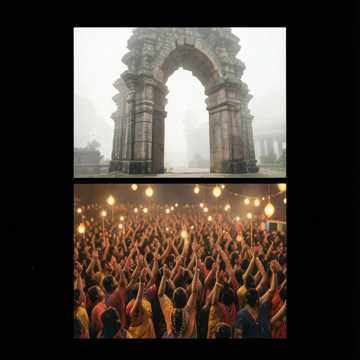
गजर विठ्ठल नामाचा
हे गीत संसारातील दुःख, एकटेपणा आणि थकवा विठ्ठलाच्या चरणी अर्पण करणाऱ्या भक्ताची आर्त विनवणी मांडते. मुख्य गायक आणि भक्तांचा प्रश्नोत्तर संवाद, वारकरी गजर, टाळ-मृदंगाचा ठेका आणि सामूहिक जयघोष यांमधून श्रद्धा, समर्पण आणि सामुदायिक आनंदाचा उत्कर्ष साधला आहे.
05:55
4 days ago
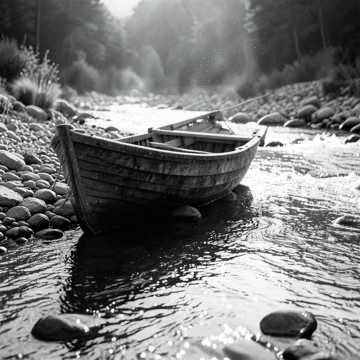
माझ्या श्वासात विठ्ठलाचे नाव
हे भावपूर्ण विठ्ठलभजन भक्ताच्या प्रत्येक श्वासात, ध्यासात आणि जीवनात पांडुरंगाचे नाम वसावे, अशी मनोमन प्रार्थना व्यक्त करते. पंढरपूरची वारी, समतेचा संदेश, दुःखातील आधार, सेवाभाव आणि अंतिम क्षणी विठ्ठलचरणी विसावण्याची उत्कट आस यांतून गीताची आध्यात्मिक अनुभूती खुलते.
07:22
5 days ago
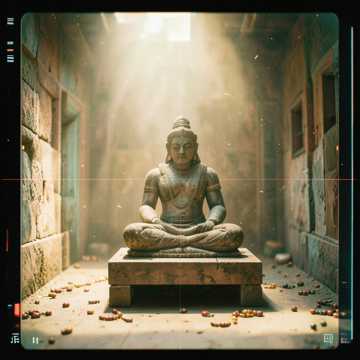
पंढरीच्या वाटेवर विठ्ठल भेटला
हे गीत पंढरीच्या वारीत विठ्ठलाच्या दर्शनाने उमललेल्या भक्तिभावाचे चित्रण करते. चंद्रभागा, टाळ-मृदंग, रखुमाई आणि वारकरी परंपरेच्या संदर्भातून भक्ताचे संपूर्ण जीवन विठ्ठलाच्या चरणी अर्पण करण्याची प्रेमळ, शांत आणि उत्कट भावना व्यक्त होते.
07:22
5 days ago
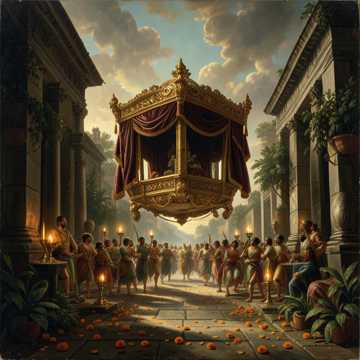
गजर झाला पंढरीत, विठ्ठल आला
हे गीत पंढरपूरच्या वारीतील विठ्ठलभक्ती, पालखी सोहळा, चंद्रभागेचा उत्सव आणि सामूहिक नामगजर यांचे चित्रण करते. टाळ, मृदंग, ढोलकी आणि जोशपूर्ण वारकरी कोरसातून प्रेम, समता, आशा, श्रद्धा आणि आनंदाचा भव्य उत्सव साकारतो.
05:33
5 days ago

माझी नाव विठ्ठलाच्या हाती
हे गीत जीवनरूपी नाव विठ्ठलाच्या हाती सोपवलेल्या भक्ताची भावयात्रा आहे. संकटे, एकटेपणा आणि अनिश्चिततेत विठ्ठल नाम विश्वास, धैर्य आणि आशा जागवते. वारकरी संस्कृती, चंद्रभागा आणि पंढरीच्या प्रतिमांतून समता, माणुसकी आणि आध्यात्मिक समर्पण व्यक्त होते.
07:10
5 days ago
विठ्ठल, तुझ्या दर्शनाची आस लागली
हे भजन विठ्ठलाच्या दर्शनाची आस, पंढरीची ओढ आणि वारकरी भक्तीचा आध्यात्मिक प्रवास व्यक्त करते. चंद्रभागा, मंदिरघंटा, पालखी आणि नामस्मरणाच्या प्रतिमांतून भक्ताचे संपूर्ण जीवन विठ्ठलाच्या चरणी अर्पण होते.
07:19
5 days ago
माझ्या विठ्ठलाने हात धरला
हे गीत अडचणींच्या काळात विठ्ठलाने दिलेल्या आधाराची आणि माऊलीच्या प्रेमाची कथा सांगते. पंढरीची वारी, चंद्रभागा, नामस्मरण आणि वारकरी भक्तीच्या माध्यमातून दुःखाचे रूपांतर आशा, सेवा, समर्पण आणि अंतःशांतीत होते.
07:22
5 days ago
पंढरीच्या वाटेवर माझं मन हरवलं
हे भजन संसारातील दुःख, भीती आणि एकाकीपणातून विठ्ठलाच्या चरणी मिळणाऱ्या आधाराचा भावस्पर्शी प्रवास मांडते. पंढरीची वारी, चंद्रभागा, वारकऱ्यांचा गजर आणि माऊलीवरील समर्पण यांमधून भक्ती, क्षमा, प्रेम आणि अंतिम शरणागतीची अनुभूती उलगडते.
06:21
5 days ago

विठ्ठल नामाचा गजर, मनाला लाभला साज!
हा अभंग विठ्ठलाच्या नामस्मरणातून भक्ती, समर्पण आणि अंतःशांतीचा अनुभव देतो. चंद्रभागेच्या तीरापासून गावोगावी उठणाऱ्या नामगजरापर्यंत, भक्ताचे मन पांडुरंगाच्या चरणी विलीन होते आणि दुःखाऐवजी आनंद फुलतो.
03:58
6 days ago
Mridang: Definition, History, and Musical Significance
Mridang is a traditional Indian percussion instrument and a broad term associated with barrel-shaped drums used in South Asian classical, devotional, folk, and contemporary music. In Carnatic music, the most common related instrument is the mridangam, a double-headed drum that provides rhythmic structure, tonal support, and improvisational dialogue. The name is often connected with the Sanskrit terms mritt, meaning earth or clay, and anga, meaning body, reflecting the instrument's early association with clay-bodied drums. Historical references to barrel drums appear in ancient Indian art, temple sculpture, literature, and performance traditions. Over time, the mridang developed from earlier two-headed drums into a carefully tuned concert instrument made from wood, animal hide, and layered tuning materials. In North Indian traditions, related barrel drums developed into instruments such as the pakhawaj, while South Indian musicians refined the mridangam for Carnatic music. Modern mridang construction generally uses a solid wooden shell, two differently sized drumheads, leather straps, tuning blocks, and a central black loading compound that helps create a deep, resonant pitch. Mridang playing is based on spoken rhythmic syllables, known as sollukattu or konnakol, which allow performers to organize complex patterns before playing them on the instrument. In a Carnatic ensemble, Mridang supports the vocalist or instrumentalist, reinforces tala, responds to melodic phrases, and becomes a central solo voice during the tani avartanam, or percussion solo. Because it combines bass resonance, sharp strokes, muted tones, and expressive rhythmic articulation, Mridang is regarded as both an accompaniment instrument and an independent form of musical expression.
Mridang Sub-Tags and Classifications
Carnatic Mridangam
Carnatic mridangam is the principal Mridang tradition of South Indian classical music. It accompanies vocal, veena, violin, flute, nadaswaram, and other Carnatic performances. The player maintains the tala cycle, highlights melodic cadences, supports the emotional character of a kriti, and interacts with the lead artist through rhythmic replies. Important playing techniques include open bass strokes, resonant right-hand strokes, muted finger patterns, cross-rhythms, and mathematically structured korvais. Carnatic Mridang is especially prominent in concerts featuring varnams, kritis, ragam-tanam-pallavi, and tani avartanam.
Pakhawaj-Related Mridang Tradition
The pakhawaj is a related North Indian barrel drum with a strong association with dhrupad, dhamar, temple music, and older percussion practices. Although pakhawaj and mridangam differ in construction, repertoire, tuning, and technique, both belong to the family of double-headed Indian barrel drums. Pakhawaj-based Mridang content emphasizes powerful bass resonance, broad strokes, long rhythmic phrases, and the traditional bol vocabulary used in Hindustani percussion. This classification is useful when discussing the historical relationship between southern mridangam and northern barrel-drum traditions.
Temple and Devotional Mridang
Temple and devotional Mridang refers to drum playing used in religious processions, bhajan gatherings, kirtan, ritual ensembles, and ceremonial performances. In these settings, the instrument may have a more repetitive and participatory role than in a formal concert. Mridang rhythms help establish collective movement, support devotional singing, and create a heightened ceremonial atmosphere. The performance style may use accessible repeating patterns, call-and-response phrases, and strong downbeats suited to group singing and procession.
Mridang Solo and Tani Avartanam
Mridang solo performance is most clearly represented by the tani avartanam in Carnatic concerts. During this section, the percussionist temporarily moves from accompaniment to featured improvisation. A typical tani avartanam may develop from a steady nadai or rhythmic subdivision into increasingly complex phrases, exchanges between percussionists, mora patterns, and a final korvai that resolves precisely with the main composition. This sub-tag highlights Mridang as a melodic-rhythmic art form rather than merely a timekeeping instrument.
Mridang Accompaniment
Mridang accompaniment is the foundational role of the instrument in Carnatic performance. The artist listens closely to the vocalist or instrumentalist and chooses strokes, density, volume, and phrase endings that complement the musical line. Effective accompaniment does not overwhelm the raga or lyrics; instead, it clarifies tala, emphasizes important syllables, mirrors melodic contours through rhythm, and creates tension and release. This classification includes concert accompaniment for kriti, alapana transitions, niraval, kalpana swara, and pallavi performance.
Mridangam Construction and Acoustics
This classification focuses on the physical design and sound production of the Mridang. A mridangam normally has a tapered wooden body with two heads: a larger bass head and a smaller treble head. The heads are joined and tensioned with leather, while tuning is adjusted through straps or wooden wedges. The black central loading material on the treble head contributes to a stable pitch and distinctive ringing tone. Wood selection, shell dimensions, hide preparation, head thickness, tuning, humidity, and playing position all influence the instrument's timbre and projection.
Modern and Fusion Mridang
Modern and fusion Mridang places the traditional instrument in jazz, world music, film music, electronic production, progressive rock, and cross-cultural ensemble settings. Producers may record close microphone techniques, layer multiple mridangam tones, process the sound with delay or reverb, and combine traditional tala cycles with Western meters or electronic loops. Successful fusion preserves the recognizable articulation of Mridang while adapting its dynamics and frequency range for contemporary arrangements.
Famous Mridang Artists and Classic Mridang Works
Palghat T. S. Mani Iyer
Palghat T. S. Mani Iyer was one of the most influential mridangam artists in twentieth-century Carnatic music. He helped establish the mridangam as an equal artistic partner to the vocalist and instrumental soloist rather than a background rhythm instrument. His accompaniment style was known for clarity, restraint, tonal beauty, and precise interaction with the main performer. His concert recordings and tani avartanam performances remain important references for studying traditional Carnatic Mridang phrasing, balance, and rhythmic architecture.
Tani Avartanam in Adi Tala
A tani avartanam in Adi tala is one of the most recognizable classic Mridang performance formats. The percussionist develops a rhythmic solo within the eight-beat cycle, often moving through different subdivisions or nadais before returning to the main tala. The performance may include thematic phrases, question-and-answer exchanges, mora patterns, and a korvai designed to resolve with the next section of the concert. Its innovation lies in combining mathematical precision with spontaneous listening, allowing the Mridang artist to create complex structures while maintaining a clear pulse for the audience.
Palghat R. Raghu
Palghat R. Raghu expanded the expressive and technical possibilities of Carnatic mridangam through powerful tone production, precise rhythmic calculations, and highly responsive accompaniment. He worked with leading vocalists and instrumentalists and became known for making complex rhythmic ideas sound natural within a composition. His performances demonstrate how Mridang can move between subtle support, conversational replies, and large-scale solo development.
Mridang Accompaniment for Tyagaraja Kritis
Mridang accompaniment for compositions by Tyagaraja forms a central part of the Carnatic repertoire. In kritis such as Endaro Mahanubhavulu, Nagumomu Ganaleni, and Sobillu Saptaswara, the mridangam supports the lyrical meter, reinforces the tala, and responds to sangatis, or melodic variations. The best performances show restraint during the opening statements and increased rhythmic activity during faster sangatis, niraval, and kalpana swara. This repertoire demonstrates how Mridang can serve the emotional and devotional meaning of a composition while also providing sophisticated rhythmic commentary.
Umayalpuram K. Sivaraman
Umayalpuram K. Sivaraman is a major modern exponent of the mridangam tradition. His playing combines a resonant tone, detailed control of individual strokes, sophisticated korvais, and a strong understanding of the relationship between rhythm and melody. He has performed widely, taught generations of students, and participated in collaborations that introduced Carnatic Mridang to international audiences. His recordings are valuable for studying the structure of tani avartanam and the adaptation of classical technique to different concert settings.
Ragam-Tanam-Pallavi Mridang Performance
The ragam-tanam-pallavi format offers one of the most demanding settings for Mridang. During the pallavi section, the percussionist must follow an often intricate tala structure, support long improvisations, and respond to changes in nadai, eduppu, and rhythmic placement. The mridangam contribution may include cross-rhythms, kanakku calculations, and carefully designed korvais that return to the pallavi line. This form highlights the instrument's ability to operate as a structural partner in advanced improvisation rather than simply marking the beat.
Trichy Sankaran
Trichy Sankaran is an internationally recognized mridangam performer, teacher, scholar, and composer. His work has connected the South Indian percussion tradition with universities, world-music ensembles, and intercultural collaborations. He is respected for disciplined technique, clear rhythmic explanation, and an ability to present Carnatic tala systems in both traditional and contemporary contexts. His performances and educational work have helped expand global awareness of Mridang and its sophisticated rhythmic language.
Pancharatna Kritis Ensemble Tradition
The group performance of Tyagaraja's Pancharatna kritis is a classic example of Mridang working within a large vocal and instrumental ensemble. In pieces such as Jagadanandakaraka and Sri Ramapadama, the mridangam helps unify many performers by articulating the tala cycle and emphasizing major cadences. The challenge is to provide audible rhythmic direction without overpowering the collective texture. This tradition demonstrates the value of controlled dynamics, consistent pulse, and phrase-sensitive Mridang accompaniment.
Karaikudi R. Mani
Karaikudi R. Mani is known for energetic mridangam playing, strong rhythmic projection, and innovative ensemble work. He founded and led percussion-oriented projects that brought mridangam into larger group settings and explored layered rhythmic textures. His approach demonstrates how traditional tala, nadai changes, and structured improvisation can be used in ensemble compositions without losing the identity of Carnatic Mridang.
Pakhawaj Solo in Dhrupad and Dhamar
Pakhawaj solo performance represents a related classic branch of the Indian barrel-drum tradition. Its sound is broad, resonant, and strongly articulated, with bols organized into long rhythmic compositions and improvisational passages. Compared with the lighter conversational detail often associated with some Carnatic accompaniment, pakhawaj performance emphasizes weight, sustained resonance, and expansive rhythmic cycles. Studying this repertoire helps explain the shared historical roots and distinct regional development of Mridang-related instruments.
T. H. Vinayakram
T. H. Vinayakram, widely known as Vikku Vinayakram, is a celebrated ghatam artist who has worked closely with leading mridangam musicians and helped popularize South Indian percussion internationally. Although the ghatam is his primary instrument, his collaborations are highly relevant to Mridang because they show how mridangam can participate in complex percussion conversations. His work with Carnatic ensembles and global fusion groups illustrates the flexibility of tala-based performance.
Mridang-Ghatam-Kanjira Percussion Ensemble
A percussion ensemble featuring mridangam, ghatam, and kanjira creates a layered conversation among different timbres and response techniques. The mridangam usually provides the central tonal and rhythmic foundation, while ghatam and kanjira add contrasting attacks, muted sounds, and rapid subdivisions. Performances often move through exchanges, nadai changes, and synchronized korvais. This format is important because it presents Mridang as both a foundation and a participant in collective rhythmic improvisation.
M. S. Anantharaman and the Pakhawaj Tradition
The broader history of Indian Mridang is also connected to pakhawaj performers and dhrupad percussionists. Pakhawaj artists developed a powerful vocabulary of bols, resonant bass strokes, and long-form rhythmic improvisation. Their work provides an important comparative perspective for understanding how double-headed barrel drums developed differently across North and South Indian classical music.
Mridang Application Scenarios in Music and Media
Mridang is most commonly used in Carnatic vocal and instrumental concerts. It supports the tala cycle, follows the phrasing of the lead artist, highlights compositional cadences, and provides a featured tani avartanam. A well-recorded Mridang track can add tonal warmth, rhythmic clarity, and authentic South Indian classical character to a live or studio performance.
Indian Classical Concerts
Mridang rhythms are effective in bhajan, kirtan, temple processions, and devotional recordings because they encourage group participation and establish a strong ceremonial pulse. Repeated rhythmic patterns can support chanting, while more detailed Carnatic phrases can accompany formal devotional compositions. The instrument's acoustic resonance also works well in open courtyards and traditional performance spaces.
Devotional Music and Temple Events
Film composers can use Mridang to identify South Indian cultural settings, accompany scenes involving classical dance or music, or create a contrast between traditional and modern characters. A clean mridangam pattern may support a devotional scene, while layered low and high strokes can increase tension in a dramatic montage. In hybrid scores, Mridang may be combined with strings, synthesizers, orchestral percussion, or cinematic sound design.
Indian Film Soundtracks
Mridang can give advertising music an immediate Indian identity and a sense of craftsmanship, heritage, or movement. Short rhythmic motifs work well in brand openings, product reveals, travel campaigns, cultural promotions, and festival advertisements. Producers can sample a distinctive Mridang phrase, synchronize it with visual cuts, and combine it with contemporary bass or electronic percussion for a memorable audio logo.
Advertising and Brand Music
Game composers can use Mridang in levels inspired by Indian history, mythology, temples, festivals, or fantasy worlds influenced by South Asian culture. Repeating tala patterns can create a gameplay loop, while increasing nadai density can intensify combat, pursuit, or puzzle sequences. Layered Mridang recordings can also provide interactive stems that become more complex as the player's progress or danger level changes.
Game Background Music
Mridang is highly suitable for Bharatanatyam, Kuchipudi, and other Indian classical dance productions because its strokes can emphasize footwork, gesture changes, and dramatic transitions. It may be used live by a percussionist or pre-produced as part of a stage score. The clear attack of the instrument helps dancers and choreographers coordinate movement with tala and rhythmic syllables.
Dance and Stage Performances
In world music, jazz, and intercultural ensembles, Mridang can introduce cyclical Indian rhythm, contrasting timbre, and improvisational dialogue. Musicians may place a Carnatic tala cycle against jazz harmony, Latin percussion, bass, or free improvisation. The strongest arrangements preserve the instrument's articulation while allowing the Mridang player and other performers to exchange phrases rather than treating the drum as a generic loop.
World Music and Jazz Fusion
Soft, spacious Mridang patterns can be used in wellness recordings when the arrangement requires an organic acoustic pulse. Slow strokes with ample room ambience may support breath-focused movement, while gentle tala cycles can provide structure for yoga sequences. The production should use controlled dynamics and avoid overly dense improvisation when the intended mood is calm and contemplative.
Meditation, Yoga, and Wellness Audio
Documentaries, museum installations, online lessons, and cultural explainers can use Mridang recordings to introduce Indian rhythm, tala, instrument construction, and performance practice. Demonstrating individual strokes followed by a complete rhythmic phrase helps audiences understand how spoken syllables become music. Mridang audio can also strengthen content about Carnatic history, Indian percussion, traditional craftsmanship, and intercultural music education.
Educational and Cultural Content
Producers can record individual Mridang strokes and transform them into loops, one-shots, fills, and layered rhythmic textures. The instrument's bass and treble heads provide naturally contrasting sounds that can be arranged across a modern mix. Pitch shifting, sampling, filtering, delay, and granular processing can create new textures, but preserving the original attack and tala logic helps retain the recognizable character of Mridang.
Electronic and Contemporary Production