
Free Noir Soul Music Generator Powered by AI
Turn text into high-quality Noir Soul music effortlessly – no login required!

music.toolTips
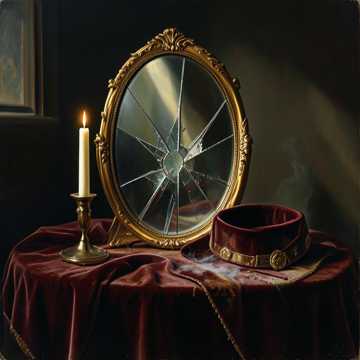
Phantom Pulse
Phantom Pulse portrays a speaker trapped in the memory of a destructive relationship. Through ghostly imagery, nocturnal production, and escalating vocals, the song explores longing, addiction, grief, and the fear that releasing a painful love may leave an unbearable silence behind.
04:49
4 days ago
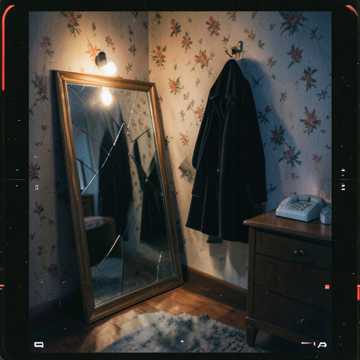
Phantom Pulse
Phantom Pulse portrays a narrator trapped between longing and release after a devastating relationship. Through nocturnal imagery, ghostly memories, and the metaphor of a fading heartbeat, the song explores emotional dependency, self-destruction, and the seductive comfort of preserving an illusion rather than facing silence.
04:58
4 days ago
Noir Soul: Definition, Origins, and Musical History
Noir Soul is a mood-driven music style that combines the emotional depth of soul and rhythm and blues with the shadowy atmosphere of film noir, dark jazz, trip-hop, blues, and cinematic pop. The term Noir Soul does not describe a single officially standardized genre with fixed rules; instead, it is commonly used as a descriptive tag for music that feels smoky, dramatic, intimate, melancholic, sensual, mysterious, or emotionally intense. Typical Noir Soul arrangements feature expressive vocals, minor-key harmony, spacious production, deep bass, restrained drums, electric piano, muted brass, vintage strings, tremolo guitar, tape saturation, and atmospheric electronic textures. The emotional center of Noir Soul is often a conflicted or vulnerable vocal performance rather than a purely dance-oriented groove. The roots of Noir Soul can be traced to several overlapping traditions. Classic soul and rhythm and blues established the importance of powerful, highly expressive singing, while blues and jazz introduced nocturnal harmony, improvisation, and emotional ambiguity. Film noir soundtracks contributed the language of suspense, urban loneliness, smoky clubs, and morally complex storytelling. In the late twentieth century, artists and producers connected these traditions with alternative pop, downtempo, trip-hop, and electronic production. During the1990s and2000s, recordings by artists associated with trip-hop, neo-soul, alternative R&B, and dark pop made the aesthetic especially recognizable. In the streaming era, Noir Soul has developed into a flexible playlist and metadata category used for songs that combine soulful vocals with cinematic darkness. Contemporary Noir Soul may include live band arrangements, vintage analog recording techniques, minimalist electronic beats, orchestral sound design, or modern R&B production. Its defining quality is therefore less a strict tempo or instrumentation than a consistent atmosphere: soulful, nocturnal, cinematic, and emotionally shadowed.
Noir Soul Sub-Tags and Classifications
Classic Noir Soul
Classic Noir Soul draws on vintage soul, blues, and jazz recordings while emphasizing a dark, late-night mood. It often uses warm analog textures, Hammond organ, electric piano, muted horns, brushed drums, upright or electric bass, and intimate lead vocals. The writing frequently focuses on heartbreak, betrayal, loneliness, desire, and moral uncertainty. This classification is useful for music that feels connected to smoky jazz clubs, old cinema, and mid-century rhythm and blues without simply reproducing a historical genre.
Neo-Noir Soul
Neo-Noir Soul combines contemporary neo-soul harmony with darker production and cinematic storytelling. Extended chords, syncopated grooves, layered backing vocals, subtle synthesizers, and polished bass lines are common features. The sound may remain organic and soulful while incorporating modern studio effects, vocal doubling, granular ambience, or unconventional song structures. Neo-Noir Soul is particularly suited to artists who want to present intimate R&B songwriting through a sophisticated, urban, and mysterious sonic palette.
Trip-Hop Noir Soul
Trip-Hop Noir Soul merges soulful singing with slow breakbeats, sampled drums, sub-bass, vinyl noise, turntable textures, and spacious electronic production. Its tempos are often restrained, allowing the atmosphere to remain heavy and hypnotic. Vocals may be smooth, whispered, smoky, or dramatically detached. This sub-tag is associated with cinematic tension, urban night scenes, psychological drama, and downtempo listening, making it one of the most recognizable electronic branches of Noir Soul.
Dark R&B and Alternative Noir Soul
Dark R&B and Alternative Noir Soul use contemporary R&B vocal phrasing, minimal beats, distorted or reverberant synthesizers, and emotionally complex lyrics. The production may be sparse, leaving space around the singer, or may become dense and textural through layered harmonies and processed percussion. Unlike traditional soul, the emphasis is often on interiority, ambiguity, and restrained intensity rather than vocal showmanship alone. This category can include songs about isolation, obsession, unhealthy relationships, identity, and emotional vulnerability.
Cinematic Noir Soul
Cinematic Noir Soul is designed around visual atmosphere and narrative scale. It may feature orchestral strings, low brass, piano, ambient pads, dramatic percussion, sound-design effects, and carefully controlled dynamic changes. The music often resembles a title theme or character motif, with a strong sense of suspense and emotional foreshadowing. Cinematic Noir Soul is especially effective when a track needs to suggest a dangerous romance, a morally complicated protagonist, a rainy city, or an unresolved mystery.
Jazz-Noir Soul
Jazz-Noir Soul places soulful vocals and R&B songwriting within a jazz-influenced harmonic and instrumental setting. Common elements include minor-key piano, brushed drums, walking or syncopated bass, saxophone, trumpet, vibraphone, and extended chords. Improvisation may be used sparingly to preserve the song's cinematic focus. The result is elegant, intimate, and sophisticated, with a strong association with lounges, cabarets, detective stories, and after-hours listening.
Gothic and Orchestral Soul
Gothic and Orchestral Soul expands the emotional scale of Noir Soul through dramatic strings, choir-like backing vocals, organ, timpani, dark guitar, and powerful vocal climaxes. The lyrics often explore grief, devotion, spiritual conflict, doomed romance, or transformation. This sub-tag is suitable for music that retains the emotional directness of soul but uses gothic or symphonic arrangements to create a grand, haunted, and theatrical atmosphere.
Acoustic and Minimal Noir Soul
Acoustic and Minimal Noir Soul strips the arrangement down to voice, piano, acoustic guitar, upright bass, sparse percussion, or a small string section. Silence and room ambience become important expressive tools. The reduced instrumentation places attention on vocal texture, lyrical detail, and subtle emotional shifts. This form works well for intimate performances, singer-songwriter recordings, dramatic dialogue scenes, and scenes in which vulnerability is more important than spectacle.
Famous Artists and Works Related to Noir Soul
Billie Holiday
Billie Holiday is not usually categorized strictly as a Noir Soul artist, but her intimate phrasing, dark emotional nuance, and close relationship with jazz and blues make her a foundational reference for the style. Songs such as "Strange Fruit" and "I'll Be Seeing You" demonstrate how vocal restraint, unusual timing, and lyrical gravity can create a deeply cinematic atmosphere. Her influence can be heard in Noir Soul singers who prioritize character, vulnerability, and emotional subtext over technical display.
Billie Holiday - "Strange Fruit"
This landmark recording is not a conventional Noir Soul track, but it is an essential historical precursor to the style's use of atmosphere, narrative, and emotional gravity. The sparse arrangement leaves space for Holiday's intensely controlled vocal delivery, while the stark imagery creates a cinematic scene with profound moral force. Its innovation lies in treating popular song as dramatic testimony and showing how minimal musical materials can produce overwhelming psychological impact.
Nina Simone
Nina Simone combined jazz, blues, classical piano, gospel, and soul with an unusually dramatic interpretive style. Performances such as "Feeling Good," "Sinnerman," and "I Put a Spell on You" show how a commanding vocal, minor-key harmony, and dynamic arrangement can create tension and theatrical intensity. Simone's work contributes a sense of psychological depth and social awareness that is central to many forms of Noir Soul.
Nina Simone - "Feeling Good"
Nina Simone's version of "Feeling Good" demonstrates the theatrical side of Noir Soul. The song moves from restrained verses toward increasingly powerful orchestral and vocal statements, creating a sense of transformation and release. Minor-key colors, dramatic brass, deliberate pacing, and Simone's commanding articulation give the performance a filmic quality. Its innovation is the fusion of soul authority, jazz interpretation, and stage-like orchestration within a compact popular song.
Sade
Sade helped define an elegant, restrained form of sophisticated soul that frequently overlaps with Noir Soul. Tracks including "No Ordinary Love," "The Sweetest Taboo," and "Jezebel" use smooth bass, controlled percussion, jazz-influenced harmony, atmospheric keyboards, and understated vocals. The group's contribution lies in demonstrating that sensuality and emotional darkness can be communicated through precision, space, and subtle performance rather than overt melodrama.
Sade - "No Ordinary Love"
The track's slow pulse, spacious arrangement, prominent bass, fluid guitar, and understated vocal delivery create a sensual but emotionally uncertain environment. Rather than relying on a large climax, the recording builds intensity through repetition, texture, and subtle harmonic movement. It is a defining example of elegant Noir Soul because it balances romance with melancholy and makes restraint feel dramatic.
Portishead
Portishead are among the most important reference points for Trip-Hop Noir Soul. Their music combines sampled breakbeats, vinyl texture, cinematic strings, distorted production, and Beth Gibbons's fragile yet intense vocals. The albums "Dummy" and "Portishead," along with songs such as "Glory Box" and "Roads," established a template for combining soul feeling with suspense, alienation, and noir-influenced sound design.
Portishead - "Glory Box"
"Glory Box" combines a cinematic string sample, slow hip-hop-informed rhythm, bluesy vocal phrasing, and deliberately degraded production. Beth Gibbons's performance shifts between vulnerability and defiance, giving the song a psychologically complicated center. Its innovation is the way it places a classic soul sensibility inside a modern trip-hop framework, creating a template for dark, sensual, and urban Noir Soul.
Amy Winehouse
Amy Winehouse connected contemporary songwriting with1960s soul, jazz, ska, and rhythm and blues. "Back to Black" and "Love Is a Losing Game" are closely associated with the Noir Soul mood because of their minor-key arrangements, emotionally direct lyrics, vintage production, and themes of damaged relationships. Her contribution was to make retro-soul vocabulary feel personal and contemporary while preserving the rawness of confessional performance.
Portishead - "Roads"
"Roads" is built from a restrained beat, atmospheric keyboard textures, and an exposed vocal performance. The arrangement avoids conventional rhythmic momentum, allowing pauses and sustained sounds to carry the emotional weight. This minimalism produces a feeling of isolation and suspended time, making the track a strong example of cinematic Noir Soul and an important model for artists using electronic production to support intimate storytelling.
Massive Attack
Massive Attack contributed a production-centered form of dark, atmospheric music that often intersects with Noir Soul. Their work uses deep bass, slow breakbeats, dub techniques, electronic ambience, and dramatic vocal collaborations. Tracks such as "Teardrop" and "Unfinished Sympathy" show how spacious production and layered rhythm can create emotional tension suitable for urban, nocturnal, and psychologically complex settings.
Amy Winehouse - "Back to Black"
The song uses a retro-soul arrangement with dramatic strings, measured percussion, and a strong harmonic sense of return. Winehouse's phrasing is conversational yet wounded, and the lyrics present heartbreak with blunt, memorable language. The recording's innovation lies in its balance between vintage soul references and modern emotional directness, helping establish a commercially influential form of dark retro-soul.
Lana Del Rey
Lana Del Rey's music frequently overlaps with cinematic and orchestral Noir Soul through its themes of doomed romance, nostalgia, glamour, loneliness, and emotional fatalism. Songs such as "Born to Die," "Young and Beautiful," and "Shades of Cool" use orchestral arrangements, slow tempos, reverb-heavy vocals, and vintage-pop references. Although her work is generally classified as alternative pop, it is highly relevant to the noir aesthetic because of its visual storytelling and melancholic atmosphere.
Massive Attack - "Teardrop"
"Teardrop" combines an intricate electronic rhythm, deep bass, harp-like melodic figures, and an airy vocal performance. Its production is spacious but densely layered, creating an atmosphere that is both intimate and otherworldly. The track illustrates how Noir Soul can move beyond traditional band instrumentation by using studio texture, repetition, and low-frequency design as emotional instruments.
The Weeknd
The Weeknd helped popularize a darker, highly produced form of alternative R&B that shares several characteristics with Noir Soul. Early recordings such as "House of Balloons" and later songs such as "Call Out My Name" combine falsetto vocals, nocturnal synths, heavy low end, spacious reverberation, and narratives of desire, excess, and emotional disconnection. His work demonstrates how Noir Soul ideas can operate within contemporary pop and R&B production.
Lana Del Rey - "Young and Beautiful"
This song uses orchestral pop, slow pacing, reverberant vocals, and a lyric centered on love, aging, and insecurity. The arrangement presents glamour and vulnerability simultaneously, a contrast that is central to the noir aesthetic. Its cinematic scale and nostalgic color make it a useful example of how Noir Soul ideas can be expressed through modern alternative pop rather than through traditional R&B alone.
Noir Soul Application Scenarios
Noir Soul is highly effective in crime dramas, psychological thrillers, romantic tragedies, neo-noir films, and character-driven television series. A slow bass line, brushed drum pattern, smoky vocal, or suspenseful string arrangement can accompany a rainy city, a late-night conversation, an investigation, or the emotional aftermath of betrayal. For a protagonist-centered scene, sparse Noir Soul can reveal inner conflict without competing with dialogue; for a closing-credit sequence, a larger cinematic Noir Soul track can leave the audience with unresolved emotional tension.
Film and Television Soundtracks
Trailer editors can use Noir Soul to establish mystery, sophistication, danger, or romantic ambiguity. A track may begin with isolated piano or vocal phrases, introduce a deep electronic pulse, and then expand with strings or distorted bass at the trailer's turning point. The genre's gradual dynamic development works well for trailers that need to suggest secrets and emotional stakes rather than rely solely on aggressive action music.
Detective, Mystery, and Neo-Noir Trailers
Noir Soul can provide a premium, sensual, and memorable identity for campaigns involving perfume, fashion, jewelry, automobiles, boutique hotels, whiskey, cosmetics, or high-end technology. Its combination of restrained rhythm, warm vocal tone, analog texture, and cinematic space can make a brand feel sophisticated and enigmatic. Instrumental Noir Soul is useful when the voice-over must remain clear, while a vocal-led track can create stronger emotional association in a short lifestyle commercial.
Advertising and Luxury Branding
In games, Noir Soul can support detective adventures, narrative role-playing games, horror titles, cyberpunk worlds, interactive dramas, and morally ambiguous open-world environments. It can serve as a nightclub or bar theme, a character motif, an investigation cue, or an exploration track for a rainy metropolitan district. Adaptive game music can layer drums, bass, vocal fragments, and orchestral tension according to the player's level of danger or discovery.
Video Games
Jazz-Noir Soul and downtempo Noir Soul are suitable for cocktail lounges, hotel lobbies, restaurants, rooftop bars, and late-night cafés. The music creates an intimate atmosphere without demanding constant attention. Carefully selected tracks with moderate dynamics can add sophistication and warmth, while instrumental versions are useful in venues where conversation remains central.
Nightlife, Lounges, and Hospitality Spaces
Noir Soul works well for true-crime podcasts, investigative journalism, relationship dramas, fiction podcasts, and cultural documentaries. A short motif built from muted piano, low strings, vinyl ambience, or a restrained beat can establish a recognizable identity. Because Noir Soul often communicates suspense and emotional complexity quickly, it is effective for opening themes, episode transitions, and reflective narration.
Podcast Intros and Audio Storytelling
The dark glamour of Noir Soul pairs naturally with runway films, lookbooks, beauty campaigns, and editorial photography videos. Slow grooves and spacious production allow visual cuts, fabric movement, and close-up shots to remain prominent. A vocal performance can emphasize human sensuality, while an instrumental arrangement can create a more abstract, architectural mood.
Fashion Films and Editorial Video
Noir Soul provides dancers and theater directors with a flexible emotional framework for exploring desire, alienation, power, grief, and transformation. Its combination of pulse and open space supports both controlled movement and dramatic pauses. Live strings, processed vocals, and sub-bass can be added to intensify a performance, while minimal piano-and-voice arrangements can support more intimate staging.
Contemporary Dance and Theater
As a playlist category, Noir Soul is suited to nighttime driving, solitary reflection, reading, creative work, and emotionally focused listening. A well-curated Noir Soul playlist may move between classic soul, alternative R&B, trip-hop, jazz, dark pop, and cinematic instrumentals while preserving a consistent atmosphere of warmth, mystery, and melancholy.
Personal Playlists and Late-Night Listening