
Free Reel Music Generator Powered by AI
Turn text into high-quality Reel music effortlessly – no login required!

music.toolTips
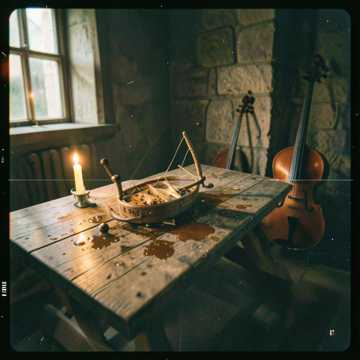
Merry Trestle Jig
A bright, earthy medieval jig that begins with a sparse drone and frame drum, then layers lute, recorder, fiddle, bagpipes, and percussion into an energetic communal stomp. Its playful pauses, counter-melodies, and chaotic final reel evoke a bustling village celebration.
02:07
2 days ago
Reel Music: Definition, Origins, and History
A reel is a lively dance tune and dance form found in several traditional music cultures, especially Irish, Scottish, and other Celtic traditions. In music, the term most often describes a tune in duple or quadruple meter, commonly notated in2/2 or4/4, with a steady pulse and a flowing sequence of notes. Reels are typically played for dancing at a brisk tempo, though performers may vary the speed to suit the dance, ensemble, and occasion. Their repeated phrases and strong rhythmic lift make reel music recognizable and easy to follow. The reel developed in Scotland and Ireland, with the name connected to a group dance tradition that became established in Scotland by the early modern period. Over time, the tune and dance circulated between communities and crossed the Atlantic through migration. Irish and Scottish musicians adapted reels to local instruments, dance styles, and regional tastes, helping the form take root in North America, including Cape Breton, Newfoundland, and parts of the Appalachian region. In the twentieth and twenty-first centuries, recordings, radio, festivals, folk revivals, and cross-genre collaborations brought reel music to audiences well beyond its traditional dance settings. Today, a reel may be performed acoustically by a session ensemble, arranged for a concert stage, or reworked for film, television, and games.
Reel Music Sub-tags and Classifications
Irish Reel
Irish reels are a central part of Irish traditional dance music. They usually have four strong beats per bar, a brisk, even pulse, and melodic phrases designed to support continuous dancing. Fiddle, flute, tin whistle, uilleann pipes, accordion, and banjo are common lead instruments, while guitar, bouzouki, piano, or bodhran may provide accompaniment. Tunes are often played in sets, with musicians moving from one reel to another while maintaining the dance rhythm.
Scottish Reel
Scottish reels are associated with both social dancing and traditional fiddle music. They may accompany group dances such as country dances and are often distinguished by crisp bowing, clearly articulated rhythms, and melodic turns suited to Scottish dance steps. Fiddle and accordion are prominent, with piano and other instruments supporting the beat. Some Scottish reels share tunes and stylistic features with Irish reels, while regional phrasing and dance conventions give them a distinct character.
Cape Breton Reel
Cape Breton reel music reflects Scottish Gaelic heritage as developed on Cape Breton Island in Nova Scotia. Fiddle playing is especially prominent, with energetic bowing, emphatic accents, and a strong connection between the melody and step dancing. Piano accompaniment often reinforces the rhythmic drive. Cape Breton musicians have preserved older tune traditions while shaping a powerful regional style heard at dances, concerts, and festivals.
American and Appalachian Reel
In North American traditions, reel tunes have been adapted to local fiddle styles and dance forms. Appalachian and old-time musicians often play reel-like tunes on fiddle and banjo, sometimes with guitar or bass, using repeated melodic patterns and a driving dance pulse. These traditions share historical links with British and Irish music but have developed distinctive regional rhythms, ornamentation, and repertoire.
Slow Reel
A slow reel retains the characteristic meter and melodic structure of reel music but is performed at a more measured tempo. The slower pace brings out ornaments, phrasing, and expressive details that can be less apparent in a dance-speed performance. Slow reels are often presented in listening-focused settings or used as a contrast within a set.
Reel Set and Medley
A reel set is a sequence of two or more tunes played without a break or with a brief transition. Musicians choose tunes with compatible keys, rhythmic energy, and phrase lengths so the momentum carries naturally from one melody to the next. Reel sets are common at traditional sessions, dances, concerts, and recordings, and may build in speed or intensity as they progress.
Famous Reel Artists and Classic Reel Works
The Chieftains
The Chieftains helped introduce Irish traditional music to international audiences through decades of recordings and collaborations. Their repertoire includes reels arranged for a polished ensemble sound, bringing together instruments such as uilleann pipes, tin whistle, fiddle, and bodhran. Their recordings demonstrate how traditional reel melodies can retain their dance character while working in concert and soundtrack contexts.
The Silver Spear
The Silver Spear is a widely played Irish reel, valued for its memorable melodic contour and clear dance pulse. Its phrases use repeated rhythmic figures that give players room to add ornaments and vary the bowing or articulation without obscuring the tune. It is frequently heard in sessions and reel sets, where its familiar structure makes it an effective meeting point for musicians with different levels of experience.
The Bothy Band
The Bothy Band became influential in the modern Irish traditional music revival of the1970s. Their driving performances combined fiddle, flute, accordion, bouzouki, and bodhran, giving reel sets a forceful ensemble sound while preserving detailed traditional phrasing. The group's recordings inspired later generations of Irish musicians and helped establish a dynamic approach to reel performance.
The Mason's Apron
The Mason's Apron is a well-known Irish reel often associated with energetic, technically demanding performances. Its extended melodic form and recurring motifs create opportunities for variation, making it a favorite among instrumentalists who want to demonstrate ornamentation, bow control, and rhythmic precision. In a dance setting, the tune's sustained momentum helps maintain a lively flow.
Martin Hayes
Fiddler Martin Hayes is known for an expressive style rooted in the East Clare tradition. His performances of reels balance rhythmic momentum with spacious phrasing, ornamentation, and sensitivity to the shape of a tune. Hayes has shown that reel music can be compelling both as dance music and as focused, concert-style listening.
The Congress Reel
The Congress Reel is a popular tune in Irish traditional repertoire and is often played as part of a set. Its regular phrasing and buoyant rhythm make it adaptable to different instruments and ensemble sizes. Performers can keep the melody straightforward for dancing or add subtle variations in articulation and ornamentation for a more individual concert performance.
Cape Breton Fiddlers
Cape Breton fiddle artists, including generations of musicians such as Buddy MacMaster and Natalie MacMaster, have brought the island's reel tradition to a broad audience. Their performances highlight energetic bowing, strong rhythmic accents, and the close relationship between fiddle music and step dancing. Their recordings and live performances have helped sustain and evolve Cape Breton's distinctive reel style.
The Earl's Chair
The Earl's Chair is a traditional Irish reel noted for its strong melodic identity and graceful movement between phrases. It illustrates how a reel can combine a firm dance rhythm with a tune that feels lyrical rather than purely percussive. Fiddle and flute performances often bring out its ornamentation, while ensemble arrangements emphasize the tune's forward motion.
The Dubliners
The Dubliners are best known for Irish folk songs, but their performances and recordings also helped make traditional instrumental music familiar to international audiences. Their broader folk repertoire placed reel tunes within a lively pub and concert tradition, connecting dance music with the social culture of Irish folk performance.
The Atholl Highlanders
The Atholl Highlanders is a Scottish reel associated with the country's dance and fiddle traditions. Its lively rhythm and clearly shaped phrases suit group dancing, while its melody supports crisp articulation and energetic playing. The tune demonstrates the role of Scottish reels as both functional dance music and a showcase for regional instrumental style.
Reel Music Applications and Use Cases
Reel music can establish a Celtic or rural setting, evoke a community gathering, or add motion to a sequence involving dancing, travel, or celebration. A traditional acoustic arrangement can suggest historical or regional atmosphere, while a modern orchestration can combine fiddle, percussion, and strings for a more cinematic build. Producers should match the arrangement to the scene and account for the cultural tradition being represented.
Film and television soundtracks
A reel's recognizable pulse and upbeat energy can support advertisements for festivals, travel, food, or products associated with heritage and craft. Short reel phrases can work as a musical motif or transition, while a full ensemble arrangement can create a festive sound. The choice of instruments and performance style should fit the brand and avoid implying a cultural association that the campaign does not intend.
Advertising and brand campaigns
Reel music can accompany taverns, village celebrations, folk-inspired settings, or fast-paced sequences in games. Layered arrangements can adapt to gameplay by adding instruments or rhythmic intensity as the player enters a new area or completes an objective. Because the reel rhythm is steady and memorable, it can support movement without overwhelming dialogue or gameplay sounds.
Video games and interactive media
Reel music is directly suited to social dance, including Irish set dancing, Scottish country dancing, and ceilidh events. Live musicians or recordings provide a clear pulse for dancers, while repeated tune sections help participants anticipate changes in the dance. The tempo can be adjusted for beginners, experienced dancers, or the requirements of a particular dance.
Dance classes, ceilidhs, and community events
Documentaries about Irish, Scottish, Cape Breton, or wider folk traditions can use reel music to connect scenes with dance, local history, and community life. A carefully chosen traditional performance can convey musical detail and regional identity more effectively than generic background music. Context, credits, and licensing are important when using a specific recording or arrangement.
Documentaries and cultural programming
Reel sets are a staple of traditional music concerts, pub sessions, and folk festivals. Musicians can begin with a measured tune and build into faster reels, creating a natural rise in energy. The format also encourages ensemble interplay, improvisational variation, and audience participation through dancing or clapping.
Live concerts and folk festivals