
Free Restrained Drums Music Generator Powered by AI
Turn text into high-quality Restrained Drums music effortlessly – no login required!

music.toolTips

5237
Песня о безразличии к формальному празднику, внутренней усталости и тоске по безумной юности. Зимний Новый год становится символом времени, которое не возвращается, а смешные воспоминания о друзьях и хаосе прошлого лишь ярче подчёркивают горечь взросления.
04:35
1 days ago

When You Find Me 1
A vulnerable narrator recalls the wounds that once closed her heart, then discovers a love that feels destined and deeply transformative. Through intimate verses, soaring choruses, and a tender promise-filled bridge, she chooses lasting devotion, offering to become her beloved’s home through every uncertain road.
03:44
2 days ago
When You Find Me
A vulnerable woman reflects on emotional isolation before discovering a love that feels destined. Through intimate verses, soaring choruses, and a vow-like bridge, she promises loyalty, shared years, and a safe home where both hearts can remain.
03:47
2 days ago
为什么会改变
歌曲以被冷落者的第一视角展开,追问爱人为何改变。主歌铺陈关系疏离,副歌将痛苦推向深渊般的情绪高点,结尾在无奈与不舍中安静收束。
02:25
3 days ago

The Little Things We Do
A tender portrait of enduring love found in ordinary moments: shared tea, saved food, quiet companionship, unexpected journeys, and familiar gestures. Its intimate R&B arrangement mirrors the lyrics, beginning sparsely, expanding with emotional warmth, and resolving in a reassuring celebration of togetherness.
03:33
Invalid date
人造極光
歌曲描寫久別戀人在和平年代的軌道城重逢,彼此已走過不同星系,卻仍保有未曾改變的深情。兩人選擇珍惜短暫相見,將未說完的約定化作安靜而溫柔的告別。
04:35
4 days ago
思念埋在心间
歌曲借雨声、旧日记和遥远距离,诉说一段未完的感情。主人公始终守护心中的爱,将无法说出口的誓言与思念珍藏至永远。
03:22
4 days ago
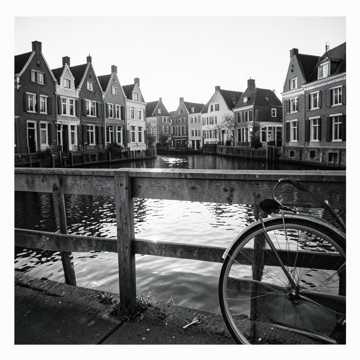
Alkmaar, petit miracle du Nord
Cette chanson célèbre Alkmaar comme une ville romantique et vivante, entre canaux matinaux, vélos, terrasses et lanternes au bord de l’eau. Les couplets intimes s’ouvrent sur un refrain expansif, transformant une escapade urbaine en conte lumineux, chaleureux et profondément joyeux.
02:44
5 days ago
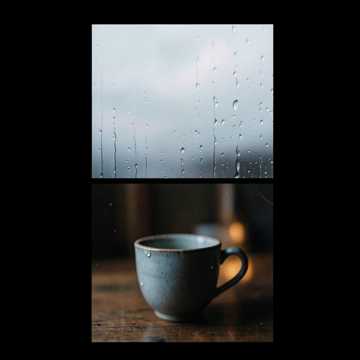
The Sad Song
A reflective narrator spends a long, rainy day alone, finding companionship and emotional release in a sad song. Its tender ache transforms isolation into comfort, while the relaxed half-time groove and intimate sing-rap delivery create a warm, honest portrait of quiet resilience.
02:13
Invalid date
Restrained Drums: Definition, History, and Musical Characteristics
Restrained drums is a music production and arrangement tag describing drum parts that are deliberately controlled, understated, and supportive rather than dominant. In restrained drums music, percussion usually provides a quiet pulse, subtle groove, atmospheric movement, or carefully placed rhythmic emphasis. The drummer or producer may use soft dynamics, sparse patterns, muted tones, brushes, rim clicks, low-volume electronic hits, or carefully filtered drum samples. The purpose is to maintain momentum and structure without drawing attention away from vocals, melody, dialogue, sound design, or emotional atmosphere. Restrained drums can appear in ambient music, cinematic music, indie pop, folk, post-rock, trip-hop, minimal electronic music, contemporary R&B, jazz, and soundtrack composition. The style is not defined by a single tempo or instrument. Instead, it is defined by controlled energy, limited density, and a strong awareness of space. Historically, restrained drumming can be traced to jazz brushwork, intimate folk and singer-songwriter accompaniment, minimalist composition, and studio recording techniques that emphasized subtle dynamics. In the1960s and1970s, producers and drummers increasingly explored quieter percussion to support vocal-centered recordings and atmospheric arrangements. The development of close microphones, tape processing, gated and filtered drum sounds, drum machines, samplers, and digital audio workstations later expanded the range of restrained drums. Modern producers can create highly detailed low-impact rhythms by combining acoustic percussion, electronic pulses, noise textures, side-chain movement, and precise automation. Today, restrained drums are widely used when a track needs rhythmic direction while preserving a calm, intimate, reflective, or suspenseful mood.
Restrained Drums Sub-Tags and Classifications
Soft Acoustic Drums
Soft acoustic drums use low-volume kick drums, gentle snare hits, light toms, brushes, and controlled cymbal work. The performance often relies on touch and natural room ambience instead of force. This form of restrained drums is common in acoustic pop, folk, singer-songwriter music, intimate jazz, and understated cinematic arrangements. The objective is to preserve the organic character of a live drummer while keeping the percussion behind the main musical idea.
Brush Drums
Brush drums are characterized by sweeping brush movements, soft circular textures, and delicate accents on the snare. They create a flowing rhythmic bed without the sharp attack of conventional sticks. Brush-based restrained drums are especially effective in jazz, lounge, romantic scenes, documentary music, and reflective vocal performances. The continuous movement of the brushes can suggest motion and warmth even when the rhythmic pattern is very sparse.
Minimal Percussion
Minimal percussion uses only a small number of carefully selected hits, often leaving significant space between rhythmic events. A basic kick, muted click, shaker, or isolated snare may be enough to establish tempo. Minimal restrained drums are useful in ambient, minimalist, modern classical, and experimental music because they give other elements room to breathe. Silence and negative space are treated as active parts of the arrangement.
Muted Drum Machine Patterns
Muted drum machine patterns use electronic kick drums, low-passed snares, short claps, filtered hi-hats, and reduced-volume sequenced rhythms. These patterns may be quantized and repetitive, but their low intensity keeps them subtle. This classification is common in downtempo, chillout, lo-fi, trip-hop, understated synth-pop, and background music. Producers often soften transients, reduce high frequencies, and apply gentle saturation to prevent the electronic percussion from becoming aggressive.
Textural and Ambient Drums
Textural and ambient drums treat percussion as a layer of atmosphere rather than a conventional beat. Reversed cymbals, distant toms, processed impacts, granular fragments, soft pulses, and long reverberation tails may be used to create movement. The rhythm can be difficult to identify as a traditional drum pattern, but it still guides the listener through transitions and sections. This form of restrained drums is widely used in ambient music, cinematic soundscapes, meditation tracks, and emotional underscore.
Sparse Cinematic Drums
Sparse cinematic drums use isolated low booms, soft taiko-like strikes, muted frame drums, restrained snares, or carefully timed impacts. Rather than maintaining a constant groove, the percussion marks important narrative moments or gradually increases tension. Sparse cinematic drums are effective in suspense, drama, historical films, trailers with a subtle tone, and documentary scoring. Their strength comes from timing and contrast: a single quiet hit can carry considerable emotional weight when surrounded by silence.
Low-Impact Groove Drums
Low-impact groove drums preserve a recognizable pocket while keeping the overall energy controlled. Typical techniques include a soft kick, lightly syncopated snare, understated hi-hat, and restrained ghost notes. This approach supports vocals and melodic hooks without competing with them. It is frequently heard in neo-soul, alternative R&B, indie rock, laid-back funk, and contemporary pop arrangements.
Ghost-Note Drums
Ghost-note drums rely on very quiet snare or tom notes placed between stronger accents. These nearly whispered hits add human movement, anticipation, and groove while remaining below the level of the main rhythm. Ghost notes are useful when a producer wants restrained drums to feel performed rather than mechanically repetitive. They are particularly valuable in funk, soul, jazz, alternative rock, and expressive pop.
Filtered and Distant Drums
Filtered and distant drums are designed to sound as though they are coming from another room, a far-off space, or a limited-frequency source. Low-pass filtering, high-pass filtering, tape coloration, long reverberation, and reduced transient detail can create this effect. This classification is useful for dream pop, lo-fi production, atmospheric electronic music, psychological drama, and scenes that require emotional distance.
Crescendo-Based Restrained Drums
Crescendo-based restrained drums begin with very sparse, low-volume percussion and gradually add density, sustain, or intensity. The drums remain controlled for much of the arrangement but become more pronounced at carefully chosen structural points. This approach is common in post-rock, modern classical music, cinematic builds, and emotional advertising music. It provides a sense of development without making the entire track loud or rhythmically busy.
Famous Artists and Works Related to Restrained Drums
Ringo Starr
Ringo Starr is widely recognized for a relaxed, economical drumming style that often served the song rather than competing with it. His playing with The Beatles demonstrates how simple fills, carefully chosen accents, and a strong sense of musical space can create memorable rhythm without excessive density. Tracks such as 'Let It Be' and 'Across the Universe' illustrate restrained drum approaches that support vocal phrasing and arrangement changes.
The Beatles - 'Let It Be'
The drum part in 'Let It Be' supports the song with a steady, uncomplicated pulse and avoids unnecessary rhythmic decoration. The controlled snare and kick placement allow the piano, vocal melody, and orchestral elements to remain prominent. The track demonstrates how restrained drums can create stability and emotional continuity, particularly in a song built around reflective lyrics and gradual arrangement expansion.
Brian Blade
Brian Blade is known for highly responsive, dynamically sensitive drumming in jazz and contemporary acoustic music. His playing frequently moves between silence, subtle brushwork, delicate cymbal color, and carefully placed accents. His work with the Brian Blade Fellowship and as a collaborator with artists such as Joni Mitchell and Daniel Lanois demonstrates how restrained drums can remain expressive, interactive, and emotionally detailed.
Radiohead - 'Pyramid Song'
Pyramid Song uses sparse, carefully positioned percussion within a rhythm that feels suspended and difficult to reduce to a standard pop groove. The drums do not provide constant propulsion; instead, they appear as measured events that reinforce the song's unusual phrasing and floating piano harmony. This is a strong example of restrained drums creating tension through timing, silence, and ambiguity.
Jim Keltner
Jim Keltner has contributed to numerous recordings as a session drummer and is respected for his deep pocket, tasteful restraint, and ability to adapt to the emotional needs of a song. His performances often use simple grooves, soft articulation, and small changes in emphasis to make a recording feel natural. His work across folk, rock, singer-songwriter, and roots music provides many examples of supportive drum arrangement.
Portishead - 'Roads'
Roads combines slow, understated percussion with prominent vocal emotion, sampled texture, and spacious production. The drums are deliberately low-impact and often feel distant, which intensifies the song's melancholy atmosphere. Its innovation lies in treating the drum track as part of the emotional soundscape rather than as a conventional rhythmic foundation.
Steve Gadd
Steve Gadd is famous for precision and musical judgment as much as for technical ability. Although he is capable of highly elaborate playing, many of his most influential performances demonstrate controlled dynamics, compact fills, and rhythmic phrasing that leaves space for other instruments. His work in jazz, fusion, pop, and studio recording shows how restrained drums can be sophisticated without being crowded.
Bill Withers - 'Use Me'
The rhythmic power of 'Use Me' comes from economical placement, repetition, and the close relationship between drums and bass. The groove feels strong without relying on a dense arrangement or constant fills. This recording demonstrates that restrained drums can be highly physical and memorable when every hit contributes to the pocket.
Jaki Liebezeit
Jaki Liebezeit of Can developed a highly controlled, repetitive, and hypnotic approach to rhythm. His playing could be minimal in its vocabulary while remaining intensely focused and physically compelling. Can recordings such as 'Future Days' show how restrained, steady percussion can create an immersive atmosphere and support experimental sound design.
Can - 'Future Days'
Future Days uses a controlled, flowing rhythm that supports spacious keyboards, vocals, and atmospheric textures. The percussion remains consistent and understated, producing a hypnotic sense of motion rather than a dramatic series of accents. The work is important for showing how restrained drums can sustain an extended arrangement through repetition, subtle variation, and careful dynamic control.
James Gadson
James Gadson is associated with the deep, economical grooves of soul, funk, and R&B. His drumming often demonstrates that a small number of perfectly placed notes can produce a powerful pocket. His work on Bill Withers recordings, including 'Use Me,' is an important reference for restrained drums because the rhythm is controlled, spacious, and closely connected to the vocal and bass phrasing.
Joni Mitchell - 'Amelia'
Amelia uses restrained percussion as part of a spacious singer-songwriter arrangement. The drums are light and supportive, preserving room for the vocal narrative, acoustic textures, and harmonic color. The track shows how controlled drumming can enhance intimacy and storytelling while preventing the arrangement from becoming rhythmically overbearing.
Phil Selway
Phil Selway of Radiohead uses both acoustic and electronic percussion to support complex harmonic and textural arrangements. In songs such as 'Pyramid Song,' the drums are sparse and carefully placed, creating movement without imposing a conventional rock groove. His work illustrates how restrained drums can contribute to unusual meter, emotional ambiguity, and cinematic atmosphere.
The xx - 'Intro'
The xx's 'Intro' uses a minimal rhythmic framework with prominent space, repetition, and carefully shaped electronic and acoustic textures. The drum elements are concise and atmospheric, helping the track build anticipation without a busy beat. Its production is a useful reference for modern restrained drums in fashion films, trailers, advertising, and contemporary visual media.
Steve Shelley
Steve Shelley of Sonic Youth has often used understated and textural percussion to support guitar experimentation. His playing can be repetitive, subdued, and deliberately loose, allowing the guitars and overall sonic architecture to remain central. This approach connects restrained drums with alternative rock, noise-informed arrangements, and atmospheric performance.
Nils Frahm - 'Says'
Says develops gradually through repeating electronic patterns, layered harmony, and controlled rhythmic reinforcement. The percussion does not dominate the composition; it helps establish a measured pulse while the sound field expands. The piece illustrates how restrained drums can participate in a long-form crescendo and contribute to emotional scale through accumulation rather than immediate impact.
Nils Frahm
Nils Frahm combines piano, electronics, acoustic percussion, and studio processing in ways that blur the boundaries between performance and sound design. His recordings frequently use soft pulses, muted impacts, and carefully controlled rhythmic layers. This work demonstrates how restrained drums can function as an atmospheric extension of harmony rather than as a conventional beat.
Portishead
Portishead helped popularize a dark, sparse, and highly controlled rhythmic language within trip-hop. Recordings such as 'Dummy' use sampled drums, muted breaks, vinyl texture, and deliberate gaps to create tension and intimacy. Their production approach is a major reference for restrained drums in electronic, cinematic, and vocal-centered music.
Restrained Drums Application Scenarios
Restrained drums are effective in character-driven films, reflective montages, relationship scenes, travel sequences, and moments of quiet tension. A soft kick, distant tom, brush pattern, or isolated impact can maintain continuity while leaving room for dialogue and emotional nuance. In suspense films, sparse drums can mark a character's growing awareness without revealing too much of the scene's direction.
Film Soundtracks and Dramatic Scenes
Documentaries and television dramas often need music that supports narration, interviews, and naturalistic sound. Restrained drums provide subtle forward motion while preserving speech intelligibility. Low-volume percussion is especially useful for historical documentaries, human-interest stories, investigative sequences, and scenes that require a thoughtful or observational tone.
Television Drama and Documentary Scoring
Restrained drums can give an advertisement a modern, premium, and emotionally controlled sound. Soft electronic pulses, muted claps, or minimal acoustic grooves work well beneath voice-over, product demonstrations, and lifestyle imagery. Because the percussion does not dominate, it can support brand messages in technology, automotive, fashion, wellness, travel, and design campaigns.
Advertising and Brand Films
In video games, restrained drums are useful for exploration, dialogue, menu screens, puzzle areas, narrative transitions, and low-intensity stealth sections. Subtle rhythmic layers can prevent a scene from feeling static while avoiding player fatigue. Dynamic mixing can allow the drums to become slightly more active during movement or discovery and recede during dialogue.
Video Game Background Music
Atmospheric games benefit from percussion that responds gently to environment and player action. Filtered hits, distant pulses, and irregular textural drums can suggest weather, machinery, memory, danger, or isolation. Restrained drums are particularly suitable for narrative adventures, walking simulators, psychological games, and minimalist puzzle experiences.
Indie Games and Atmospheric Interactive Media
A carefully mixed restrained drums track can create an opening identity or transition bed for podcasts without competing with speech. Soft percussion is appropriate for interviews, culture programs, investigative series, and personal storytelling. The drum arrangement should remain sparse, with controlled high frequencies and enough headroom to maintain clear vocal intelligibility.
Podcasts and Spoken-Word Content
Restrained drums can provide a gentle sense of time in relaxation, breathing, yoga, and concentration music. Slow pulses, soft frame drums, brushed textures, and quiet shakers can help listeners perceive continuity without producing an energetic or distracting effect. Long releases and low transient intensity are often preferred in this application.
Meditation, Wellness, and Focus Music
Minimal percussion can add movement to a presentation while keeping attention on diagrams, narration, and key messages. Light electronic drums and short percussive accents work well in technology explainers, financial presentations, product launches, and internal communications. Restrained drums are especially useful when the desired tone is confident and contemporary rather than dramatic.
Corporate Presentations and Explainer Videos
When the vocal performance and lyrics are the primary focus, restrained drums can establish tempo and emotional shape without masking the words. Brushes, soft kick patterns, rim clicks, and understated cymbal accents can support verses while allowing choruses to gain intensity through arrangement rather than excessive volume.
Singer-Songwriter and Vocal-Centered Music
Restrained drums are widely used in ambient and lo-fi production because they create a repeatable pulse while preserving a calm listening environment. Filtered drum loops, vinyl-style textures, soft swing, and low-density patterns can make a track feel organic and continuous. The rhythm should usually avoid sharp transients and dramatic fills that interrupt extended listening.
Ambient, Lo-Fi, and Study Playlists
Minimal and textural percussion can complement precise editing, abstract imagery, runway footage, and architectural visuals. Restrained drums allow visual rhythm to remain prominent while adding subtle pacing to the soundtrack. Processed clicks, distant impacts, and short electronic patterns are particularly effective for contemporary art direction.
Fashion Films and Visual Art Projects
A trailer does not always require large orchestral hits or aggressive percussion. Restrained drums can establish anticipation during the opening and early build, leaving room for dialogue, sound effects, and later escalation. They are useful when the intended message is mysterious, elegant, emotional, or character-focused rather than purely action-oriented.
Game Trailers and Subtle Cinematic Promos