
Free Shakuhachi Music Generator Powered by AI
Turn text into high-quality Shakuhachi music effortlessly – no login required!

music.toolTips
半分の春と半分の秋
春と秋が交わる世界で、うしおとかなでは喪失と悔いを抱えながら出会い、手放しても消えない愛を見つける。繊細な笛と弦から轟くロックへ広がる男女の歌声は、別れを経てそれぞれの明日へ歩む希望を描く。
03:38
16 hours ago
春秋の狭間
春と秋が交わる野辺で、うしおとかなでは喪失と悔いを抱きながら、互いを縛らずに共に歩む道を選ぶ。抑制された独唱から壮大な重唱へ展開し、語りのラップが決意を刻む。物語のクライマックスや旅立ちの場面に寄り添う一曲。
04:10
16 hours ago

Ninja's Pentatonic Path
A fast, playful instrumental journey through moonlit feudal paths, driven by pentatonic flute and synth exchanges, plucked-string motion, taiko accents, and crisp arcade percussion. Its looping groove evokes a nimble ninja crossing a dangerous field stage, balancing stealth, excitement, nostalgia, and bright melodic charm.
03:10
Invalid date
Ninja's Dash
A brisk, loop-friendly ninja action theme that blends mysterious traditional motifs with urgent brass, agile piano, shamisen plucks, shakuhachi phrases, taiko accents, and vintage arcade energy. Its contrasting middle passage adds suspense before the memorable main melody returns.
02:55
Invalid date
Onmyo Moon Gate
A slow, ritualistic instrumental that opens with haunted traditional Japanese textures and gradually erupts into thunderous taiko, bowed-string surges, reversed swells, and deep sub drops. Its ancient, ominous atmosphere suits supernatural anime scenes, ceremonial confrontations, forbidden gateways, and moonlit battles between unseen forces.
03:58
2 days ago
Yamabiko Oath
A fast, ritualistic orchestral journey through misty mountains and ancient resolve. Sparse shamisen, koto, and shakuhachi passages create suspense before rolling taiko, swelling strings, and explosive drops evoke a heroic oath echoed across a legendary landscape.
03:10
2 days ago

Kage no Kōsō
A high-energy instrumental journey through shadow and motion, Kage no Kōsō combines shakuhachi emotion, pulsing analog synthesis, and explosive jazz percussion. Tense flute-synth exchanges build toward a soaring unison refrain, while risers, tom fills, and stereo movement create cinematic momentum.
04:10
2 days ago
雪映紅燈
歌曲以冬夜山谷溫泉為背景,描繪旅人走過落雪木橋、浸入暖泉、放下疲憊的心境。六八拍民謠搖曳自然,木吉他與尺八營造空靈留白,弦樂在副歌綻放,呈現溫暖、療癒而安詳的冬日詩篇。
03:27
5 days ago
Bamboo Temple Wind
A spacious, contemplative soundscape shaped by the breathy shakuhachi, Tibetan singing bowls, wind chimes, and recorded rain. Its slow monophonic drone evokes a quiet temple atmosphere, inviting meditation, introspection, and a sense of mystery.
03:19
5 days ago
Lanterns on the Mist
A very slow, minimalist ambient journey where breathy shakuhachi phrases drift above gentle river water, warm pads, and spacious reverb. The music evokes lantern light moving through mist, creating a tranquil space for meditation, introspection, rest, and emotional renewal.
03:09
5 days ago
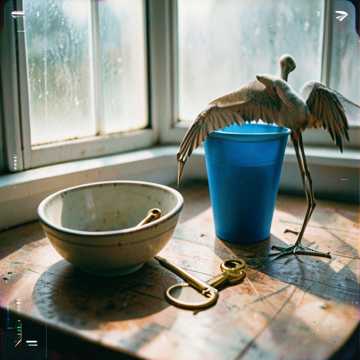
Your Key Is in the Bowl
A restrained farewell unfolds through household remnants, an untouched key, and the distant sound of a departing train. Intimate grief contrasts with an aggressive acoustic metal arrangement, while shamisen virtuosity and a dramatic outro transform quiet separation into an epic emotional release.
04:00
6 days ago
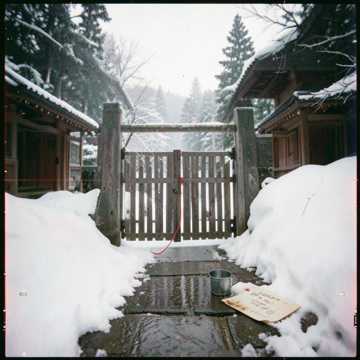
Keep Your Name
A solitary narrator preserves a lost lover’s name through winter, rain, and vanishing traces. Red thread, paper charms, temple doors, and the sea embody memory and mourning, while the final journey transforms devotion into acceptance: the past may disappear, but identity and love endure.
04:00
6 days ago
Introduction to Shakuhachi
The Shakuhachi is a traditional Japanese bamboo flute characterized by its distinct, breathy sound. Originating in China during the Tang Dynasty, the instrument was introduced to Japan in the 8th century. It became popular during the Edo period, where it was used by the Fuke sect of Zen Buddhism as a tool for meditation and religious practice. Over time, the Shakuhachi evolved into a versatile instrument used in various music genres, from classical Japanese music to contemporary compositions.
Sub-tags and Classifications of Shakuhachi
Traditional Shakuhachi
This sub-tag focuses on the traditional playing styles and repertoires of the Shakuhachi, often associated with Zen Buddhism and the Fuke sect. It includes classical honkyoku pieces, which are meditative and spiritual in nature.
Contemporary Shakuhachi
This sub-tag encompasses modern uses of the Shakuhachi in various music genres, including jazz, pop, and experimental music. Contemporary Shakuhachi players often blend traditional techniques with modern musical elements to create innovative sounds.
Shakuhachi Ensembles
This classification includes group performances involving multiple Shakuhachi players or ensembles that combine Shakuhachi with other traditional Japanese instruments like koto and shamisen.
Famous Artists and Works Related to Shakuhachi
Yokoyama Katsuya
Yokoyama Katsuya was a renowned Shakuhachi master known for his virtuosic playing and dedication to traditional honkyoku pieces. He played a significant role in popularizing the Shakuhachi outside Japan and was a leading figure in the transmission of the instrument's classical repertoire.
Kumoi Jishi
Kumoi Jishi is a traditional honkyoku piece characterized by its lyrical and expressive melody. It exemplifies the meditative and spiritual qualities of classical Shakuhachi music and is often performed in a solo context to highlight the instrument's unique sound.
Hozan Yamamoto
Hozan Yamamoto was a pioneering Shakuhachi player who blended traditional and contemporary styles. His contributions include numerous recordings and collaborations with Western musicians, bringing the Shakuhachi to a broader international audience.
Tsuru no Sugomori
Tsuru no Sugomori, or 'Nesting of Cranes,' is a classic Shakuhachi piece that mimics the sounds of cranes. This work showcases the instrument's ability to produce natural and evocative soundscapes, reflecting the player's technical skill and emotional depth.
Riley Lee
Riley Lee is an accomplished Shakuhachi player and the first non-Japanese to attain the rank of dai shihan (grand master). He has significantly contributed to the global appreciation of the Shakuhachi through his performances, recordings, and teaching.
Application Scenarios of Shakuhachi Music
Shakuhachi music is frequently used in movie soundtracks to evoke a sense of tranquility, spirituality, or traditional Japanese culture. Notable examples include its use in films such as 'The Last Samurai' and 'Memoirs of a Geisha.'
Movie Soundtracks
The unique and calming sound of the Shakuhachi is often used in advertising music to create an atmosphere of serenity and mindfulness, appealing to audiences seeking relaxation and peace.
Advertising Music
Shakuhachi music is used in video games to enhance the cultural and atmospheric elements of the game, especially in titles set in historical or fantasy versions of Japan. Games like 'Ghost of Tsushima' feature Shakuhachi to enrich the gaming experience.
Game Background Music