
Free Shouted Hook Music Generator Powered by AI
Turn text into high-quality Shouted Hook music effortlessly – no login required!

music.toolTips

کجا 2
کجا2 روایت صعود از پایینترین نقطه و پاسخ خشمگینانه به کسانی است که شکست خواننده را قطعی میدانستند. ترکیب رپ فارسی و انگلیسی، درامهای سنگین، بیس تیره و کروسهای فریادشده، فضایی تهدیدآمیز، پیروزمند و خیابانی میسازد.
02:59
6 hours ago
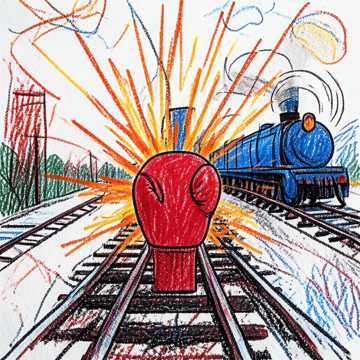
اضرب يا يو
نشيد قتالي حماسي يرافق يو في مواجهة شرسة داخل الحلبة، حيث تتحول دقات الطبول والقطار إلى قوة دفع رمزية تشجعه على الثبات، تفادي الضربات، والقتال حتى الجرس الأخير.
02:07
2 days ago

Fognigma
Fognigma is a compact, high energy surf rock instrumental built around clipped electric guitar riffs, a swinging backbeat, walking upright bass, and punchy drums. The repeated shouted hook adds comic mystery and crowd appeal, while brief instrumental breaks and a clean ending preserve its vintage dance hall momentum.
02:26
Invalid date
Shouted Hook: Definition, History, and Musical Characteristics
Shouted Hook is a music tag describing a memorable vocal phrase, chant, exclamation, or repeated lyric delivered with forceful, projected, or shouted vocals. The shouted hook usually functions as the most immediately recognizable part of a song, often appearing in the chorus, post-chorus, intro, breakdown, or call-and-response section. Unlike a conventional melodic hook, which may depend primarily on a sung melody, a Shouted Hook relies on vocal attack, rhythm, repetition, group energy, and audience participation. Common examples include short phrases such as arena chants, repeated exclamations, gang vocals, rhythmic slogans, and emphatic one-line refrains. Shouted Hook music can appear in rock, punk, metal, hip-hop, pop, electronic music, indie music, sports anthems, and soundtrack production. The technique has roots in communal singing, work chants, military calls, gospel call-and-response, blues shouts, and traditional folk performance. In the twentieth century, amplified rhythm and blues, soul, rock and roll, garage rock, punk, and hard rock made shouted vocals increasingly prominent. By the1970s and1980s, arena rock and stadium performance developed the shouted hook into a major songwriting and live-performance device, with bands using repeated vocal lines to turn large audiences into part of the arrangement. Hip-hop later expanded the form through hype phrases, crowd responses, ad-libs, and rhythmic vocal commands. Contemporary pop, dance, trailer, advertising, and game music continue to use Shouted Hook techniques because they communicate energy quickly and remain memorable after a short exposure. Shouted Hook is therefore best understood as a vocal and arrangement characteristic rather than a single formal genre. Its defining qualities are forceful delivery, strong rhythmic placement, repetition, clear wording, and a high potential for collective singing or response.
Shouted Hook Sub-Tags and Classifications
Arena Rock Shouted Hook
Arena Rock Shouted Hook uses large, open vocal phrases designed for stadiums, festivals, and live audience participation. The hook is commonly supported by distorted guitars, heavy drums, sustained chords, and pauses that leave space for the crowd to answer. The words are usually simple and highly repeatable, allowing thousands of listeners to sing together. This classification is associated with anthemic choruses, sports-event energy, and dramatic live arrangements.
Punk and Hardcore Shouted Hook
Punk and Hardcore Shouted Hook emphasizes urgency, rawness, and collective confrontation. Short slogans, repeated chorus lines, gang vocals, and shouted breakdown cues are common. The vocal may be intentionally rough or unpolished, reinforcing the music's direct relationship with underground performance and political or personal expression. In hardcore, the shouted hook often works together with abrupt rhythmic stops, mosh-oriented breakdowns, and audience call-backs.
Gang Vocal Hook
A Gang Vocal Hook is created by recording several voices together or layering multiple takes to produce the impression of a group shouting in unison. It adds scale, solidarity, and physical energy to a chorus or post-chorus. Gang vocals are common in rock, pop-punk, indie, folk-rock, hip-hop, and advertising music. The lyrics are often reduced to a few syllables, vowels, or repeated words so that the group texture becomes as important as the literal meaning.
Call-and-Response Shouted Hook
This Shouted Hook classification is built around an exchange between a lead vocalist and a backing group, audience, or instrumental response. The lead may issue a command or phrase while the group answers with a repeated word or chant. The structure draws on gospel, blues, soul, funk, African diasporic musical traditions, and live crowd interaction. It is particularly effective when a producer wants a track to feel participatory rather than like a one-way studio performance.
Sports Chant and Crowd Hook
Sports Chant and Crowd Hook music uses highly repetitive shouted phrases, rhythmic clapping, drum patterns, and simple melodic contours to support collective participation. These hooks are designed to remain intelligible in noisy environments and may be adapted for stadiums, promotional campaigns, team entrances, or championship broadcasts. The arrangement normally favors strong downbeats, short phrases, and clear gaps between vocal lines.
Hip-Hop Shout Hook
Hip-Hop Shout Hook combines rap cadence with emphatic vocal commands, ad-libs, crew responses, and repeated slogans. The hook may be delivered by the main rapper, a featured vocalist, a DJ-style hype voice, or a group of backing performers. Its rhythm is often tightly synchronized with the beat and may use syncopation, repetition, pitch manipulation, or contrast between a low spoken verse and a high-energy shouted chorus. This classification is common in party rap, trap, crunk, grime, and performance-oriented hip-hop.
Electronic and Dance Shouted Hook
Electronic and Dance Shouted Hook places an emphatic vocal phrase over a loop, build, drop, or festival-oriented beat. The vocal may be heavily processed, chopped, repeated, filtered, or layered with synthetic effects. A shouted hook can mark the transition into a drop, increase anticipation during a build-up, or provide a human focal point inside a largely instrumental production. The phrase is generally short enough to work as a rhythmic sample.
Pop Exclamation Hook
Pop Exclamation Hook uses brief vocal outbursts such as repeated words, open-vowel chants, or emphatic interjections to make a polished commercial track more immediate. The vocal does not have to sound aggressive; it may be bright, playful, celebratory, or dramatic. Modern pop production frequently layers the lead vocal with doubles, harmonies, pitch effects, and background shouts so the hook remains both radio-friendly and suitable for live performance.
Scream and Breakdown Hook
Scream and Breakdown Hook is associated with metalcore, post-hardcore, industrial rock, and related heavy styles. The shouted or screamed phrase often arrives at a structural turning point, such as a breakdown or instrumental drop, and is reinforced by a sudden change in tempo, guitar rhythm, or drum emphasis. The vocal acts as a physical rhythmic accent as much as a lyrical statement. This classification can range from controlled hardcore shouting to harsh screams and layered extreme-vocal textures.
Folk and Communal Shout Hook
Folk and Communal Shout Hook uses plainspoken, repeated, or group-delivered lines that evoke communal singing, work songs, pub songs, protest music, and traditional call-and-response. Acoustic instruments may be present, but the defining element is the shared vocal character. The hook often has a natural, unprocessed sound and is effective in scenes involving friendship, collective effort, public celebration, or cultural identity.
Famous Artists and Works Related to Shouted Hook
Queen
Queen helped establish the stadium-scale potential of the Shouted Hook through songs such as "We Will Rock You" and "We Are the Champions." The stomp-clap rhythm and repeated vocal phrases in "We Will Rock You" reduce the arrangement to a physical communal pulse, making the hook easy for audiences to reproduce without instruments. The band's work demonstrated how a shouted or chant-like vocal can become a global sports and live-event signal.
Queen - We Will Rock You
The song is built around a stomp-stomp-clap pattern that leaves substantial space for the vocal phrase. Instead of relying on a dense instrumental groove, it turns bodily movement into the foundation of the hook. The repeated title is delivered with the clarity and authority of a rallying cry, while the sparse arrangement makes audience participation easy. Its innovation is the integration of rhythm, chant, and venue acoustics into a compact rock composition. The song remains a defining example of arena-oriented Shouted Hook music because the listener can perform its central rhythm and vocal line without needing an instrument.
AC/DC
AC/DC developed a direct, high-impact approach to shouted hooks through songs such as "T.N.T.," "Thunderstruck," and "Dirty Deeds Done Dirt Cheap." Their hooks use concise phrases, forceful consonants, repeated titles, and tight alignment with guitar riffs. The band's contribution lies in showing how a simple shouted line can carry the identity of an entire hard-rock arrangement while remaining effective in a large venue.
AC/DC - T.N.T.
The central hook of "T.N.T." is a sequence of short, emphatic vocal phrases reinforced by hard-rock guitar and drums. The clipped wording gives the singer room to accent each syllable, while the repeated title creates strong mnemonic impact. The vocal performance is neither a soft melodic chorus nor an uncontrolled scream; it is a precisely timed rock shout. This balance between rhythmic discipline and raw force became a model for hard-rock Shouted Hook writing.
The Beatles
The Beatles used group vocals, repeated refrains, and emotionally charged exclamations in works including "Hey Jude" and "I Am the Walrus." The extended "na-na-na" coda of "Hey Jude" is not a shouted hook in a narrowly aggressive sense, but it demonstrates the same communal principle: a simple repeated vocal phrase gradually becomes a collective performance. Their studio layering and arrangement choices influenced later pop and rock approaches to participatory hooks.
The Beatles - Hey Jude
The long closing coda of "Hey Jude" demonstrates how a simple vocal refrain can expand into a communal event. The repeated "na-na-na" line is easy to learn, remains stable over a changing emotional arrangement, and gradually gains scale through orchestration and layered voices. Although the phrase is sung rather than aggressively shouted, it shares the core Shouted Hook qualities of repetition, collective delivery, and audience participation. Its innovation lies in transforming a conventional song ending into an extended participatory vocal space.
The Rolling Stones
The Rolling Stones made the shouted hook central to their blues-rock identity. "Start Me Up," "Jumpin' Jack Flash," and "Shattered" use Mick Jagger's sharp vocal attacks, repeated titles, and rhythmic exclamations to create hooks that feel both sung and shouted. Their work connects traditional blues shouts with modern rock performance and demonstrates how vocal attitude can be as memorable as melody.
The Clash - Should I Stay or Should I Go
The title question functions as a direct call that is reinforced by repeated response lines and a tight rock groove. The vocal hook is conversational, memorable, and easy for a crowd to repeat. The arrangement also uses backing vocals and contrasting language textures to make the chorus feel like an exchange rather than a single lead performance. The track illustrates how a Shouted Hook can carry both pop immediacy and punk attitude.
The Clash
The Clash used shouted hooks to combine punk urgency with political messaging and genre crossover. Tracks such as "Should I Stay or Should I Go" and "White Riot" use direct, repeatable vocal lines that invite audience response. Their contribution was to make the shouted hook a vehicle for social tension, identity, and confrontation while retaining strong pop accessibility.
Blur - Song2
The song's most recognizable moment is the explosive "woo-hoo" vocal following a deliberately restrained verse. The hook is largely nonverbal, yet its vowel sound and rhythmic placement make it instantly identifiable. The loud guitars, distorted production, and quiet-loud contrast create a physical impact that amplifies the shout. Its innovation is the use of an almost meaningless exclamation as a globally recognizable hook, proving that vocal energy and arrangement can communicate as strongly as detailed lyrics.
Blur
Blur's "Song2" is a major example of the compact alternative-rock Shouted Hook. The repeated "woo-hoo" phrase arrives after a loud, distorted instrumental surge and functions as both a lyric and a visceral sound effect. The song shows that a nonverbal shouted hook can cross into mainstream culture when it is placed inside a sharply contrasting quiet-loud arrangement.
The White Stripes - Seven Nation Army
The song's principal riff became one of the world's most recognizable crowd chants. In the recording, the low instrumental line provides the melodic identity, while its simple contour makes it easy to reproduce with voices. Stadium audiences later converted the riff into a wordless shouted hook, demonstrating that Shouted Hook culture can extend beyond the singer's original performance. The work is important because it shows how a concise musical motif can become a flexible public chant across sports, festivals, and popular culture.
The White Stripes
The White Stripes used stripped-down instrumentation and highly recognizable vocal repetition to make shouted hooks feel immediate and physical. "Seven Nation Army" is especially influential: its instrumental riff became a crowd chant at sporting events, while songs such as "Icky Thump" use direct vocal punctuation and garage-rock aggression. The band's work illustrates how a hook can migrate from a recorded song into an independent public chant.
Ramones - Blitzkrieg Bop
The repeated "Hey! Ho! Let's go!" phrase is a textbook gang-vocal hook. Its three-part structure uses short words, strong accents, and clear spaces between vocal units. The phrase works as a lyric, a rhythmic pattern, and a performance instruction, making it especially effective in live settings. The song's innovation is its extreme economy: a few shouted words become an identity marker for punk and a durable audience-participation device.
Ramones
The Ramones refined the short, fast, repeatable punk hook. Songs such as "Blitzkrieg Bop" use the repeated "Hey! Ho! Let's go!" chant as a structural and participatory centerpiece. Their approach made the shouted hook economical and instantly accessible, influencing punk, pop-punk, sports chants, advertising music, and later alternative rock.
The Prodigy - Firestarter
The shouted vocal in "Firestarter" is placed inside a dense electronic production built from breakbeats, distortion, synthesizers, and aggressive sound design. The vocal behaves almost like another percussion layer, with its harsh articulation adding attack to the beat. Rather than separating the hook from the electronic arrangement, the production fuses voice and rhythm into one abrasive event. This makes the track a significant example of Shouted Hook technique in electronic and dance music.
Run-D.M.C.
Run-D.M.C. brought shouted vocal commands and crew responses into the center of hip-hop performance. Songs such as "It's Tricky" and "King of Rock" demonstrate how repeated phrases, rhythmic delivery, and group vocal identity can create hooks without depending on a conventional sung chorus. Their work helped define the relationship between MC, audience, DJ, and live-event energy.
Beastie Boys
The Beastie Boys expanded the Shouted Hook through energetic group rapping, interlocking ad-libs, and memorable call-and-response phrases. Tracks such as "Fight for Your Right" and "Sabotage" show how shouted delivery can move between hip-hop, punk, and hard rock. Their contribution was especially important in making aggressive group vocals playful, theatrical, and highly adaptable.
The Prodigy
The Prodigy used shouted vocals as rhythmic impact inside electronic dance music. "Firestarter" and "Breathe" combine abrasive vocal delivery with programmed beats, distorted textures, and highly dramatic drops. Their work demonstrates how a Shouted Hook can function as an electronic sound-design element, not only as a traditional chorus.
Shouted Hook Application Scenarios
Shouted Hook music is effective in action, sports, comedy, and coming-of-age trailers because a short vocal phrase can establish urgency within seconds. A production may place a shouted line immediately before a title reveal, impact hit, fight montage, or dramatic drop. Layered gang vocals can make the trailer feel larger, while a single processed shout can create a sharp transition point. The phrase should be concise and mixed clearly enough to remain intelligible over orchestral hits, distorted guitars, or heavy percussion.
Movie Trailers and Action Soundtracks
Stadiums require music that remains recognizable in loud, reverberant environments. Shouted Hook music is well suited to team entrances, goal celebrations, highlight reels, championship ceremonies, and supporter chants. Simple repeated words, strong downbeats, and deliberate pauses allow audiences to join in. A custom sports Shouted Hook may combine the team's name, a city slogan, or a short motivational phrase with drums, brass, rock guitar, or electronic bass.
Sports Broadcasts and Stadium Events
A shouted hook can help an advertisement create instant recall, especially when the brand name or campaign slogan is short and rhythmically clear. Advertising producers may use a clean group chant for a family-oriented campaign, a pop exclamation for a youth brand, or a hard-rock shout for an automotive, sportswear, or action-oriented product. The hook should support the brand's identity without becoming difficult to understand, and the final mix should preserve the words on mobile speakers and television systems.
Advertising and Brand Campaigns
Game music uses Shouted Hook techniques to reinforce combat, team identity, victory screens, boss encounters, and competitive multiplayer moments. A short vocal command can mark a level transition or special ability, while repeated group shouts can make a faction, team, or event feel culturally distinct. In interactive music, the hook may be triggered by gameplay states and layered over adaptive percussion, allowing the vocal intensity to increase as the player approaches a major objective.
Video Game Trailers and Gameplay
Shouted Hook music supports physical activity by providing clear rhythmic cues and a sense of group motivation. Repeated vocal commands can accompany running intervals, strength-training sets, cycling peaks, or team drills. Producers often use four- or eight-bar phrases, strong kick drums, and vocal accents placed on the downbeat so the hook functions as both musical content and movement guidance.
Fitness, Workout, and Sports Training Music
A live performer can use a Shouted Hook to give the audience an immediate role in the arrangement. The singer may divide the crowd into call-and-response sections, stop the instrumental backing for an unaccompanied chant, or bring in layered backing vocals during the final chorus. This approach increases participation and gives a song a recognizable live identity that may differ from its studio version.
Live Concerts and Festival Performances
In band-oriented music, a shouted hook can increase the sense of urgency and make a chorus more physical. Guitar riffs, drum fills, bass breaks, and sudden stops can be arranged around the vocal phrase. Gang vocals are particularly useful for reinforcing themes of solidarity, rebellion, friendship, or frustration. The hook may be recorded with minimal editing to preserve the roughness and immediacy associated with live rock performance.
Punk, Rock, and Alternative Music
Hip-hop Shouted Hook music can energize a room through hype phrases, crew responses, repeated ad-libs, and direct commands. A DJ or MC may use a vocal sample to introduce a beat drop, signal a transition, or invite the audience to respond. The hook can be tightly synchronized with the kick and snare or deliberately offset to create rhythmic tension. Clear diction and strong rhythmic placement are especially important in crowded club environments.
Hip-Hop Cyphers, Party Music, and DJ Sets
Electronic producers use shouted hooks during builds, pre-drops, drops, and breakdowns. A vocal phrase may be repeated with filters, delays, distortion, chopping, or pitch changes before the full beat returns. The shouted voice provides a human focal point within a synthetic arrangement and can help listeners anticipate the next structural event. Short phrases with strong consonants are generally easier to process and repeat than long lyrical passages.
Electronic Dance Music and Festival Drops
Because Shouted Hook music naturally encourages synchronized participation, it can support charity events, school rallies, public celebrations, and community campaigns. A leader can deliver the first half of a phrase while a group answers with a fixed response. The most effective arrangements use inclusive language, a comfortable vocal range, and a rhythm that participants can follow without rehearsal.
Team-Building, Public Events, and Community Campaigns
A very short shouted phrase can function as a sonic logo or recurring identity marker in short-form video, online campaigns, and social media content. The phrase may be paired with a percussive hit, a visual transition, or a repeated editing pattern. Since short-form content often has limited attention time, a Shouted Hook can communicate confidence and memorability faster than a full melodic theme. The vocal should be distinctive, legally cleared, and consistent across different versions of the campaign.
Brand Identities, Sonic Logos, and Short-Form Video