
Free Spoken Rap Music Generator Powered by AI
Turn text into high-quality Spoken Rap music effortlessly – no login required!

music.toolTips
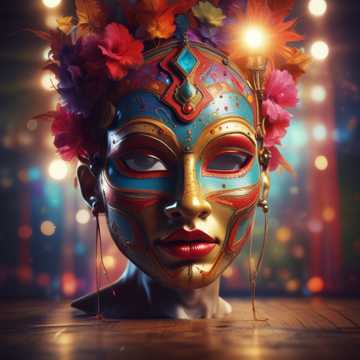
harlekin
„Harlekin“ beleuchtet den inneren Konflikt zwischen äußeren Erwartungen und innerem Schmerz, während es die Zuhörer in einen bunten, melancholischen Zirkus eintauchen lässt.
03:24
2024-10-22
Introduction to Spoken Rap: Definition, History, and Origins
Spoken Rap is a genre that blends elements of traditional rap and spoken word poetry. Unlike conventional rap, where the emphasis is placed on rhythm and rhyme, Spoken Rap focuses more on the delivery of lyrics in a rhythmic yet often less melodic style. The genre emerged from the broader rap and hip-hop movements in the late 20th century, with roots in African American oral traditions and storytelling. Artists began to incorporate more profound, narrative-driven content in their music, moving away from the dance beats and party themes that were dominant in early rap. Early examples of Spoken Rap can be traced back to the 1970s and 1980s, when artists like Gil Scott-Heron and The Last Poets laid the groundwork for fusing poetry with music. Over time, Spoken Rap became more widespread, and its influences can be heard in a wide range of genres, from alternative hip-hop to modern rap and even in film and theater soundtracks.
Sub-tags and Classifications of Spoken Rap
Poetry-influenced Spoken Rap
This classification emphasizes the literary aspects of Spoken Rap, whereSpoken Rap content generation the lyrics are akin to poetry, focusing on storytelling, social commentary, and emotional expression. Artists in this sub-tag tend to use less conventional beats, allowing their words to take center stage. Notable examples include the work of artists like Saul Williams and Aesop Rock, who craft intricate verses filled with personal and political narratives.
Political Spoken Rap
Political Spoken Rap focuses on delivering powerful messages about social justice, inequality, and activism. Often serving as a platform for political expression, this sub-tag combines the intensity of rap with the thought-provoking nature of spoken word. Artists like Killer Mike and Immortal Technique are prominent figures in this category, using their lyrics to challenge societal norms and spark discourse.
Narrative Spoken Rap
Narrative Spoken Rap is a sub-tag where the artist tells a story or presents a scene through their verses. It often features detailed, vivid imagery and is less concerned with traditional rap structures and more focused on engaging the listener with a compelling narrative. This can be found in the works of artists like The Roots and MF DOOM, who mix storytelling with the rhythmic flow of rap.
Experimental Spoken Rap
Experimental Spoken Rap pushes the boundaries of the genre, often blending unconventional sounds, samples, and techniques into the spoken word format. This sub-tag is typically used by artists who wish to explore the limits of the spoken word, creating unique and innovative auditory experiences. An example is Death Grips, who integrate chaotic, experimental beats with spoken rap.
Famous Artists and Iconic Works in Spoken Rap
Gil Scott-Heron
Often referred to as the 'godfather of rap,' Gil Scott-Heron blended spoken word poetry with jazz, blues, and early rap, paving the way for Spoken Rap as a genre. His groundbreaking work 'The Revolution Will Not Be Televised' is a seminal piece that mixes social and political commentary with a rhythmic spoken word style.
The Revolution Will Not Be Televised
A landmark work by Gil Scott-Heron, this track exemplifies the early fusion of spoken word and rap. The song's political themes—addressing social injustice and the disillusionment of the American public—are delivered in a rhythmic, spoken delivery over a smooth jazz backdrop. Its call for change has made it a timeless anthem for activists.
Saul Williams
Saul Williams is known for his fusion of poetry, rap, and experimental sounds. His albums, such as 'Amethyst Rock Star,' combine deep spoken word with rap rhythms, exploring themes of spirituality, politics, and personal transformation. Williams is also a key figure in bringing spoken word to the mainstream music scene.
Amethyst Rock Star
Saul Williams' 'Amethyst Rock Star' is a pivotal album in the world of Spoken Rap. The album blends electronic beats, rock influences, and poetry to create a new genre-defying sound. The tracks, such as 'List of Demands,' explore personal empowerment, rebellion, and societal critique through a mixture of poetry and rap.
Killer Mike
A prominent figure in political Spoken Rap, Killer Mike uses his platform to address issues of race, class, and injustice. His work with Run the Jewels and his solo album 'R.A.P. Music' combines hard-hitting rap with thought-provoking, socially aware lyrics.
R.A.P. Music
Killer Mike's 'R.A.P. Music' is a politically charged album that delves deep into the social and racial issues affecting America. The title track, in particular, stands out for its combination of hard-hitting rap verses and the spoken word delivery of his politically conscious lyrics. The album helped solidify Killer Mike's position as a major force in contemporary political rap.
Aesop Rock
Aesop Rock is renowned for his intricate lyrics and dense, abstract storytelling. While his music often features traditional rap elements, his delivery is closer to spoken word, with a focus on the poetic and intellectual depth of his verses. His album 'Labor Days' is a great example of narrative-driven Spoken Rap.
Applications of Spoken Rap in Various Scenarios
Spoken Rap is often used in movie soundtracks to enhance the emotional depth of a scene. For instance, in films dealing with social justice or personal struggle, the narrative style of Spoken Rap can heighten the intensity of the story being told. A prime example is the use of Gil Scott-Heron’s 'The Revolution Will Not Be Televised' in documentaries and films about activism.
Movie Soundtracks
Brands increasingly turn to Spoken Rap in advertising for its ability to convey a message quickly and effectively while maintaining a rhythmic and captivating delivery. For example, ads focusing on social change or promoting a progressive stance often feature political Spoken Rap, like the work of Killer Mike in commercials advocating for equality and fairness.
Advertising Music
Spoken Rap is sometimes used in video games, particularly in titles with deep narrative or social themes. Games like 'Grand Theft Auto' or 'Street Fighter' may incorporate elements of spoken word to enhance the immersive experience, using rap as both a storytelling tool and a way to set the tone of the game world.
Game Background Music
Spoken Rap is also a popular genre in live spoken word performances, where the emphasis is on delivering compelling, rhythmic, and engaging narratives to an audience. This form is often seen in poetry slams or open-mic events where artists perform their verses live, blending the art of poetry with rap.
Spoken Word Performances