
Free Train Rhythm Music Generator Powered by AI
Turn text into high-quality Train Rhythm music effortlessly – no login required!

music.toolTips
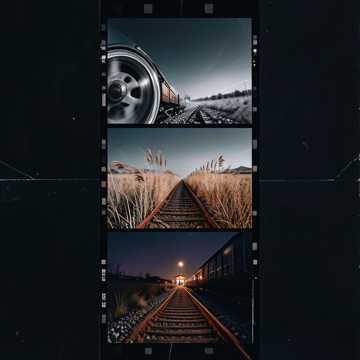
دقّات قلبي
رحلة داخلية لشخص يواجه الألم والوحدة والصدام، لكنه يرفض الاستسلام. يستخدم القطار رمزًا لاستمرار الحياة، بينما تتحول دقّات القلب إلى إيقاع للصمود، واستعادة الذات، والتمسك بالأمل رغم ثقل الطريق.
03:06
2 days ago
أنا الإعصار
تضع الأغنية المستمع في حلبة مواجهة تتحول فيها الخيبات والخوف إلى وقود للعزيمة. تتصاعد المقاطع فوق إيقاع يحاكي القطار نحو لازمة هتافية، فيما تمنح الوتريات والنحاس والقرع المعدني المشهد طابعاً سينمائياً يناسب التدريب ولحظات التحدي والانتصار.
02:49
2 days ago
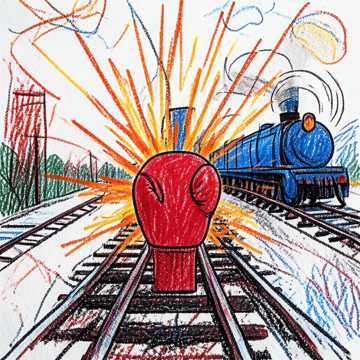
اضرب يا يو
نشيد قتالي حماسي يرافق يو في مواجهة شرسة داخل الحلبة، حيث تتحول دقات الطبول والقطار إلى قوة دفع رمزية تشجعه على الثبات، تفادي الضربات، والقتال حتى الجرس الأخير.
02:07
2 days ago
Beim EVU-AT&co-EXPRESS
Der Song beschreibt einen besonderen Zug, in dem Status, Reichtum, Bildung und Herkunft keine Rolle spielen. Mit humorvollen Figuren, eingängigem Refrain und ausgelassener Country-Energie feiert er Menschlichkeit, Gleichheit und ein gemeinsames Ankommen jenseits gesellschaftlicher Hierarchien.
04:53
3 days ago
Boogie - Woogie N1
A high-speed instrumental boogie-woogie showcase built on relentless piano bass, syncopated riffs, upright-bass slaps, and crisp swing drums. Its virtuoso solos, playful breaks, and abrupt finale capture the raw excitement of a packed1940s dance hall.
03:17
5 days ago
Train Rhythm: Definition, History, and Musical Characteristics
Train Rhythm is a music tag describing compositions built around the repeating pulse, mechanical motion, and atmospheric imagery of a moving train. Train Rhythm music commonly uses steady ostinatos, rhythmic loops, percussive patterns, low-frequency pulses, wheel-like repetitions, station announcements, whistle effects, and gradual changes in intensity to suggest acceleration, travel, distance, and forward momentum. It is better understood as a thematic and production category than as a single formal music genre, because Train Rhythm can appear in electronic music, cinematic scoring, folk, blues, rock, ambient music, jazz, hip-hop, and game soundtracks. The musical idea has deep roots in work songs and traditional railroad songs, where repeated vocal phrases and regular beats reflected labor, travel, and the movement of trains. During the nineteenth and early twentieth centuries, folk, country, blues, and popular songwriters used train imagery to express migration, freedom, separation, industrial progress, and adventure. In the twentieth century, composers and producers increasingly recreated train movement through ostinato bass lines, rhythmic guitar strumming, drum-machine patterns, tape loops, synthesizers, and recorded locomotive sounds. Modern Train Rhythm music often combines acoustic train ambience with electronic sequencing, cinematic arrangement, or dance-oriented repetition. Its defining quality is the relationship between rhythm and motion: the listener should feel a consistent journey, a changing landscape, or the powerful mechanical energy of a railway.
Train Rhythm Sub-Tags and Classifications
Steam Train Rhythm
Steam Train Rhythm focuses on the organic, irregular, and highly recognizable sounds of steam locomotives. Musical arrangements may imitate the chug of pistons, the release of steam, the ringing of bells, and the dramatic blast of a whistle. Drums, low brass, tom patterns, acoustic percussion, and sampled locomotive effects are often used to create a warm historical atmosphere. This classification is suitable for period films, railroad documentaries, western scenes, heritage railway content, and nostalgic travel music.
Freight Train Rhythm
Freight Train Rhythm emphasizes weight, repetition, and industrial power. It commonly features a heavy kick drum, repeating bass figures, metallic percussion, distorted guitar, low synthesizers, or slow-to-mid-tempo grooves. The rhythm may feel deliberate and massive, evoking long cargo trains crossing industrial landscapes at night. This Train Rhythm style works well in action scenes, industrial videos, dramatic trailers, transportation documentaries, and music requiring a strong sense of physical momentum.
High-Speed Train Rhythm
High-Speed Train Rhythm is designed to communicate velocity and modern technology. Fast electronic sequences, bright arpeggios, rapid hi-hat patterns, pulsing bass, and rising transitions can imitate acceleration and the changing view outside a train window. Compared with traditional railroad music, this classification is usually cleaner, more precise, and more futuristic. It is frequently used in technology advertising, science-fiction soundtracks, racing games, urban travel videos, and energetic promotional content.
Train Ride Ambient
Train Ride Ambient uses subtle rhythmic repetition and environmental sound rather than an obvious beat. It may combine soft rail clicks, distant horns, station ambience, sustained pads, piano, field recordings, and slowly evolving textures. The rhythm remains understated, allowing the music to support concentration, relaxation, reading, travel footage, or reflective scenes. Train Ride Ambient is especially useful when the goal is to suggest a long journey and changing scenery without creating a strongly dramatic mood.
Railroad Folk and Country
Railroad Folk and Country connects Train Rhythm with acoustic storytelling traditions. Guitar strumming, banjo, harmonica, fiddle, hand percussion, and repeated vocal refrains create a natural sense of travel and movement. Lyrics often explore departure, migration, work, loneliness, freedom, or the hope of reaching another place. The rhythm may imitate the click of wheels over rails while leaving space for a singer and narrative.
Train Blues and Boogie
Train Blues and Boogie uses shuffle rhythms, walking bass lines, repeated piano figures, guitar riffs, and expressive vocals to capture the energy of railway travel. The style is often more syncopated and danceable than ambient Train Rhythm music. Its musical language developed alongside blues and early popular music, where trains frequently symbolized escape, movement, desire, or separation. This classification is effective for retro scenes, roadside stories, vintage advertising, and roots-inspired compositions.
Electronic Train Rhythm
Electronic Train Rhythm is built from sequencers, drum machines, synthesizers, sampled rail sounds, sidechain compression, and loop-based production. Producers can precisely control the speed, density, and texture of the rhythm to imitate a stationary train, gradual acceleration, or high-speed travel. Electronic Train Rhythm may overlap with techno, ambient, synthwave, drum and bass, or experimental music, making it useful for modern media, interactive installations, and digital games.
Cinematic Train Rhythm
Cinematic Train Rhythm uses orchestration and sound design to shape a narrative journey. Repeating strings or low ostinatos can establish the train's motion, while brass, percussion, piano, and changing harmonic layers create suspense, wonder, melancholy, or triumph. The tempo can increase as a train departs or slow as it reaches a destination. This classification is particularly suitable for film scores, television drama, documentaries, trailers, and story-driven game sequences.
Train Station and Departure Rhythm
This sub-tag focuses on the social and dramatic atmosphere of stations rather than continuous travel. It may include ticking percussion, platform announcements, footsteps, bell sounds, crowd ambience, short melodic phrases, and pauses that suggest waiting or imminent departure. The music can communicate anticipation, reunion, missed connections, or the transition between locations. It is valuable for opening scenes, travel content, advertisements, and narrative moments centered on decisions or departures.
Famous Artists and Works Related to Train Rhythm
Arthur Honegger
Arthur Honegger made one of the most influential orchestral contributions to train-inspired music with Pacific231. The work uses orchestral rhythm, dense harmony, and gradual intensification to portray a powerful locomotive beginning its journey, gathering speed, and moving with enormous force. Honegger demonstrated that the physical mechanics of a train could become the structural foundation of serious concert music.
Pacific231 - Arthur Honegger
Pacific231 is a landmark orchestral representation of locomotive movement. Rather than simply adding train sound effects, Honegger organizes the music around the physical stages of motion: the engine is prepared, begins to move, accelerates, reaches full power, and continues with sustained momentum. Repeated rhythmic figures create mechanical continuity, while expanding orchestral density and rising energy suggest increasing speed. The work is innovative because the train is not merely a subject of description; it becomes the model for the composition's form, rhythm, and dramatic development.
Duke Ellington
Duke Ellington explored train imagery and locomotive momentum through jazz orchestration, especially in works such as Happy-Go-Lucky Local. His arrangements use swinging rhythm, brass accents, ensemble layering, and changing instrumental colors to evoke the excitement of a train journey. Ellington expanded Train Rhythm beyond literal imitation by turning railway motion into sophisticated urban jazz expression.
Different Trains - Steve Reich
Different Trains combines string quartet performance with recordings of train sounds and spoken memories. The speech contours are transformed into instrumental melodies, allowing the voices to function as both documentary testimony and musical material. The work contrasts the comfortable train journeys Reich experienced as a child in the United States with the trains associated with the Holocaust in Europe. Its Train Rhythm is created through repeated patterns, sampled motion, and the tension between ordinary travel and traumatic history, making it both technically innovative and emotionally complex.
Steve Reich
Steve Reich's Different Trains is a landmark example of experimental Train Rhythm. The piece combines recorded speech, train sounds, and string instruments, using sampled voices as melodic and rhythmic material. Its contrasting train journeys connect personal memory with the historical experience of wartime Europe. Reich's contribution lies in treating recorded reality, speech patterns, and repetitive instrumental processes as equal parts of the composition.
Trans-Europe Express - Kraftwerk
Trans-Europe Express uses a deliberately repetitive electronic groove to suggest the smooth, continuous movement of a modern train. Sequenced synthesizers, minimal percussion, metallic timbres, and controlled vocal delivery create an atmosphere that is simultaneously futuristic and understated. The track's innovation lies in its ability to turn transportation technology into a complete electronic aesthetic. Its steady pulse and machine-like precision became important reference points for techno, electro, synth-pop, and contemporary Train Rhythm production.
Johnny Cash
Johnny Cash helped establish the train as a central image in country, folk, and popular music. Songs such as Folsom Prison Blues and City of New Orleans use direct storytelling, memorable pulse, and railroad imagery to connect travel with freedom, confinement, identity, and social experience. His plain vocal delivery and strongly marked rhythm made train-related themes accessible to a broad audience.
Chattanooga Choo Choo - Glenn Miller
Chattanooga Choo Choo presents train travel through a bright swing arrangement and an easily remembered narrative. The walking rhythm, brass writing, vocal exchanges, and locomotive references work together to create a sense of departure and celebration. The recording is significant because it shows how Train Rhythm can be accessible, melodic, and danceable rather than purely atmospheric or experimental. Its combination of transportation imagery and polished popular arrangement influenced later railway-themed songs and media music.
Kraftwerk
Kraftwerk brought mechanized transportation into electronic pop through works including Trans-Europe Express. Repeating synthesizer patterns, sequenced bass, restrained percussion, and machine-like precision create a hypnotic sense of continuous travel. Their approach strongly influenced electronic Train Rhythm, techno, synth-pop, and later producers who use sequencers to represent trains and modern transportation.
City of New Orleans - Steve Goodman
City of New Orleans uses a flowing folk-country rhythm to describe passengers, landscapes, and everyday life aboard a long-distance train. The arrangement leaves space for the lyrics while maintaining a consistent forward pulse, allowing the listener to experience the journey through successive scenes. Its strength is narrative realism: Train Rhythm supports observation and storytelling instead of relying only on sound effects. The song became an important model for travel songs that connect railway movement with community and changing geography.
The Chemical Brothers
The Chemical Brothers used electronic repetition, distorted textures, and powerful dance production to evoke the speed and intensity of a moving train. Their work Hey Boy Hey Girl is not a literal train composition, but it demonstrates production techniques frequently associated with Electronic Train Rhythm: relentless loops, strong low-end energy, gradual layering, and a physical feeling of propulsion. Their influence can be heard in action trailers, sports edits, and high-energy travel media.
Happy-Go-Lucky Local - Duke Ellington
Happy-Go-Lucky Local translates the sound and atmosphere of a local train into a lively jazz setting. The groove suggests regular movement, while changing instrumental colors and ensemble accents depict the energy of stops, starts, passengers, and city travel. Ellington's arrangement shows how Train Rhythm can be expressed through swing feel, brass punctuation, and orchestral contrast. The work is especially notable for transforming a familiar transportation experience into a distinctive piece of big-band storytelling.
Glenn Miller
Glenn Miller's Chattanooga Choo Choo is a classic example of train imagery in swing-era popular music. The recording combines a buoyant big-band groove, vocal storytelling, call-and-response writing, and memorable instrumental colors to create an inviting picture of rail travel. Its polished arrangement helped establish the train as a lively, optimistic subject in mainstream music.
Train Rhythm Application Scenarios
Train Rhythm can underscore departure, pursuit, reunion, migration, historical travel, or a character's emotional transition. A low repeating pulse can accompany a train leaving a station, while faster percussion and rising orchestration can intensify a chase or action sequence. Ambient rail sounds and restrained piano are effective for reflective journeys, period dramas, and scenes viewed through a train window.
Movie and Television Soundtracks
Transportation companies, automobile brands, travel agencies, logistics businesses, and technology companies can use Train Rhythm to communicate reliability, speed, connection, and progress. A precise electronic train pulse suits a high-speed rail advertisement, while an acoustic railroad groove can support a heritage tourism campaign. The rhythm gives short promotional videos an immediate sense of forward movement.
Advertising and Brand Videos
Train Rhythm works well as background music for railway simulators, strategy games, adventure games, racing games, and science-fiction environments. Different classifications can represent different gameplay conditions: a heavy Freight Train Rhythm for industrial zones, High-Speed Train Rhythm for fast travel, and Train Station Ambient for menus or exploration areas. Interactive music systems can gradually increase tempo and instrumentation as the player's train accelerates.
Video Games
Documentaries can use Train Rhythm to connect landscape footage, historical narration, and the physical experience of rail travel. Natural wheel clicks and station ambience can preserve realism, while a carefully arranged musical pulse adds continuity between locations. Folk, ambient, and cinematic Train Rhythm styles are particularly effective for showing scenic railways, cultural routes, and railway history.
Travel Films and Railway Documentaries
A short train pulse or station soundscape can establish a setting immediately in a podcast, audio drama, or radio feature. Subtle rhythmic loops can separate chapters, introduce travel stories, or create suspense without covering dialogue. Because Train Rhythm contains recognizable environmental signals, it can communicate location and movement even when the audience cannot see the scene.
Podcasts, Radio, and Audio Storytelling
Producers can use Train Rhythm as a foundation for electronic, hip-hop, rock, blues, country, ambient, or cinematic tracks. Repeating rail-like percussion can provide a hook, while a bass ostinato can supply consistent momentum beneath vocals. Sampling or recreating wheel clicks, whistles, brakes, and station ambience allows artists to build a distinctive identity while adapting the train theme to their chosen genre.
Commercial and Independent Music Production
Train Rhythm is suitable for concerts, museum exhibits, railway heritage events, dance performances, and audiovisual installations. Performers can synchronize lighting, projected landscapes, and recorded railway sounds with an evolving musical pulse. A composition may begin with isolated mechanical sounds, develop into a full rhythmic journey, and then dissolve into distant ambience as the imagined train reaches its destination.
Live Performances and Multimedia Installations
Slow Train Ride Ambient music can combine gentle rail clicks, soft low-frequency repetition, warm pads, and restrained melodies to create a stable listening environment. The predictable rhythm may support reading, studying, meditation, or relaxation, provided the arrangement remains balanced and avoids sudden whistles or excessive bass. This application uses Train Rhythm for continuity and atmosphere rather than dramatic motion.
Focus, Relaxation, and Sleep Content