
Free Tsugaru shamisen Music Generator Powered by AI
Turn text into high-quality Tsugaru shamisen music effortlessly – no login required!

music.toolTips

Your Key Is in the Bowl
A restrained farewell unfolds through household remnants, an untouched key, and the distant sound of a departing train. Intimate grief contrasts with an aggressive acoustic metal arrangement, while shamisen virtuosity and a dramatic outro transform quiet separation into an epic emotional release.
04:00
6 days ago
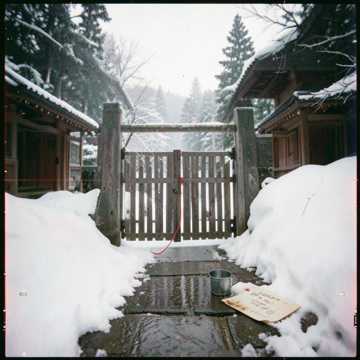
Keep Your Name
A solitary narrator preserves a lost lover’s name through winter, rain, and vanishing traces. Red thread, paper charms, temple doors, and the sea embody memory and mourning, while the final journey transforms devotion into acceptance: the past may disappear, but identity and love endure.
04:00
6 days ago
Tsugaru Shamisen: Definition, History, and Musical Identity
Tsugaru Shamisen is a vigorous regional style of Japanese shamisen music associated with the Tsugaru area of northern Aomori Prefecture. The instrument is a three-stringed Japanese lute with a long neck, a resonant wooden body, and a skin-covered soundboard. In Tsugaru Shamisen performance, the player commonly uses a large bachi pick to produce powerful attacks, rapid tremolo, dramatic rhythmic accents, slides, muted strikes, and highly ornamented melodic phrases. Unlike more restrained shamisen traditions used primarily for vocal accompaniment, modern Tsugaru Shamisen is often performed as a virtuosic solo style in which the instrument carries melody, rhythm, texture, and improvisational expression at the same time. The historical roots of Tsugaru Shamisen can be traced to the late nineteenth and early twentieth centuries. The shamisen itself had arrived in Japan centuries earlier and had developed through several traditions, including folk, theatrical, and narrative music. In the Tsugaru region, itinerant blind musicians known as bosama performed shamisen music in villages, inns, markets, and private homes. Their repertoire gradually absorbed local folk melodies, dance rhythms, and the expressive techniques of minyo accompaniment. Because many performers worked independently and adapted their playing to different audiences, Tsugaru Shamisen developed a strong culture of variation and personal interpretation. The style became especially prominent through the growth of Tsugaru minyo, or folk song, including Tsugaru Jongara Bushi, Tsugaru Ohara Bushi, and Tsugaru Yosare Bushi. During the twentieth century, performers increasingly presented Tsugaru Shamisen as a standalone instrumental art. Takahashi Chikuzan was particularly important in bringing the raw emotional intensity of the tradition to concert stages and recordings. From the postwar period onward, competitions, professional tours, recordings, television appearances, and international performances helped establish Tsugaru Shamisen as one of the best-known forms of Japanese traditional music. Contemporary Tsugaru Shamisen combines regional heritage with innovation. Some musicians preserve traditional folk-song structures and older playing techniques, while others create original compositions that incorporate jazz, rock, blues, electronic music, orchestral writing, or contemporary world music. The central identity of Tsugaru Shamisen remains its forceful sound, rhythmic vitality, improvisational freedom, and close connection to the musical culture of northern Japan.
Tsugaru Shamisen Sub-Tags and Musical Classifications
Tsugaru Jongara Bushi
Tsugaru Jongara Bushi is the most internationally recognized repertoire category associated with Tsugaru Shamisen. It began as a regional folk song and developed into a major vehicle for instrumental performance. The melody, rhythmic patterns, and sectional structure can vary considerably from one performer to another. In solo Tsugaru Shamisen, the music often begins with a measured introduction before moving into increasingly energetic phrases, dense ornamentation, repeated motifs, and climactic passages. Modern performers frequently create personal versions of Jongara Bushi, making it an important example of how tradition and improvisation coexist.
Tsugaru Ohara Bushi
Tsugaru Ohara Bushi is a traditional Tsugaru folk-song style with a more lyrical and song-centered character than the most aggressive forms of Tsugaru Jongara Bushi. Its melodic contours often leave room for expressive bending, sustained notes, and nuanced phrasing. In shamisen arrangements, the performer may emphasize the relationship between vocal melody and instrumental ornamentation. Tsugaru Ohara Bushi is useful for understanding the connection between Tsugaru Shamisen and the broader Aomori minyo tradition.
Tsugaru Yosare Bushi
Tsugaru Yosare Bushi is another important regional folk-song category associated with Tsugaru music. It is known for a distinctive rhythmic drive and a strong relationship to dance and communal performance. Tsugaru Shamisen arrangements of Yosare Bushi may use repeated rhythmic figures, sharp bachi attacks, and accelerating energy. The style demonstrates how Tsugaru Shamisen can function as both a melodic instrument and a highly percussive rhythmic instrument.
Traditional Folk-Song Accompaniment
In traditional settings, Tsugaru Shamisen may accompany a singer performing regional minyo. This classification emphasizes the shamisen's role in supporting vocal phrasing, maintaining pulse, answering the singer, and filling transitions with short decorative figures. The approach generally requires sensitivity to breath, text, and local melodic style, rather than focusing exclusively on instrumental virtuosity.
Solo Tsugaru Shamisen
Solo Tsugaru Shamisen is the concert-oriented form most commonly associated with modern audiences. A single player creates a full musical texture through melody, bass-like resonance, rhythmic punctuation, tremolo, slides, harmonics, muted notes, and percussive strikes on the instrument's body or strings. Solo performance often includes improvisation, and competitions traditionally encourage musicians to demonstrate individuality, technical control, musical development, and a compelling sense of climax.
Tsugaru Shamisen Duets and Ensembles
Duet and ensemble performance expands Tsugaru Shamisen beyond its solo tradition. Two or more players may alternate melodic statements, play in unison, create antiphonal exchanges, or divide roles between rhythmic ostinatos and lead improvisation. Contemporary groups may add percussion, koto, shakuhachi, bass, guitar, keyboards, or Western orchestral instruments. Ensemble Tsugaru Shamisen is especially effective in stage productions and crossover music because its bright attack remains audible within a dense arrangement.
Traditional-Style Tsugaru Shamisen
Traditional-style Tsugaru Shamisen focuses on regional repertoire, established performance conventions, folk-song accompaniment, and the characteristic tone of the instrument. It may use older repertoire and preserve techniques associated with local masters. This classification is appropriate for cultural events, folk festivals, educational demonstrations, and performances that emphasize the historical identity of Aomori and northern Japanese music.
Contemporary and Crossover Tsugaru Shamisen
Contemporary Tsugaru Shamisen uses the traditional instrument and techniques in new musical contexts. Artists may combine Tsugaru Shamisen with rock, jazz, hip-hop, electronic production, pop, film scoring, or orchestral music. Crossover arrangements often highlight the instrument's percussive attack and dramatic tone while adding modern harmony, amplified effects, looping, and studio processing. This category has played a major role in introducing Tsugaru Shamisen to younger and international audiences.
Improvisational Tsugaru Shamisen
Improvisation is a defining feature of much modern Tsugaru Shamisen performance. Rather than reproducing one fixed arrangement, performers develop a musical statement through variation, repetition, rhythmic displacement, register changes, and spontaneous embellishment. Improvisational Tsugaru Shamisen rewards strong listening skills and a clear sense of musical pacing. The performer must balance traditional melodic vocabulary with personal expression.
Tsugaru Shamisen Technique and Performance Style
Technical classification can include bachi technique, tremolo, rapid alternate picking, slides, hammer-ons and pull-offs, muted articulation, string bending, harmonics, and body percussion. The sound is often produced through a combination of forceful bachi contact and controlled left-hand movement. A modern Tsugaru Shamisen performance may shift rapidly from sparse, spacious phrases to dense virtuosic passages, creating a dramatic sense of tension and release.
Famous Tsugaru Shamisen Artists and Representative Works
Takahashi Chikuzan
Takahashi Chikuzan was one of the most influential twentieth-century performers of Tsugaru Shamisen. Born in Aomori Prefecture, he developed a highly personal solo style characterized by emotional intensity, powerful bachi attacks, flexible rhythm, and extensive variation. His performances of Tsugaru Jongara Bushi and other regional pieces helped establish solo Tsugaru Shamisen as a serious concert form. He also contributed to the international recognition of the tradition through recordings, tours, and stage appearances. His life and artistic philosophy are closely associated with the film and documentary tradition surrounding Chikuzan.
Tsugaru Jongara Bushi
Tsugaru Jongara Bushi is the signature repertoire of Tsugaru Shamisen, although it should be understood as a living family of versions rather than one universally fixed composition. In traditional contexts it is connected to vocal folk song, while in modern solo performance it often becomes an extended instrumental showcase. A typical arrangement may introduce the central melodic material, repeat it with increasing decoration, and build toward a technically intense climax. Important musical features include sharp bachi articulation, rapid tremolo, syncopated accents, slides, rhythmic elasticity, and dramatic pauses. The piece is innovative because each performer can preserve its identity while creating a distinct personal interpretation.
Yamada Chisato
Yamada Chisato is recognized as an important modern Tsugaru Shamisen performer and teacher. Her playing demonstrates the balance between traditional technique, precise articulation, and expressive solo interpretation. Through performance and instruction, she has helped transmit Tsugaru Shamisen repertoire and technique to new generations. Her work represents the continuing role of women performers and educators in the development of the contemporary Tsugaru Shamisen community.
Tsugaru Ohara Bushi
Tsugaru Ohara Bushi represents the lyrical side of the Tsugaru folk repertoire. Its musical character allows performers to explore sustained tones, expressive pitch movement, nuanced dynamics, and vocal-like phrasing. When arranged for solo Tsugaru Shamisen, the piece can reveal the instrument's ability to communicate tenderness and melancholy as well as power. Its importance lies in showing that Tsugaru Shamisen is not limited to speed or percussion; it also depends on melodic sensitivity and the expressive shaping of individual notes.
Kinoshita Shin'ichi
Kinoshita Shin'ichi is known for his refined command of Tsugaru Shamisen technique, concert performance, and teaching. His work presents the instrument as a highly developed solo medium while maintaining a strong connection to traditional repertoire. He has contributed to the standardization and dissemination of performance methods, making the demanding vocabulary of Tsugaru Shamisen more accessible to students and international players.
Tsugaru Yosare Bushi
Tsugaru Yosare Bushi is associated with a strong pulse, dance energy, and memorable rhythmic movement. Tsugaru Shamisen interpretations often emphasize repeated patterns, accents, and changes of intensity that create a feeling of forward motion. The piece demonstrates the close relationship between folk dance, communal music, and instrumental technique. In contemporary arrangements, its rhythmic profile can be adapted effectively for percussion-based ensembles, stage performances, and crossover productions.
The Yoshida Brothers
The Yoshida Brothers, Ryoichiro and Kenichi Yoshida, brought Tsugaru Shamisen to a broad global audience through energetic performances and crossover recordings. Their sound combines rapid traditional-style playing with rock, pop, jazz, electronic production, and other contemporary influences. Their representative album Yoshida Brothers introduced many listeners outside Japan to the bright, aggressive, and rhythmically flexible sound of Tsugaru Shamisen. Their success demonstrated that the instrument could function effectively in modern studio production and international concert settings.
Takahashi Chikuzan's Solo Interpretations
The solo interpretations associated with Takahashi Chikuzan are important not only as performances of individual folk melodies but also as models of personal Tsugaru Shamisen expression. Chikuzan used flexible timing, abrupt dynamic changes, forceful attacks, and emotionally charged melodic variation to create a sense of spontaneous storytelling. His approach helped establish the idea that a Tsugaru Shamisen player could transform a traditional tune through individual phrasing and improvisational development while still respecting its regional roots.
Hiromitsu Agatsuma
Hiromitsu Agatsuma is a leading contemporary Tsugaru Shamisen musician known for technically demanding performances and a wide-ranging crossover approach. He has created music that places Tsugaru Shamisen alongside jazz, rock, Western instruments, and other Japanese traditional instruments. His recordings and concerts emphasize speed, precision, tonal color, and strong rhythmic momentum. Agatsuma has helped position Tsugaru Shamisen within contemporary world music rather than limiting it to a historical or regional category.
Yoshida Brothers
The Yoshida Brothers' recordings are representative works of modern crossover Tsugaru Shamisen. Their arrangements retain rapid bachi technique, bright string articulation, and recognizable traditional gestures, but place them within modern production, amplified sound, and globally oriented compositions. Their music often uses strong rhythmic hooks and carefully structured sections, making Tsugaru Shamisen accessible to listeners familiar with rock, pop, electronic music, and world music. Their work demonstrates how a traditional instrument can gain new meaning through recording technology and international collaboration.
Takashi Hirano
Takashi Hirano is associated with contemporary shamisen performance, composition, and teaching. His work illustrates how Tsugaru Shamisen vocabulary can be adapted for ensemble writing, modern stage performance, and cross-cultural collaboration. By developing arrangements that combine traditional articulation with contemporary harmony and production, he has contributed to the ongoing evolution of the instrument's concert language.
Hiromitsu Agatsuma's Contemporary Shamisen Repertoire
Hiromitsu Agatsuma's contemporary repertoire illustrates the expansion of Tsugaru Shamisen into jazz-influenced, orchestral, and fusion settings. These works often feature complex rhythmic writing, extended instrumental exchanges, and a broader harmonic palette than traditional folk arrangements. The shamisen remains prominent through its attack and ornamentation, while ensemble instruments provide bass, harmony, or atmospheric support. The result is a modern concert language that preserves the distinctive sound of Tsugaru Shamisen while exploring new compositional structures.
Shamisen Player Groups and Competition Performers
In addition to famous soloists, regional ensembles, teachers, and competition performers are essential to Tsugaru Shamisen's development. Annual competitions and local festivals encourage performers to refine individual versions of traditional pieces, especially Tsugaru Jongara Bushi. These musicians preserve regional techniques while introducing new rhythmic ideas, phrasing, and stage practices. The competitive and educational network surrounding Tsugaru Shamisen is a major reason the tradition remains active and innovative.
Traditional Tsugaru Jongara Bushi Competition Arrangements
Competition arrangements of Tsugaru Jongara Bushi form an important living repertoire. Performers work within a recognizable traditional framework but develop individualized introductions, transitions, rhythmic patterns, and climaxes. Judges and audiences typically value technical control, musical originality, tonal clarity, rhythmic confidence, and emotional impact. These arrangements are classic examples of a tradition maintained through variation rather than through exact reproduction.
Tsugaru Shamisen Application Scenarios in Media and Performance
Tsugaru Shamisen can strengthen scenes set in rural Japan, northern Japan, traveling communities, festivals, or periods of social change. A sparse solo shamisen line can suggest landscape, hardship, memory, or solitude, while aggressive bachi rhythms can intensify action and conflict. For historical films, composers can use traditional Tsugaru Shamisen vocabulary to establish cultural atmosphere while carefully matching the music to the period and setting.
Historical and Period Film Soundtracks
The distinctive attack of Tsugaru Shamisen makes it useful in modern drama, crime stories, documentaries, and character-driven scenes. A restrained tremolo can create unease, while a repeating rhythmic figure can represent determination or emotional pressure. In contemporary scoring, the instrument may be recorded acoustically, amplified, layered with strings, or processed electronically to create a bridge between traditional Japanese sound and modern cinematic production.
Contemporary Film and Television Drama
Fast Tsugaru Shamisen playing is well suited to action trailers, martial arts sequences, chase scenes, and adventure advertising. Its percussive bachi attacks can be synchronized with cuts, impacts, and movement. Producers may combine shamisen with taiko, cinematic percussion, low strings, or electronic bass to create a dramatic hybrid score. The contrast between a solo opening and a full rhythmic climax is particularly effective in short-form trailer music.
Action, Martial Arts, and Adventure Trailers
Tourism campaigns for Aomori, Tohoku, and broader Japanese cultural destinations can use Tsugaru Shamisen to communicate regional identity and authenticity. The music works well in videos featuring winter landscapes, traditional festivals, local crafts, food culture, and historical sites. A carefully selected Tsugaru Shamisen performance can immediately connect visual images with the cultural heritage of northern Japan.
Tourism and Regional Promotion
Tsugaru Shamisen can give an advertisement a memorable sonic signature. Its sharp transients are effective for opening logos, product reveals, fashion campaigns, automobile advertising, technology branding, and premium food commercials. Traditional-style playing can communicate craftsmanship and heritage, while a modern fusion arrangement can suggest innovation, confidence, and international appeal. Licensing and cultural consultation are advisable when using a traditional repertoire piece in commercial media.
Advertising and Brand Identity
In video games, Tsugaru Shamisen can support exploration of Japanese-inspired environments, boss battles, stealth sequences, festival areas, character themes, and story moments connected to family or tradition. Short repeated shamisen motifs can function as dynamic gameplay layers, while virtuosic passages can heighten combat or climactic encounters. Game composers may combine live Tsugaru Shamisen with orchestral strings, taiko, synthesizers, and adaptive audio systems that change intensity according to player action.
Video Games and Interactive Media
The instrument's immediately recognizable tone makes it useful for establishing a character's regional background, rebellious personality, discipline, or connection to tradition. A Tsugaru Shamisen motif can be introduced in a quiet character scene and later transformed into a full ensemble theme. Its ability to sound both ancient and modern makes it suitable for fantasy, historical animation, urban stories, and supernatural narratives.
Anime, Animation, and Character Themes
Tsugaru Shamisen is widely suited to cultural festivals, museum programs, school demonstrations, international exchange events, and stage concerts. A performance can introduce the instrument's construction, explain Tsugaru history, demonstrate traditional folk songs, and conclude with a high-energy solo or ensemble piece. This format helps audiences understand the music as a living tradition rather than merely as background atmosphere.
Live Cultural Events and Festivals
The strong attack and flexible rhythmic language of Tsugaru Shamisen allow it to interact effectively with drum kits, bass, guitar, jazz ensembles, electronic beats, and orchestras. In fusion music, the shamisen may serve as a lead instrument, rhythmic layer, sample source, or improvisational voice. Producers should leave sufficient space for its midrange attack and should preserve expressive articulation rather than treating it only as a decorative ethnic sound.
World Music, Jazz, Rock, and Electronic Fusion
Documentaries about Aomori, Japanese folk traditions, traditional instruments, migration, craft, or community history can use Tsugaru Shamisen to connect narration with place and memory. Solo recordings are effective under interviews and landscape sequences, while live performance footage can demonstrate technique, improvisation, and the relationship between musician and audience. Educational content can also use separate examples of Jongara, Ohara, and Yosare styles to explain the diversity of Tsugaru Shamisen.
Documentaries and Cultural Education
Although Tsugaru Shamisen is often associated with energetic virtuosity, slower performances can be used in ambient and scenic contexts. Sparse plucked phrases, natural room reverberation, and long pauses can accompany winter landscapes, travel films, tea-house imagery, or reflective scenes. The arrangement should avoid excessive rhythmic density when the goal is calmness, allowing the instrument's resonance and expressive pauses to remain audible.
Meditation, Ambient, and Scenic Music