
Free Zany Music Generator Powered by AI
Turn text into high-quality Zany music effortlessly – no login required!

music.toolTips
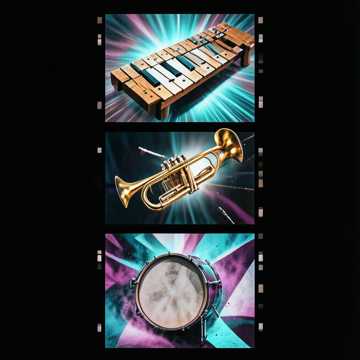
Scooter Circus Sprint
A breathless180 BPM big band chase, this instrumental races through zany xylophone patterns, pizzicato strings, muted trumpet jabs, brass blasts, slide whistle, and dramatic timpani glissandos. Its crisp, loop-ready arrangement evokes a chaotic scooter dash through a brightly colored circus.
03:05
4 days ago
Zany Music: Definition, Characteristics, and History
Zany music is a playful, eccentric, humorous, and unpredictable musical style or mood designed to create a sense of comic energy, mischief, absurdity, or cheerful chaos. The term "Zany" is generally used as a descriptive music tag rather than as a strictly defined genre. Zany tracks often feature exaggerated melodies, unusual sound effects, sudden changes, cartoon-like instrumentation, unexpected rhythmic accents, and a deliberately theatrical performance style. Depending on the context, Zany music can overlap with comedy music, novelty music, quirky pop, circus music, cartoon scoring, slapstick soundtrack music, and playful electronic music. The roots of Zany music can be traced to theatrical traditions such as commedia dell'arte, vaudeville, burlesque, pantomime, circus performance, and silent-film accompaniment. These traditions used fast tempos, exaggerated gestures, abrupt musical transitions, and recognizable instrumental clichés to support visual comedy. In the early twentieth century, ragtime, novelty piano, brass-band music, and early sound effects expanded the vocabulary of comic music. Film composers later developed the style through animated shorts and slapstick cinema, using rapid orchestration, mickey-mousing, unusual percussion, glissandos, clarinets, muted brass, pizzicato strings, and sudden pauses to mirror onscreen action. During the mid-to-late twentieth century, artists such as Spike Jones, Raymond Scott, Carl Stalling, and Leroy Anderson helped establish many of the sounds now associated with Zany music. Contemporary Zany music also incorporates synthesizers, glitch effects, playful vocal samples, ukulele, toy instruments, unconventional percussion, and exaggerated electronic production. In modern music libraries, the Zany tag usually signals a track that is funny, quirky, energetic, mischievous, unconventional, and suitable for visual storytelling.
Zany Music Sub-Tags and Classifications
Cartoon Zany
Cartoon Zany music is built around animated movement, visual exaggeration, and rapid comic action. It commonly uses fast woodwind passages, pizzicato strings, muted trumpets, percussion hits, glissandos, and short musical cues that closely follow character movement. This classification is especially suitable for animated films, children’s content, humorous transitions, and playful explainer videos.
Slapstick Comedy
Slapstick Zany emphasizes physical humor, accidents, chases, pratfalls, and exaggerated reactions. The music often uses abrupt accents, accelerating rhythms, descending runs, cymbal crashes, drum rolls, and comic pauses. It can make a simple action feel deliberately overdramatic and is frequently used in comedy sketches, silent-film-style scenes, and physical gags.
Quirky and Whimsical
Quirky Zany music is lighter and more charming than aggressive slapstick scoring. It may feature ukulele, handclaps, glockenspiel, toy piano, plucked strings, light percussion, and unusual melodic turns. This sub-tag is useful for portraying eccentric characters, creative projects, friendly brands, everyday adventures, and gently humorous situations.
Novelty and Comedy Song
Novelty Zany focuses on humorous lyrics, unusual vocal delivery, parody, comic character voices, or an intentionally unconventional arrangement. The music may imitate popular genres while adding absurd lyrics, exaggerated sound effects, or unexpected instrumental interruptions. It is common in comedy recordings, parody videos, humorous podcasts, and entertainment content.
Circus and Carnival
Circus Zany draws on march rhythms, calliope-like sounds, brass ensembles, lively woodwinds, and theatrical repetition. It creates an atmosphere of spectacle, eccentricity, and colorful motion. This classification works well for carnival scenes, circus sequences, children’s entertainment, whimsical trailers, and exaggerated introductions.
Chaotic and Eccentric
Chaotic Zany uses dense arrangements, irregular accents, sudden tempo changes, dissonant gestures, abrupt edits, and unexpected sonic combinations. Although it remains comic or playful, it can feel frantic, absurd, or deliberately out of control. This sub-tag is useful for chaotic game levels, comic disasters, surreal sequences, and energetic montage editing.
Playful Electronic Zany
Playful Electronic Zany combines comedic musical gestures with synthesizers, glitch effects, sampled voices, digital percussion, unusual bass sounds, and exaggerated transitions. It is common in modern advertising, mobile games, social media videos, technology content, and humorous digital storytelling.
Orchestral Comedy
Orchestral Comedy uses the color and scale of a symphony orchestra for humorous purposes. Composers may contrast elegant strings with ridiculous percussion, assign comic motifs to bassoon or clarinet, or use dramatic brass fanfares for intentionally trivial events. This form is strongly associated with film scores, animated shorts, family movies, and sophisticated visual comedy.
Darkly Zany
Darkly Zany music combines playful or absurd gestures with macabre, mysterious, grotesque, or unsettling harmony. Minor keys, harpsichord, celesta, low strings, unusual percussion, and theatrical orchestration can create a mischievous atmosphere without becoming purely frightening. It is suitable for gothic comedy, eccentric villains, spooky animation, and surreal storytelling.
Hardstyle Zany
Hardstyle Zany refers to the work associated with Dutch hardstyle producer and DJ Raoul van Grunsven, known professionally as Zany. This meaning is distinct from the general Zany mood tag. Hardstyle Zany typically features forceful distorted kicks, driving four-on-the-floor rhythms, dramatic synth leads, energetic breakdowns, and festival-oriented arrangements. Representative releases connected with the artist include productions and collaborations from the Dutch hardstyle scene, including work associated with Donkey Rollers and related projects.
Famous Artists and Classic Works Related to Zany Music
Carl Stalling
Carl Stalling was one of the most influential composers in animation history. His scores for Warner Bros. cartoons used rapid stylistic changes, musical quotations, comic leitmotifs, exaggerated orchestration, and precise synchronization with onscreen movement. His work helped define the fast, unpredictable, and highly reactive sound often associated with Cartoon Zany music.
The Typewriter by Leroy Anderson
This orchestral novelty piece turns the mechanical sounds of a typewriter into a featured rhythmic instrument. The typewriter’s clicks, carriage return, and bell become part of the musical joke while the orchestra provides a polished, catchy accompaniment. Its innovation lies in transforming an everyday office object into a solo voice, making it an exemplary work of witty, object-based Zany music.
Raymond Scott
Raymond Scott created highly distinctive instrumental compositions marked by unusual rhythms, angular melodies, abrupt changes, and energetic ensemble writing. Although many of his works were not originally written specifically for cartoons, they became strongly associated with animated and comic imagery through later licensing and adaptation. His eccentric compositions contributed to the vocabulary of quirky, futuristic, and mischievous Zany music.
The Syncopated Clock by Leroy Anderson
The piece uses clock-like percussion and a deliberately offbeat rhythmic character to create a cheerful image of a clock that does not behave quite normally. Its concise form, bright orchestration, and memorable ticking motif demonstrate how a simple sound concept can support a complete comic musical narrative. The work remains useful as a reference for whimsical and lightly eccentric orchestral music.
Spike Jones
Spike Jones and His City Slickers transformed popular songs into comic performances using exaggerated vocals, chaotic arrangements, novelty instruments, sound effects, and deliberately disruptive orchestration. His recordings demonstrated how timing, surprise, and sonic parody could become the central musical material, making him a major figure in novelty and comedy music.
Powerhouse by Raymond Scott
Powerhouse is built from driving ostinatos, sharply articulated melodies, and a sense of mechanical momentum. Its energetic structure has made it strongly associated with factories, machines, frantic work, and comic motion in animation and popular media. The composition’s repeated figures and sudden contrasts show how instrumental music can suggest both efficiency and absurdity.
Leroy Anderson
Leroy Anderson composed concise orchestral miniatures that frequently used unusual instruments and humorous concepts. His work combined polished classical orchestration with accessible melodies and comic sound design. Pieces such as "The Typewriter" and "The Syncopated Clock" remain important examples of witty, lighthearted orchestral writing related to the Zany tag.
The Entertainer by Scott Joplin
Although The Entertainer is a ragtime composition rather than a dedicated comedy track, its syncopated rhythm, bright piano writing, and historical association with silent-film and vintage comic imagery have made it influential in playful soundtrack contexts. It demonstrates how an established musical style can acquire a Zany character through visual association, arrangement, and timing.
Danny Elfman
Danny Elfman developed a highly recognizable style that blends theatrical orchestration, eccentric melodies, playful darkness, choral writing, and exaggerated character themes. His film scores demonstrate how Zany music can be whimsical, mischievous, grotesque, and emotionally expressive at the same time, especially in fantasy, comedy, and gothic family films.
The Pink Panther Theme by Henry Mancini
The Pink Panther Theme combines a sly saxophone melody, walking bass, brushed percussion, chromatic harmony, and a relaxed jazz groove. Its humor is more suave and mischievous than frantic, showing that Zany music can be cool, stealthy, and character-driven. The theme is a classic example of music creating a comic identity through instrumentation and melodic personality.
John Powell
John Powell is known for energetic film scoring that combines orchestral precision with comic timing, restless rhythmic motion, unusual instrumental colors, and dramatic exaggeration. His animation and comedy scores show how modern orchestral production can support rapid action, absurd situations, and playful character behavior.
The Simpsons Theme by Danny Elfman
The theme uses bright brass, animated orchestral gestures, unusual harmonic movement, and rapid changes of color to establish a playful and slightly chaotic world. Its arrangement is theatrical but concise, with each section contributing a memorable comic image. The work illustrates how Zany scoring can combine sophistication, irony, and high-energy cartoon motion.
Koji Kondo
Koji Kondo has created many iconic video game themes that use memorable melodies, clear rhythmic identity, playful instrumentation, and interactive repetition. His work for Nintendo games demonstrates how Zany musical ideas can support colorful worlds, comic enemies, imaginative environments, and game mechanics without overwhelming the player.
Yakety Sax by Boots Randolph
Yakety Sax is characterized by its rapid saxophone melody, persistent rhythmic drive, and breathless sense of pursuit. Its frequent use in chase scenes and comic montages has made it a shorthand for escalating slapstick. The track’s effectiveness comes from repetition, acceleration, and the contrast between virtuosic performance and ridiculous visual situations.
Zany
Zany, the stage name of Dutch hardstyle producer and DJ Raoul van Grunsven, is an important figure in the hardstyle scene. His productions are associated with powerful distorted kicks, festival-scale energy, melodic synth writing, and collaborations within the Dutch hard dance community. This artist-based meaning of Zany should be distinguished from the broader music-library tag describing humorous or eccentric music.
Looney Tunes and Merrie Melodies Main Title by Carl Stalling and Milt Franklyn
The Warner Bros. cartoon title music uses a bold fanfare, rapid transitions, and an energetic orchestral sound that immediately signals animation and comic spectacle. Its compact design demonstrates how a musical cue can establish genre, pace, and audience expectation within seconds. The title theme is closely connected to the broader history of orchestral Cartoon Zany music.
Zany Music Application Scenarios
Zany music can synchronize closely with character movement, facial expressions, chase sequences, magical transformations, and visual jokes. Fast woodwinds, pizzicato strings, percussion accents, and sudden pauses help translate animation into sound. A composer can assign short motifs to individual characters or use musical quotations to heighten parody.
Animated Films and Cartoon Shorts
For falls, collisions, failed plans, exaggerated reactions, and comic escapes, Zany music reinforces timing and makes physical action feel intentionally theatrical. Brief stings, descending scales, drum rolls, cymbal crashes, and abrupt silences are particularly effective when synchronized with the edit.
Slapstick Comedy and Physical Humor
In a feature comedy, Zany music can introduce eccentric characters, underline awkward situations, or contrast a serious musical style with an absurd event. It can be used selectively for major comic moments or developed into recurring character themes that evolve throughout the story.
Comedy Film Soundtracks
Brands can use upbeat Zany music to make a product demonstration, social media advertisement, or promotional video feel approachable and memorable. Ukulele, handclaps, toy instruments, quirky percussion, and playful electronic sounds work well for products aimed at families, creative consumers, entertainment audiences, and younger demographics.
Advertising and Brand Videos
Zany music is suitable for colorful platformers, puzzle games, party games, humorous menus, eccentric characters, and comic boss battles. Loop-friendly melodies, clear rhythmic patterns, and modular layers allow the music to continue during gameplay while responding to events such as item collection, failure, victory, or increasing difficulty.
Video Game Background Music
Short, energetic Zany cues can make menus, rewards, level completion, and character customization more engaging. Digital blips, exaggerated transitions, comic percussion, and compact melodic loops are easy to adapt to notifications and interactive feedback without requiring a long arrangement.
Mobile Games and Casual Interactive Media
Zany music can make explanations, vocabulary lessons, science demonstrations, and animated instructions more inviting. A playful arrangement helps maintain attention, while clear melodic repetition makes information easier to remember. The music should remain bright and energetic without becoming excessively loud or chaotic.
Children’s Content and Educational Videos
Short Zany introductions, transition stings, and musical beds can separate segments and establish a humorous identity. Novelty instruments, comic sound effects, and deliberately exaggerated endings are useful for interview shows, sketch podcasts, entertainment commentary, and improvised programs.
Podcasts, Comedy Shows, and Radio Segments
Zany music is effective in short-form videos because it communicates mood quickly. A quirky cue can support reaction clips, cooking mistakes, pet videos, unexpected reveals, parody tutorials, and fast-cut montages. Tracks with an immediate hook and clearly marked musical accents are especially useful for editing to short visual formats.
Social Media Videos and Online Comedy
Brassy marches, calliope-like textures, lively percussion, and theatrical transitions can create a festive or eccentric atmosphere for circus performances, amusement parks, street festivals, and themed attractions. Zany music helps audiences anticipate spectacle and playful exaggeration.
Circus, Carnival, and Themed Events
A darker form of Zany music can support eccentric villains, strange households, haunted attractions, macabre comedy, and surreal films. Minor harmony, celesta, harpsichord, low strings, and unusual percussion create a mischievous atmosphere that is humorous without losing mystery.
Surreal, Gothic, and Dark Comedy
When the tag refers to the Dutch hardstyle artist Zany rather than the general comedic mood, the music is appropriate for hard dance festivals, DJ sets, workout playlists, gaming edits, and high-intensity sports content. Distorted kicks, strong four-on-the-floor rhythm, dramatic breakdowns, and powerful synth leads provide a very different form of energy from Cartoon Zany music.
Hardstyle and Festival Dance Events