
Free dance along Music Generator Powered by AI
Turn text into high-quality dance along music effortlessly – no login required!

music.toolTips
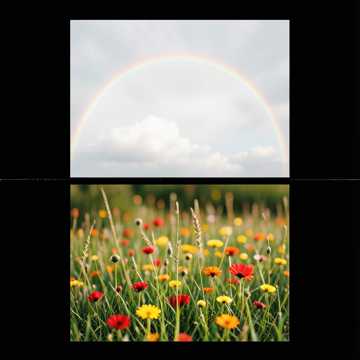
Colours,colours everywhere
A lively preschool nursery rhyme that introduces children to colours through clouds, rain, flowers, stars, and rainbows. Repeated phrases, simple rhymes, hand-clap cues, and an upbeat melody encourage early language learning, participation, movement, and joyful colour recognition.
01:03
2 days ago
Dance Along Music: Definition and History
Dance Along is a descriptive music tag for tracks that encourage listeners to move with the beat, follow a routine, or join a shared dance. Rather than identifying one formal genre, Dance Along can encompass pop, disco, funk, electronic dance music, children's songs, and dance-instruction tracks. Common features include a steady pulse, memorable hooks, clear rhythmic accents, and an energetic or welcoming mood, although the tempo and instrumentation vary. The idea of music made for communal dancing predates recorded music and appears in social dance traditions around the world. In the twentieth century, swing, rhythm and blues, rock and roll, and disco brought new dance rhythms and shared routines to recordings, radio, and clubs. Later, music videos, house music, dance-pop, children's entertainment, rhythm games, and online choreography helped audiences learn movements and dance together across different settings. Today, the Dance Along tag describes that broad, participatory quality rather than a single sound or historical movement.
Dance Along Sub-tags and Classifications
Dance-Pop
Dance-pop pairs accessible melodies and concise song structures with rhythms designed for movement. A strong chorus, polished production, and a prominent beat make this Dance Along style suitable for parties, pop playlists, and choreographed performances. Its sound can range from disco-inspired basslines to contemporary electronic production.
Disco and Funk
Disco and funk emphasize groove through syncopated bass, rhythmic guitar, drums, and, in many recordings, horns or strings. Disco often uses a steady four-on-the-floor kick drum, while funk can place more emphasis on interlocking syncopated parts. Both offer Dance Along music with a strong rhythmic foundation for social dancing.
Electronic Dance Music
Electronic dance music, or EDM, covers styles such as house, dance-pop-oriented electronic music, and other club-focused sounds. Repeating drum patterns, synthesizers, builds, and drops can give dancers clear changes in energy. For Dance Along playlists, electronic tracks can support everything from relaxed movement to high-intensity routines.
Children's Dance Along
Children's Dance Along music uses memorable melodies, repetition, and often simple movement prompts to encourage participation. Songs may ask children to clap, jump, turn, or copy an action, making them useful for classroom movement breaks, family activities, and early-years play. Age-appropriate lyrics and manageable pacing are important considerations.
Line Dance and Instructional Dance
This classification centers on songs associated with repeatable group steps or spoken and sung movement instructions. Clear phrases and predictable transitions help dancers anticipate the next action, whether they are following a line dance or learning a simple routine at a celebration. The defining feature is participation rather than a particular genre.
Latin and Global Dance Rhythms
Dance Along selections can draw on traditions and popular styles from around the world, including salsa, cumbia, reggaeton, and Afrobeats. Their rhythmic patterns, instrumentation, and dance practices differ considerably, so this is a broad discovery category rather than a single musical style. These tracks can introduce listeners to distinct grooves and social dance traditions.
Fitness and Workout Dance
Fitness-oriented Dance Along music is selected for a consistent pulse, motivating energy, and transitions that support structured movement. Faster tracks can accompany cardio choreography, while slower selections can work for warm-ups or cool-downs. Tempo and intensity should be matched to the activity and participants.
Famous Artists and Classic Dance Along Works
Michael Jackson
Michael Jackson helped connect pop recordings, music videos, and recognizable choreography for a global audience. Tracks such as 'Billie Jean' and 'Thriller' combine distinctive rhythmic hooks with performances that have inspired generations of dancers and Dance Along routines.
Dancing Queen — ABBA
Released in1976, 'Dancing Queen' combines a buoyant disco-influenced pulse with piano, layered vocals, and a soaring chorus. Its smooth shifts between verses and chorus keep the song moving while leaving space for its melody to lead. The result is a Dance Along favorite that works as both a singalong and a social-dance track.
ABBA
ABBA brought melodic pop and dance-floor rhythms together in songs such as 'Dancing Queen' and 'Gimme! Gimme! Gimme! (A Man After Midnight).' Their layered vocals, memorable choruses, and accessible arrangements continue to make their music popular for group celebrations and Dance Along playlists.
September — Earth, Wind & Fire
Released in1978, 'September' builds its celebratory feel from interlocking rhythm guitar, bass, drums, bright horns, and a highly recognizable vocal refrain. Its lively groove and concise arrangement create momentum without relying on a heavy electronic beat, making it a lasting example of funk-inflected Dance Along music.
Earth, Wind & Fire
Earth, Wind & Fire blended funk, soul, pop, and disco-influenced rhythms in celebratory tracks such as 'September' and 'Boogie Wonderland.' Their energetic horns, rhythmic precision, and uplifting vocals have made their recordings enduring choices for social dancing.
Thriller — Michael Jackson
The title track of Michael Jackson's1982 album combines a steady groove, synthesizer textures, theatrical sound effects, and a spoken performance by Vincent Price. Its influential music video paired the song with a recognizable group dance, showing how choreography and visual storytelling can extend a Dance Along track beyond the recording itself.
Daft Punk
Daft Punk helped bring French electronic dance music to a wider pop audience. 'One More Time' and 'Get Lucky' show different sides of their Dance Along appeal: the former uses repetition and electronic processing to build communal energy, while the latter draws on live disco and funk musicianship.
One More Time — Daft Punk
Released in2000, 'One More Time' uses a repeating vocal hook, electronic processing, a prominent dance beat, and a breakdown that rebuilds anticipation before the rhythm returns. Its combination of repetition and release gives dancers clear moments to follow and helped bring French house-inspired electronic music to a broad international audience.
DJ Casper
DJ Casper created the 'Cha Cha Slide,' a group-dance favorite built around verbal movement instructions. Its direct prompts and repeatable steps demonstrate how a Dance Along track can guide participation even when listeners do not know the routine beforehand.
Cha Cha Slide — DJ Casper
The 'Cha Cha Slide' turns movement instructions into the central feature of the recording. Calls such as directions to step, hop, or turn give groups a shared sequence, while the steady beat supports dancers of varying experience. Its Dance Along appeal lies in making the routine part of the song rather than requiring dancers to learn it separately.
Beyoncé
Beyoncé has made choreography a prominent part of contemporary pop performance. Songs such as 'Single Ladies (Put a Ring on It)' and 'CUFF IT' connect strong rhythmic identities with movement, inspiring dance videos, party routines, and group participation.
Single Ladies (Put a Ring on It) — Beyoncé
Released in2008, 'Single Ladies (Put a Ring on It)' uses a clipped, syncopated rhythm, insistent vocal delivery, and a sparse but forceful arrangement. Its black-and-white music video featured choreography that prompted widespread imitation, illustrating how a distinctive rhythmic hook and a clear visual routine can encourage Dance Along participation.
Where to Use Dance Along Music
Dance Along music can establish a celebratory mood, accompany a party scene, or give a character a memorable moment of self-expression. For example, a disco-style track can evoke a crowded dance floor, while an upbeat pop song can support a montage of friends learning choreography.
Movie and television soundtracks
A concise Dance Along hook can help an advertisement communicate energy and movement quickly. A brand might pair a rhythmic pop track with a short, repeatable routine for a product launch or social campaign, choosing a sound that fits its audience and message.
Advertising and branded content
Dance and rhythm games use Dance Along tracks to connect on-screen prompts with player movement. Clear beats and recognizable musical phrases can also support timing-based challenges, while changes in intensity can help distinguish easier and harder sections.
Video games and interactive experiences
In dance-fitness sessions, instructors can select Dance Along music with a tempo and structure that suit each phase of a workout. Schools and workplaces can also use shorter, approachable tracks for movement breaks, adapting routines to participants' abilities and available space.
Fitness classes and movement breaks
Familiar Dance Along songs can bring guests onto the dance floor, while instructional tracks give mixed-experience groups a shared starting point. A varied playlist can move between pop, disco, line dances, and other styles to suit the event and its audience.
Parties, weddings, and community events
Teachers and caregivers can use action-based Dance Along songs for playful coordination, listening practice, and transitions between activities. Repeated prompts such as clapping or turning make it easier for children to join in, with movements adapted to their age and needs.
Children's education and family activities
A Dance Along track with a distinctive chorus or rhythmic break can support a short choreography tutorial, group challenge, or performance clip. Creators should consider whether the music is licensed for their intended platform and use.
Social media and creator videos