
Free legato strings Music Generator Powered by AI
Turn text into high-quality legato strings music effortlessly – no login required!

music.toolTips

Od mamy
Píseň je upřímným vyznáním matky své dceři. Přiznává nedorozumění, netrpělivost i vlastní chyby, zároveň však zdůrazňuje bezpodmínečnou lásku, obdiv a ochotu být nablízku v každé životní chvíli. Hudebně působí jako něžná, postupně gradující filmová balada.
04:34
23 hours ago
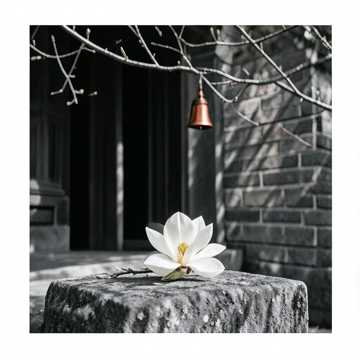
白玉蘭看春
歌曲以早春古寺的白玉蘭為意象,融合銅鈴、檀香與山風,書寫人在匆忙人生中尋得片刻停泊的心境。旋律含蓄溫暖,從獨處凝望走向自我撫慰,最終將離行的不捨化為安穩而清澈的春日記憶。
04:07
5 days ago
What Are Legato Strings? Definition and History
Legato Strings describes string-instrument playing in which successive notes flow smoothly into one another, with minimal silence or a sharp break between them. The technique is performed by violin, viola, cello, and double bass players using connected bow strokes, changes of bow direction, or shifts between notes on a single bow. In sampled and electronic music, a legato strings patch typically uses recorded note transitions to create a continuous, expressive line. The word legato comes from the Italian legare, meaning “to bind” or “to tie.” Connected bowing has been part of string performance for centuries, while the expressive, sustained string writing of the Baroque and Classical periods helped establish legato as a central orchestral articulation. In the Romantic era, composers expanded its use for longer melodies, richer harmonies, and more dramatic dynamic shaping. Modern film, television, game, and advertising composers use both live orchestras and digital legato strings to create smooth melodic motion, emotional warmth, and cinematic scale.
Legato Strings Sub-tags and Classifications
Violin Legato
Violin legato carries a melody in the instrument’s bright upper register. Players connect notes through bow control and careful fingering, shaping the line with vibrato and dynamic nuance. In orchestral and cinematic music, violin legato often serves as a lyrical lead, a soaring theme, or a delicate high-register texture.
Viola Legato
Viola legato emphasizes the instrument’s warm, rounded middle register. It can add depth to a melodic line, soften the transition between upper and lower strings, or create a reflective inner voice in an ensemble. This legato strings color is especially useful when a score needs emotional richness without the brilliance of violins.
Cello Legato
Cello legato combines a singing quality with a resonant lower range. It is frequently used for intimate themes, dramatic countermelodies, and expressive bass lines. Smooth cello phrases can make a soundtrack feel tender or solemn, while a rising cello line can steadily build emotional intensity.
Double Bass Legato
Double bass legato connects low notes into a sustained foundation rather than treating them as separate rhythmic accents. It can add weight and continuity beneath a string melody, and is often combined with cello legato for broad, cinematic low-register movement.
Solo Legato Strings
Solo legato strings feature one instrument or a small number of players, preserving the distinct phrasing and expressive detail of an individual performance. Solo violin and cello are common choices for exposed themes, intimate drama, and emotionally focused cues.
Orchestral Legato Strings
Orchestral legato strings combine sections of violins, violas, cellos, and double basses into a broad, blended sound. Layered lines can move together in harmony or weave through counterpoint, making this classification suitable for expansive film scores and large-scale game music.
Legato String Ensemble
Legato string ensemble writing focuses on coordinated phrasing across a chamber group or section. The result can range from a close, delicate texture to a dense and powerful sustained sound, depending on the number of players, register, and dynamics.
Sampled and Synthesized Legato Strings
Sampled legato strings use recorded instrumental notes and transitions, while synthesized legato strings create a similar continuous effect electronically. These tools give composers precise control over articulation, tempo, and arrangement in digital audio workstations, particularly for game, television, and independent film production.
Famous Artists and Classic Works Related to Legato Strings
Johann Sebastian Bach
Bach’s string writing demonstrates how connected melodic lines can remain expressive while participating in intricate counterpoint. Works such as the solo violin sonatas and partitas explore sustained phrasing, melodic continuity, and the illusion of multiple voices from a single instrument.
Samuel Barber: Adagio for Strings
Adagio for Strings develops a restrained, sustained string texture into a powerful emotional climax. Its long phrases connect through gradual changes in register, harmony, and dynamics rather than through a strong beat. The piece is a defining reference for legato strings in concert music and has also become widely associated with mourning and reflection in film and broadcast contexts.
Wolfgang Amadeus Mozart
Mozart used graceful, balanced string melodies that helped define Classical-era orchestral style. His symphonies and chamber music show how legato phrasing can create lyrical clarity while remaining integrated with rhythmic and formal structure.
Johann Sebastian Bach: Violin Sonata No.1 in G Minor, BWV1001
Bach’s solo violin writing demonstrates how a single instrument can sustain musical continuity across changes in register and harmony. The work’s connected melodic passages sit alongside more articulated material, making it a useful example of how legato phrasing contributes to contrast, structure, and expressive depth.
Pyotr Ilyich Tchaikovsky
Tchaikovsky made sweeping string melodies a defining feature of Romantic orchestral music. In works including his ballets and symphonies, sustained violin and cello lines heighten emotional contrast and give the orchestra a richly expressive sound.
Pyotr Ilyich Tchaikovsky: Swan Lake
The orchestral music of Swan Lake uses lyrical string melodies to support its dance rhythms and dramatic narrative. Smooth violin and cello lines give the ballet’s themes a flowing, romantic character, while orchestral changes in register and intensity help distinguish tenderness from tension.
Samuel Barber
Barber’s Adagio for Strings is among the best-known examples of sustained, slowly unfolding string writing. Its gradual melodic ascent, close harmonies, and carefully controlled dynamics show how legato strings can create intensity without relying on fast rhythms.
John Williams: Theme from Schindler’s List
The central theme is known for its exposed, expressive violin melody, supported by a restrained orchestral setting. The solo line’s sustained phrasing and carefully shaped dynamics focus attention on melodic nuance rather than spectacle, showing how legato strings can communicate vulnerability and remembrance.
John Williams
John Williams has written memorable orchestral themes for film, including Star Wars and Schindler’s List. His scores use singing string lines for themes, emotional transitions, and large-scale orchestral climaxes, demonstrating the range of legato strings in cinematic storytelling.
John Williams: Across the Stars from Star Wars: Episode II – Attack of the Clones
Across the Stars uses broad string melodies and layered orchestral harmonies to present a romantic theme with a cinematic scale. The connected phrasing lets the melody unfold over changing orchestral colors, illustrating how legato strings can link intimate emotion with a full ensemble sound.
Ennio Morricone
Morricone brought distinctive melodic and textural ideas to film scoring. In works such as the score for Cinema Paradiso, lyrical string writing helps create intimacy and nostalgia, while his broader filmography shows how strings can shift between restraint, atmosphere, and dramatic sweep.
Ennio Morricone: Love Theme from Cinema Paradiso
The Love Theme from Cinema Paradiso is shaped around a warm, memorable melody and a gradual, lyrical orchestral delivery. Its legato string writing supports the film’s nostalgic atmosphere, showing how sustained lines can evoke memory and affection without overwhelming a scene.
Hans Zimmer
Hans Zimmer combines orchestral strings with electronic sound design and contemporary production. Scores such as Interstellar use sustained string textures, layered harmonies, and gradual builds to create scale and tension in modern film music.
Legato Strings Applications in Film, Games, Advertising, and Beyond
Legato strings are often used under emotional dialogue, character themes, reunions, and reflective scenes. A sustained violin melody can focus attention on a character’s feelings, while cello and viola lines add warmth and depth. Gradually layered orchestral legato can also carry a scene toward a dramatic climax.
Film and television soundtracks
In games, legato strings can provide a continuous musical bed for exploration, storytelling, or quieter gameplay. Short melodic phrases can be arranged in loops, while layered string sections build during major story moments or boss encounters. Digital legato strings are particularly useful when a score needs to adapt to changing gameplay states.
Game background music
Legato strings can give an advertisement an elegant, reassuring, or emotionally resonant tone. A brief, smooth string phrase may support a product reveal or human-centered story, while a larger ensemble can help create a sense of aspiration and scale. The arrangement should leave space for narration and the brand message.
Advertising and brand music
Soft legato strings can support interviews, archival images, and reflective narration without drawing attention away from the subject. Lower strings provide a sober foundation, while a restrained upper-string melody can suggest continuity, remembrance, or discovery.
Documentaries and historical programs
Legato strings can establish a theme before percussion and other orchestral elements enter. A rising sequence of connected notes creates anticipation, and a full string ensemble can broaden the sound at a reveal or emotional peak. Layering and dynamics determine whether the result feels intimate or epic.
Trailers and dramatic promos
Slow-moving legato strings can create a calm, continuous soundscape. Gentle dynamics, spacious phrasing, and simple harmony are well suited to relaxation content, sleep playlists, and ambient backgrounds where abrupt articulations could interrupt the listening experience.
Meditation, relaxation, and ambient music
Sampled legato strings let composers sketch and produce connected string lines without booking a live ensemble. They are common in television cues, independent films, demos, and game scores. Realistic results depend on thoughtful note transitions, phrasing, register, dynamics, and a suitable balance with other instruments.
Digital composition and music production