
Free natural reverb Music Generator Powered by AI
Turn text into high-quality natural reverb music effortlessly – no login required!

music.toolTips
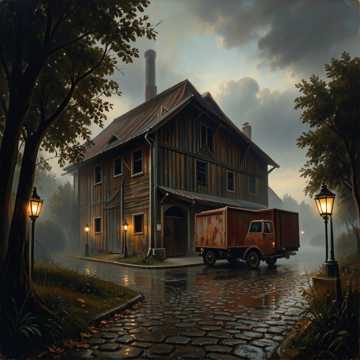
На Караганде
Песня изображает мрачного и ненадёжного рассказчика, одержимого разрушительным походом к складу. Военная лексика, бытовые детали и абсурдный юмор сталкиваются с народной мелодикой, превращая сюжет в гротескную сатиру на ярость, отчуждение и бездумное потребление.
03:03
5 days ago
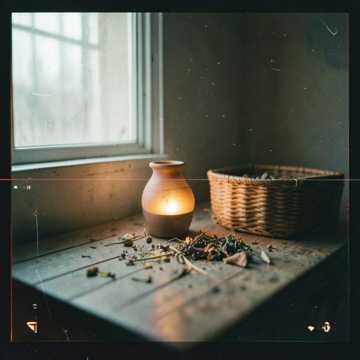
ანი ქავთარაძე - სიყვარულს მხოლოდ სიტყვები არ ჰყოფნის (Ethno-Fusion)
სიმღერა აღწერს ორ ადამიანს შორის რთულ, ხანდახან ირონიულ და დაუმთავრებელ საუბარს, რომლის მიღმაც ნამდვილი გრძნობა იმალება. საბოლოო აზრი მარტივია: სიყვარულის სრულად გადმოსაცემად სიტყვები საკმარისი არ არის — მას მოქმედება, ნდობა და შინაგანი თანხმობა სჭირდება.
04:33
6 days ago

ანი ქავთარაძე - სიყვარულს მხოლოდ სიტყვები არ ჰყოფნის (A Cappella)
სიმღერა აღწერს ორ ადამიანს შორის რთულ, გულწრფელ საუბარს, სადაც ეჭვები, ხუმრობა და უთქმელი პასუხები საბოლოოდ ერთ ჭეშმარიტებამდე მიდის: სიყვარული მხოლოდ სიტყვებით ვერ გამოიხატება. a cappella შესრულება და მრავალხმიანი ქორო ამ ემოციას ინტიმურ და ოდნავ სევდიან ხასიათს მატებს.
03:30
6 days ago
Natural Reverb: Definition, History, and Musical Character
Natural reverb is the acoustic ambience created when sound reflects from the walls, ceiling, floor, and objects in a physical space. Unlike artificial reverb generated by plugins, digital processors, or hardware units, natural reverb comes from real environments such as concert halls, churches, cathedrals, recording studios, theaters, caves, stairwells, and outdoor architectural spaces. When a singer or instrument produces sound, the direct sound reaches the listener first, followed by many closely spaced reflections. These reflections blend together and gradually decay, creating a sense of depth, distance, room size, and location. The result may range from a short, intimate room sound to a long, resonant cathedral tail.
Natural Reverb Sub-Tags and Classifications
Small Room Reverb
Small room reverb has a short decay time, dense early reflections, and a relatively intimate character. It can make a vocal, acoustic guitar, piano, drum kit, or string section feel present without placing the source far away. Natural small-room ambience is common in rehearsal rooms, smaller studios, living rooms, and compact performance spaces. It is useful when a producer wants realism and cohesion while preserving clarity.
Large Hall Reverb
Large hall reverb is associated with concert halls, auditoriums, and spacious recording rooms. It normally provides a longer decay, more pronounced depth, and a smoother sense of distance than small-room ambience. Natural hall reverb is frequently used with orchestral music, cinematic scores, piano, strings, choral arrangements, and slow-tempo compositions. Its broad reflections can make music feel expansive while still retaining a natural acoustic perspective.
Cathedral and Church Reverb
Cathedral and church reverb is characterized by long reverberation, strong low-frequency sustain, high ceilings, and an enveloping tail. Stone surfaces and large volumes allow reflections to continue for several seconds or longer. This classification is strongly associated with sacred choral music, organ recordings, ambient composition, neoclassical music, and cinematic sound design. Because the decay can be extremely long, arrangements often use open phrasing and careful spacing to prevent musical detail from becoming blurred.
Chamber Reverb
Chamber reverb refers to the refined acoustic response of a smaller formal room designed for chamber music or intimate performances. It usually offers enough reflection to add warmth and blend but not so much that individual instruments lose definition. Natural chamber ambience suits string quartets, solo piano, acoustic ensembles, folk recordings, and vocal performances where closeness and detail are important.
Plateau or Theater Reverb
Theater and stage ambience combines room reflections with the spatial character of an audience area, proscenium, or performance platform. Natural theater reverb can sound controlled and articulate, making it appropriate for spoken word, musical theater, live recordings, acoustic concerts, and soundtrack cues that need a realistic performance venue. The sound often balances presence with a moderate sense of scale.
Natural Vocal Reverb
Natural vocal reverb is created by recording a singer in an acoustically suitable room or by using ambient microphones to capture the space around the voice. It adds warmth, emotional distance, and continuity without making the vocal sound obviously processed. Natural vocal reverb is common in soul, folk, jazz, classical, singer-songwriter, choral, and cinematic music. The amount of ambience depends on the desired relationship between intimacy and spaciousness.
Natural Instrumental Reverb
Natural instrumental reverb describes the acoustic ambience surrounding guitars, pianos, drums, strings, brass, percussion, and other instruments. Room microphones and carefully positioned distant microphones are often used to record this character. The reflections help instruments share a believable acoustic environment and can create natural glue in an ensemble arrangement.
Ambient and Environmental Reverb
Ambient natural reverb emphasizes the recognizable acoustic identity of a place. Examples include the resonance of an underground passage, an empty warehouse, a wooden cabin, a tiled room, a mountain shelter, or an outdoor structure. This form of Natural reverb is especially useful in ambient music, field recording, sound art, documentary audio, and experimental production because the space itself becomes part of the musical subject.
Outdoor and Architectural Reverb
Outdoor reverb is usually more diffuse and less dense than indoor reverb because sound can disperse into open air. However, courtyards, tunnels, bridges, ruins, amphitheaters, and urban streets can produce distinctive reflections. Architectural Natural reverb is useful for location-based recordings, cinematic atmospheres, historical settings, game soundscapes, and music intended to suggest scale or a specific physical environment.
Live Performance Reverb
Live performance reverb is the natural acoustic response captured during a concert, recital, worship service, theater production, or ensemble session. It includes the interaction between performers, venue, audience, and microphone placement. This classification is valued for its realism and energy because it preserves the relationship between the musicians and the room instead of presenting every source as an isolated studio track.
Famous Artists, Producers, and Works Related to Natural Reverb
The Beatles and George Martin
The Beatles and producer George Martin helped demonstrate how room acoustics could become a recognizable part of popular music production. Recordings made at EMI Studios, later known as Abbey Road Studios, often used distinctive live rooms, chamber spaces, and studio ambience. Tracks such as "A Day in the Life" show how reverberant orchestral recording and dramatic acoustic scale can support a song's structure. Their work helped establish the recording studio as an instrument and encouraged producers to treat natural room sound as a creative compositional element.
"A Day in the Life" by The Beatles
The closing orchestral passages in "A Day in the Life" create a dramatic sense of scale through sustained clusters, ensemble density, and reverberant recording space. The acoustic tail helps connect the orchestra to the surrounding studio production and makes the ending feel larger than a conventional pop arrangement. The work is an important example of how physical room sound and orchestral ambience can intensify form, contrast, and emotional impact.
The Beach Boys and Brian Wilson
Brian Wilson's productions for The Beach Boys are closely associated with carefully controlled studio acoustics, live ensemble recording, and the blending of close and ambient microphone perspectives. Works such as "Good Vibrations" and the album "Pet Sounds" demonstrate how room reflections can unify complex arrangements while preserving a sense of human performance. The productions are not exclusively examples of unprocessed Natural reverb, but they are influential in showing how authentic room ambience can coexist with sophisticated studio construction.
"Be My Baby" by The Ronettes
Produced by Phil Spector, "Be My Baby" is known for its massive ensemble sound, emphatic drums, layered instrumentation, and characteristic echo-rich production. The track demonstrates how recording a large group in a live acoustic environment can create cohesion and force. Its reverberant character is not purely untouched Natural reverb because echo chambers and production processing are involved, but the physical studio environment remains fundamental to the song's scale and historical influence.
Phil Spector
Producer Phil Spector developed the Wall of Sound approach by recording large instrumental ensembles together in live studio spaces, especially Gold Star Studios. Songs such as "Be My Baby" use dense instrumentation, room reflections, echo, and layered performances to create a powerful, unified sonic image. Spector's productions are often associated with echo chambers and additional processing, but their impact on the use of physical spaces, ensemble ambience, and natural acoustic density remains significant.
"Waltz for Debby" by Bill Evans Trio
The live recording of "Waltz for Debby" preserves the intimate ambience of a small jazz venue. Piano, bass, drums, audience response, and room reflections combine to create a vivid sense of location. The natural acoustic space supports the trio's conversational interaction and allows listeners to perceive the performance as an event occurring in a specific room rather than as isolated studio tracks.
Bill Evans Trio
The Bill Evans Trio made important jazz recordings in rooms where the acoustic relationship between piano, bass, drums, and microphones was central to the sound. Albums such as "Waltz for Debby" capture the intimacy of a live performance while preserving the atmosphere of the Village Vanguard. The recordings illustrate how natural venue ambience can communicate audience proximity, instrumental interaction, and the changing energy of a real performance.
"Spiegel im Spiegel" by Arvo Part
The sparse structure of "Spiegel im Spiegel" leaves substantial room for resonance. Repeated piano figures and sustained violin tones can extend naturally into the surrounding acoustic environment, making decay and silence part of the musical experience. In a suitable hall or church, Natural reverb enhances the work's stillness and continuity, while excessive reverberation can obscure its precise harmonic movement.
Glenn Gould
Glenn Gould's recordings show a contrasting approach to acoustic space. His performances, especially the Goldberg Variations recordings, are known for carefully controlled studio perspective and a relatively intimate piano sound rather than a large concert-hall wash. This makes Gould relevant to Natural reverb because his work demonstrates that natural ambience is also a matter of restraint: a small, realistic room can preserve articulation, detail, and proximity.
"Hallelujah" by Leonard Cohen
Leonard Cohen's song has been recorded in many styles, but versions that emphasize acoustic instruments and realistic vocal room ambience demonstrate the expressive value of Natural reverb. A moderate room or hall response can give the vocal emotional depth while preserving the intimacy of the lyric. The work is a useful example of how natural acoustic space can support reflective songwriting without overwhelming the melody.
Arvo Part
Composer Arvo Part has written works whose open textures, sustained tones, and vocal or instrumental resonance can interact strongly with architectural acoustics. Pieces such as "Spiegel im Spiegel" and "Tabula Rasa" are frequently performed and recorded in spaces that allow their pauses and harmonies to breathe. Natural reverb supports the contemplative character of this repertoire by extending tones without requiring dense instrumentation.
"The Köln Concert" by Keith Jarrett
Keith Jarrett's solo piano performance is strongly connected to the sound and response of the concert venue. The recording captures sustained piano resonance, performance dynamics, and the relationship between the instrument and the hall. Natural reverb contributes to the work's sense of spontaneity and scale, allowing individual notes and chords to bloom after the initial attack.
Sigur Ros
Sigur Ros frequently combines expansive arrangements, sustained tones, bowed guitar textures, orchestral colors, and spacious recording perspectives. Their music demonstrates how natural-sounding ambience can create emotional scale in alternative and post-rock production. Tracks such as "Svefn-g-englar" and "Hoppipolla" use depth and resonance as part of the emotional architecture, even when the final production also includes studio effects.
"Svefn-g-englar" by Sigur Ros
The track uses sustained instrumental textures, slow harmonic development, layered vocals, and spacious production to create a vast emotional environment. Natural-sounding ambience helps soften transitions between musical layers and gives the arrangement a floating quality. The work shows how reverb can function as an arrangement tool, extending the perceived duration of tones and placing the listener inside a larger acoustic field.
Bon Iver
Bon Iver's recordings often combine intimate vocals and acoustic instruments with wide environmental space. Songs such as "Holocene" show how a close performance can remain emotionally direct while surrounding textures and reverberant layers create an outdoor, atmospheric impression. The music is relevant to Natural reverb because it treats space, distance, and decay as expressive elements rather than merely corrective effects.
"Holocene" by Bon Iver
The song combines a close, human vocal presence with acoustic and atmospheric layers that suggest openness and distance. Its spatial design shows how a production can retain lyrical intimacy while using reverberant elements to evoke landscape and memory. Natural reverb is especially effective here as a contrast between the immediate voice and the broader environment surrounding it.
Enya
Enya's recordings are recognized for layered vocals, sustained keyboard textures, and spacious arrangements that suggest large natural environments. Her music combines extensive production with reverberant vocal presentation, creating a strong association between vocal harmony and atmospheric depth. Works such as "Orinoco Flow" demonstrate how a sense of natural space can support accessible melodic writing and ambient-pop production.
Recording Engineers and Acoustic Designers
The development of Natural reverb also depends on engineers, producers, microphone designers, and acoustic architects. Engineers such as Geoff Emerick, Alan Parsons, Rudy Van Gelder, and George Massenburg helped refine microphone placement, room capture, and studio acoustics across popular, jazz, classical, and experimental recordings. Their contributions show that Natural reverb is shaped not only by the venue but also by microphone distance, polar pattern, placement height, ensemble arrangement, and the balance between direct and reflected sound.
Natural Reverb Application Scenarios
Natural reverb can establish the location, period, and emotional scale of a film scene. A short room ambience may support an intimate conversation, while a church or large hall can reinforce ritual, awe, isolation, or historical atmosphere. In film scoring, natural-sounding orchestral reverb helps instruments feel as though they exist in the same space. Location-specific reverb can also connect music to a visible environment such as a theater, warehouse, forest structure, or underground passage.
Film Soundtracks and Cinematic Scores
Documentaries and historical programs can use Natural reverb to make interviews, narration, and score elements feel consistent with a real location. A reverberant architectural space can suggest a cathedral, museum, station, or old building, while a controlled room sound can keep speech intelligible. Matching the ambience of music and dialogue is particularly useful when a production moves between present-day interviews and archival or reconstructed scenes.
Television, Documentary, and Historical Production
Natural reverb gives advertising music a credible and emotionally recognizable sound. Acoustic guitar, piano, hand percussion, or a vocal performance recorded in a real room can make a brand film feel warm, premium, personal, or artisanal. A restrained room response is suitable for lifestyle, food, travel, and technology campaigns, while a larger hall sound can support luxury, automotive, fashion, or inspirational advertising.
Advertising and Brand Films
Natural reverb helps game music reflect the physical world of a level. Short, dry ambience can represent a small interior, moderate hall reverb can suggest a public building, and long cathedral or cavernous decay can reinforce temples, ruins, caves, and fantasy environments. Dynamic reverb changes can also respond to player movement, allowing the same musical cue to feel different indoors, outdoors, underground, or underwater.
Video Game Background Music
Ambient compositions often rely on long, smooth decay and spacious natural textures to create a calm listening environment. Natural reverb can make drones, soft piano, bowed strings, chimes, and field recordings feel integrated with the surrounding space. The most effective arrangements leave enough silence between events so that the reverb tail remains audible without becoming congested.
Ambient Music and Meditation
Natural reverb is central to many classical and choral recording contexts. Concert halls provide balanced support for orchestral instruments, while churches and cathedrals can add a powerful sense of resonance to voices and organ. Engineers must consider tempo, articulation, ensemble size, microphone distance, and the decay time of the venue because excessive reverberation can reduce clarity in fast passages.
Classical, Choral, and Sacred Music
A natural room can add warmth and realism to vocals, acoustic guitar, banjo, mandolin, piano, and string instruments. Recording the performer with a combination of close and ambient microphones preserves detail while allowing the room to contribute character. This approach is useful for music that values human presence, live interaction, organic dynamics, and an unforced sense of space.
Folk, Acoustic, and Singer-Songwriter Recordings
Natural reverb supports the interaction between musicians in jazz, funk, soul, and small ensemble recordings. A carefully chosen room can blend drums, horns, piano, bass, and vocals while maintaining the timing and articulation needed for complex performances. Live room ambience also helps convey the social energy of a venue and the relationship between performers and audience.
Jazz and Live Ensemble Sessions
A subtle Natural reverb effect can place a spoken-word performance in a theater, studio, archive, hallway, or fictional environment. In audio drama, changes in reverberation help listeners understand whether a character is inside a small room, a large public building, or an open architectural space. The amount should remain controlled so that speech remains intelligible and does not sound distant unless that distance is intentional.
Podcast Intros, Spoken Word, and Audio Drama
Music for stage and dance can use natural-sounding ambience to connect recorded sound with the physical performance venue. Reverb may emphasize movement through space, distinguish one scene from another, or make an ensemble feel larger than the visible performers. In contemporary performance, the acoustic identity of the venue can become part of the work's artistic concept.
Theater, Dance, and Contemporary Performance
Natural reverb is effective in travel films, landscape videos, nature documentaries, and location-based media because it reinforces a sense of place. Music recorded with realistic environmental ambience can blend with footsteps, wind, water, architectural reflections, and other field sounds. The result feels less detached from the image and can make a location appear more immediate and believable.
Travel, Nature, and Landscape Content
Sound designers use Natural reverb to communicate material, volume, and distance. Stone surfaces produce a different response from wood, fabric, glass, or metal, and a narrow corridor behaves differently from a wide room. By matching the decay, reflection density, and frequency response to a setting, designers can make unseen spaces understandable and strengthen immersion in film, games, installations, and virtual reality.
Sound Design and Environmental Storytelling