
Free plucky-keys Music Generator Powered by AI
Turn text into high-quality plucky-keys music effortlessly – no login required!

music.toolTips

What a Lovely Mess
A playful flirtation unfolds at a lively market, where shared dessert, teasing, and spontaneous laughter turn an ordinary afternoon into a joyful romantic spark. The brisk dance-pop groove mirrors the singer's nervous excitement, while the chorus celebrates the delightful confusion of liking someone.
02:06
1 days ago
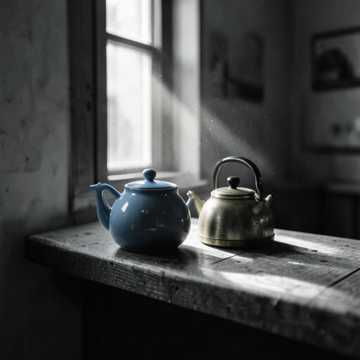
Tienda de té azul
Una fantasía instrumental con aroma a salón de té y brillo de videojuego clásico. Su groove balanceado, bajo caminante, teclas juguetonas, metales sintéticos y campanas marimba crean una atmósfera cálida, curiosa y luminosa, mientras la textura de cinta añade un encanto ligeramente polvoriento.
03:09
3 days ago
Plucky Keys: Definition, Sound, and Musical History
Plucky Keys is a music production and sound-design tag describing bright, percussive keyboard tones with a noticeable plucked attack. The sound may come from traditional instruments such as the harpsichord, clavichord, spinet, and dulcimer, or from modern samples, synthesizers, electric pianos, toy pianos, and processed acoustic keyboards. Unlike a conventional sustained piano tone, Plucky Keys emphasizes the short initial transient, crisp articulation, and clear separation between individual notes. This makes Plucky Keys useful for rhythmic melodies, repeating motifs, arpeggios, chord stabs, and light harmonic patterns. The history of Plucky Keys can be traced to early keyboard instruments whose strings were activated by a plectrum or tangent. The harpsichord became especially important in European classical music from the Renaissance through the Baroque period, offering a precise, articulate tone that could cut through complex counterpoint. Composers such as Johann Sebastian Bach, Domenico Scarlatti, and François Couperin developed intricate keyboard writing that highlighted plucked articulation, ornamentation, and rapid repeated figures. In the twentieth century, composers and performers expanded the meaning of plucked keyboard sound through prepared piano, toy piano, electric piano, tape processing, and early synthesizers. Music producers later began combining sampled harpsichords, muted pianos, kalimbas, mallet instruments, and digital synthesizers to create modern Plucky Keys textures. Contemporary Plucky Keys production often uses short envelopes, subtle distortion, stereo delay, filtering, and sidechain compression to make the keyboard part feel rhythmic and present in a mix. As a result, Plucky Keys is best understood as a flexible sonic category rather than a single historical genre.
Plucky Keys Sub-Tags and Classifications
Harpsichord Plucky Keys
Harpsichord Plucky Keys is based on the sharply articulated sound of strings being plucked by a plectrum. It is usually bright, dry, and highly defined, with very little natural sustain or dynamic variation from touch. This classification is strongly associated with Baroque music, chamber arrangements, period-inspired soundtracks, fashion advertising, and sophisticated pop production. A sampled harpsichord can also be layered with a piano or synthesizer to add rhythmic clarity and historical character.
Toy Piano and Music Box Keys
Toy Piano and Music Box Keys use small, delicate, bell-like keyboard tones with a playful or nostalgic character. These sounds often feature a narrow frequency range, short decay, and a slightly imperfect mechanical quality. They work well in whimsical Plucky Keys compositions, children’s media, indie film, storytelling music, and advertisements that need a sense of innocence or curiosity. Pitch instability, room noise, and mechanical clicks can be retained when a more organic sound is desired.
Synth Pluck Keys
Synth Pluck Keys are electronic keyboard patches designed around a fast attack, short decay, and controlled release. Producers commonly shape them with a filter envelope, resonance, mild saturation, and tempo-synchronized delay. Synth Pluck Keys can sound clean and futuristic, warm and analog, or sharp and digital depending on the oscillator, filter, and effects chain. They are frequently used in electronic music, dance tracks, pop hooks, technology advertising, and game soundtracks.
Piano Pluck Keys
Piano Pluck Keys combine the harmonic body of a piano with an unusually short and percussive envelope. The sound may be created by heavily damping a piano, using a muted piano sample, emphasizing the hammer transient, or processing a regular piano with gating and filtering. This classification is useful for rhythmic chord patterns, minimalist accompaniment, upbeat commercial music, and cinematic underscore. Piano Pluck Keys generally feel more familiar and harmonic than a purely synthetic pluck.
Electric Piano Plucks
Electric Piano Plucks are short, articulated tones derived from instruments such as the Rhodes, Wurlitzer, or digitally modeled electric piano. They retain the warm bell-like overtones of an electric keyboard while using a shorter decay and stronger transient. Electric Piano Plucks can add groove to funk, neo-soul, R&B, lo-fi, chillout, and contemporary pop arrangements. Chorus, tremolo, tape saturation, and subtle delay are common processing choices.
Prepared and Muted Keyboard
Prepared and Muted Keyboard sounds are created by changing the way a keyboard instrument resonates. Felt, rubber, paper, or other materials may be placed near piano strings, while digital instruments can simulate damped, muted, or filtered mechanisms. These Plucky Keys tones are often dry, intimate, and textural. They are suitable for experimental music, modern classical composition, suspense scenes, understated drama, and sound design that requires a distinctive but recognizable keyboard source.
Bell and Mallet Keyboard Plucks
Bell and Mallet Keyboard Plucks combine keyboard-style note layouts with the bright overtones of bells, marimbas, vibraphones, kalimbas, or celestas. Their high-frequency attack makes melodic patterns easy to hear, while the resonance can add sparkle and atmosphere. This sub-tag is common in ambient music, fantasy media, game music, children’s content, and uplifting corporate compositions. Layering a mallet pluck with a soft pad can create both rhythmic definition and emotional depth.
Cinematic Plucky Keys
Cinematic Plucky Keys are designed for scoring rather than for a specific historical instrument. They often combine piano, harpsichord, mallet, and synthesizer elements with reverb, delay, granular processing, or reversed effects. The resulting sound can suggest curiosity, tension, motion, discovery, or elegance. Cinematic Plucky Keys are especially effective in trailers, opening titles, documentary cues, mystery sequences, and montage scenes where a repeating keyboard motif needs to develop over time.
Lo-Fi and Organic Plucky Keys
Lo-Fi and Organic Plucky Keys emphasize imperfections such as tape hiss, vinyl noise, uneven velocity, room ambience, detuning, and mechanical clicks. The goal is to make the keyboard feel recorded, tactile, and human rather than perfectly polished. These sounds are popular in lo-fi hip-hop, bedroom pop, chill beats, acoustic-electronic hybrids, and relaxed background music. Gentle compression and low-pass filtering can soften the high-frequency attack while preserving the recognizable plucked character.
Famous Artists and Works Related to Plucky Keys
Johann Sebastian Bach
Johann Sebastian Bach made the harpsichord a central vehicle for sophisticated keyboard composition. Works such as The Well-Tempered Clavier, the Goldberg Variations, and the English Suites demonstrate how a plucked keyboard tone can support counterpoint, ornamentation, variation form, and complex rhythmic movement. Bach’s writing remains an important reference for Plucky Keys because it shows how short, articulate notes can create both harmonic detail and powerful forward motion.
Johann Sebastian Bach: Goldberg Variations
The Goldberg Variations are a landmark example of how a plucked keyboard instrument can carry a complete large-scale musical structure. The opening aria establishes a clear harmonic foundation, while the variations explore dance rhythms, counterpoint, virtuosic passagework, canonic writing, and contrasting textures. When performed on harpsichord, the short attack makes inner voices and ornamentation especially distinct. The work’s innovation lies in its ability to create constant variety from a recurring bass and harmonic plan, an idea that continues to influence loop-based Plucky Keys production.
Domenico Scarlatti
Domenico Scarlatti wrote more than five hundred keyboard sonatas, many of which exploit the clarity and agility of the harpsichord. His rapid repetitions, hand crossings, accented chords, arpeggios, and Spanish-influenced rhythms make his music closely connected to the expressive possibilities of plucked keys. Scarlatti’s keyboard works are valuable references for producers seeking energetic Plucky Keys patterns with dramatic rhythmic accents.
Domenico Scarlatti: Keyboard Sonatas
Scarlatti’s keyboard sonatas are not a single work but a major body of repertoire built around compact, energetic musical ideas. Their rapid repeated notes, hand crossings, broken chords, sudden accents, and rhythmic references to Spanish dance create a vivid plucked-keyboard sound. The pieces demonstrate how a harpsichord can produce excitement through articulation and rhythm even when it cannot produce the wide dynamic range of a modern piano. Producers can draw from this approach when creating agile Plucky Keys arpeggios and syncopated motifs.
François Couperin
François Couperin developed an elegant French keyboard style that emphasized ornamentation, refined articulation, and detailed tonal color. Collections such as Pièces de clavecin show how a harpsichord can create delicate, dancing, and highly expressive music despite its limited dynamic range. His work is especially relevant to graceful, decorative, and period-inspired Plucky Keys arrangements.
Johann Sebastian Bach: The Well-Tempered Clavier
The Well-Tempered Clavier presents preludes and fugues in every major and minor key, making it both a compositional milestone and a detailed study of keyboard texture. Its plucked-keyboard interpretations reveal how independent lines can remain intelligible through crisp articulation. The collection is especially influential for Plucky Keys because it demonstrates the expressive potential of repeated short notes, layered voices, ornamentation, and carefully controlled harmonic movement.
Philip Glass
Philip Glass helped popularize a modern minimalist approach built from repeating keyboard patterns and gradual transformation. Although his music is not limited to plucked instruments, the clear rhythmic separation of repeated notes provides a useful model for contemporary Plucky Keys production. Pieces such as Glassworks and parts of his piano repertoire demonstrate how a small keyboard figure can generate momentum through repetition, layering, and subtle harmonic change.
John Cage: Sonatas and Interludes
John Cage’s Sonatas and Interludes for prepared piano transform a conventional keyboard into an unusual percussion ensemble. Objects placed on the strings alter pitch, sustain, attack, and resonance, producing sounds that can resemble muted plucks, wood, metal, drums, and small bells. The work’s innovation is its treatment of timbre as a compositional parameter. It provides an important model for experimental Plucky Keys sound design, where the character of each note is as significant as the melody.
John Cage
John Cage expanded the vocabulary of keyboard sound through prepared piano techniques. By placing objects between or on piano strings, he transformed the instrument into a collection of dry, metallic, muted, and percussive tones. Cage’s prepared piano works show how changing the physical attack and resonance of a keyboard can produce sounds related to modern Plucky Keys, especially experimental and cinematic classifications.
Philip Glass: Glassworks
Glassworks uses repeating patterns, additive rhythmic processes, and gradual harmonic shifts to create forward movement from relatively small musical materials. The repeated keyboard figures are clear, even, and highly organized, which makes the work relevant to rhythmic Plucky Keys arrangements. Its influence can be heard in film scores, electronic music, advertising cues, and game music that build atmosphere through layered ostinatos rather than through a constantly changing melody.
Wendy Carlos
Wendy Carlos demonstrated how synthesizers could reinterpret established keyboard repertoire and bring electronic timbres into mainstream listening. Her work helped establish the synthesizer as a serious musical instrument and influenced the design of short, articulate electronic keyboard patches. Her approach is relevant to Synth Pluck Keys because it connects precise keyboard performance with carefully shaped electronic tone.
Wendy Carlos: Switched-On Bach
Switched-On Bach reimagines Bach’s compositions with electronic synthesizers. The project helped listeners hear familiar counterpoint through new attack shapes, filter colors, and electronically controlled articulation. Its importance to Plucky Keys comes from the combination of precise keyboard performance and designed electronic timbre. The recordings illustrate how a historical keyboard idea can be adapted into a modern synthetic sound palette.
Nils Frahm
Nils Frahm combines acoustic piano, prepared piano, electric piano, synthesizers, and studio processing to create intimate and textural keyboard music. His recordings often highlight mechanical detail, resonance, repetition, and contrast between natural and electronic sound. This hybrid approach is a strong reference for modern Plucky Keys that needs to feel both organic and carefully produced.
Plucky Keys Music Application Scenarios
Plucky Keys can support scenes involving curiosity, preparation, discovery, elegance, or controlled tension. A dry harpsichord pattern can suggest a historical setting, while a filtered synth pluck can create a modern investigative mood. In a montage, repeated Plucky Keys notes can provide momentum without competing with dialogue. Short attacks also remain intelligible under sound effects and can help connect separate shots through a recurring musical motif.
Movie and Television Soundtracks
Plucky Keys are effective in advertising because their bright attack is recognizable on small speakers and mobile devices. A clean piano pluck can make a product commercial feel friendly and contemporary, while a harpsichord or music-box sound can communicate craft, luxury, nostalgia, or playfulness. Repeating Plucky Keys patterns can also synchronize naturally with edits, product reveals, animated text, and logo transitions.
Advertising and Brand Music
Game composers use Plucky Keys for exploration themes, puzzle levels, menu music, casual games, and fantasy environments. The short note length leaves space for player actions, dialogue, and sound effects. A loop built from plucked synth keys can create energy without causing listener fatigue, while bell-like or toy-piano Plucky Keys can make a game world feel magical, playful, or mysterious. Different layers can be introduced as the player changes locations or reaches a new level.
Video Game Background Music
A short Plucky Keys tone can serve as a confirmation, notification, reward, or transition sound. Piano, mallet, and soft synth plucks are easy to tune to a brand’s identity and can be arranged into small melodic signatures. Careful control of volume, duration, and high-frequency content is useful in this context because interface sounds may be repeated many times during ordinary use.
Mobile Apps and User Interface Sound
In electronic and pop production, Plucky Keys can provide chord stabs, arpeggios, counter-melodies, and hooks. A sidechained synth pluck can reinforce the beat, while a delayed piano pluck can fill the spaces between vocal phrases. Layering several Plucky Keys sounds with different attack times creates depth: a sharp transient supplies rhythmic focus, a warmer keyboard provides body, and a delayed layer adds movement.
Electronic, Pop, and Dance Music
Lo-Fi and Organic Plucky Keys can add a gentle repeating motif to relaxed instrumental tracks. Slight detuning, tape saturation, room ambience, and filtered high frequencies make the sound less aggressive and more comfortable over long listening periods. A sparse piano pluck or electric piano pattern can support a steady beat while leaving enough space for environmental noise, soft pads, and understated bass.
Lo-Fi, Chillout, and Study Music
Plucky Keys can make educational videos and documentaries feel clear, modern, and approachable. A light piano or marimba-style pattern can support explanations, diagrams, timelines, and transitions without creating excessive drama. Harpsichord-inspired Plucky Keys may suit historical subjects, while restrained electronic plucks can support science, technology, business, and innovation topics.
Documentary and Educational Content
Toy piano, celesta, music-box, and bright synth Plucky Keys are useful for animated characters, comic timing, fantasy scenes, and playful transitions. Their compact notes can follow visual movement closely, making them suitable for bouncing objects, quick gestures, and humorous reveals. A producer can adjust pitch, reverb, and rhythmic repetition to move the same Plucky Keys sound from cheerful and innocent to strange and mischievous.
Animation and Children’s Media
Elegant harpsichord, muted piano, and refined electric piano plucks can give fashion films and lifestyle videos a polished sense of rhythm. Sparse Plucky Keys phrases leave room for narration and visual detail while adding sophistication to scene changes. Combining a dry keyboard pluck with subtle stereo delay can create a modern editorial atmosphere without overwhelming the imagery.
Fashion, Lifestyle, and Luxury Content
Although Plucky Keys are often associated with bright attacks, softened versions can work in ambient music when placed in a spacious reverb field. Slow, widely spaced notes from a felt piano, muted electric piano, or gentle bell patch can create a sense of distance and calm. Low-density Plucky Keys patterns are particularly useful for emphasizing time, breathing space, and gradual harmonic change.
Meditation, Ambient, and Soundscape Music