
Free toy keyboard Music Generator Powered by AI
Turn text into high-quality toy keyboard music effortlessly – no login required!

music.toolTips
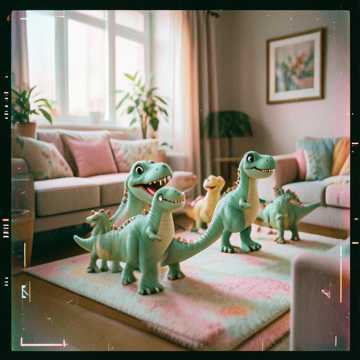
Kenali Dinosaurus
Lagu anak yang mengubah perkenalan hewan prasejarah menjadi permainan bernyanyi penuh rasa ingin tahu. Nama dan ciri khasnya hadir dalam bait sederhana, sementara chorus berulang, tepuk tangan, dan balasan kelompok cocok untuk kegiatan kelas atau keluarga. Aransemen pop retro yang hangat menambah suasana riang.
02:12
23 hours ago
Ccc, ccokiuv
A playful stranger leaves behind an unexplained note, and its cryptic phrase becomes an irresistible refrain. Rather than solving the mystery, the narrator celebrates its ambiguity through intimate vocals, nimble phrasing, stacked chorus harmonies, and a quick, mischievous ending.
01:03
Invalid date
sfdsd
Ca khúc kể về một cô gái âm thầm tương tư, nhiều lần định tỏ tình nhưng luôn e ngại. Với màu sắc alternative R&B, psychedelic pop và art pop, bài hát kết hợp sự ngọt ngào, hài hước cùng những rung động chân thành trong khoảnh khắc thú nhận tình cảm.
02:59
4 days ago
Toy Keyboard: Definition, Sound, and History
Toy Keyboard is a broad music tag for music featuring small, toy-sized keyboard instruments or sounds that imitate them. It can refer to an acoustic toy piano, a compact electronic keyboard, a miniature synthesizer, or a sampled toy-keyboard sound. These instruments are generally defined by their small range, simple controls, and bright, delicate, or intentionally playful timbre—not by a single musical genre. Toy pianos became commercially popular in the19th century; German-born toymaker Albert Schoenhut began making toy pianos in Philadelphia in the1870s. For much of their history they were children’s instruments, but composers and performers later explored their unusual sound in concert music, recordings, film, and experimental pop. John Cage’s1948 Suite for Toy Piano helped establish the toy piano as a serious concert instrument. Today, Toy Keyboard music ranges from acoustic performances to electronic production and virtual instruments.
Toy Keyboard Sub-tags and Classifications
Toy Piano
An acoustic toy piano usually produces notes when small hammers strike metal rods or tines. Its compact range and distinctive bell-like, slightly percussive tone make it recognizable in Toy Keyboard music. The instrument is often used for sparse melodies, experimental compositions, and whimsical or nostalgic arrangements.
Mini Electronic Keyboard
A mini electronic keyboard uses compact keys and electronic sound generation. Depending on the model, it may offer simple piano tones, preset sounds, rhythms, or basic recording features. Its direct, sometimes lo-fi character makes it useful in playful pop, bedroom recording, and arrangements seeking a small-keyboard sound.
Toy Synthesizer and Pocket Keyboard
This classification includes small synthesizers and pocket-sized keyboard instruments that produce electronic tones, simple sequences, or unusual effects. Their limited controls and compact sound palettes can encourage spontaneous playing and give Toy Keyboard tracks a quirky, handmade quality.
Children’s Learning Keyboard
Designed primarily for beginners, these keyboards often include simplified controls, built-in tones, and sometimes lessons or accompaniment patterns. In recorded music, their straightforward presets can be used deliberately for a naïve, cheerful, or nostalgic effect.
Sampled or Virtual Toy Keyboard
Producers can record an acoustic toy piano or miniature keyboard and use the sound in samplers, digital audio workstations, or virtual instruments. This approach makes Toy Keyboard timbres easy to layer, edit, pitch-shift, and combine with strings, percussion, or electronic textures.
Toy Keyboard in Experimental and Prepared Music
In experimental music, a toy keyboard may be treated as a sound source rather than only a melody instrument. Composers and performers explore its limited range, attack, resonance, and mechanical noise, sometimes combining it with other instruments or electronic processing.
Artists and Classic Works Related to Toy Keyboard
John Cage
American composer John Cage brought the toy piano into the modern concert repertoire with Suite for Toy Piano (1948). The piece demonstrates how an instrument commonly associated with childhood can support carefully structured, contemporary music, and it remains a foundational work for performers exploring the toy piano.
Suite for Toy Piano — John Cage (1948)
This landmark composition gives the toy piano an independent role in modern concert music. Cage works within the instrument’s limited pitch range and characteristic attack instead of disguising its small scale. The result is a concise, distinctive piece whose unusual timbre and pared-back writing helped inspire later composers and performers to treat toy piano as a serious musical instrument.
Margaret Leng Tan
Pianist and toy-piano performer Margaret Leng Tan has helped introduce the instrument to concert audiences through performances, recordings, and collaborations with contemporary composers. Her album The Art of the Toy Piano is a prominent example of how Toy Keyboard sounds can be presented as a focused recital repertoire rather than merely as a novelty effect.
The Art of the Toy Piano — Margaret Leng Tan
This recording project showcases the range of expression available from the toy piano and related miniature instruments. Its significance lies in presenting the instrument as a subject for attentive listening: the bright, compact sound can be delicate, strange, humorous, or reflective depending on the composition and performance. It also helped bring Toy Keyboard repertoire to listeners beyond specialist contemporary-music audiences.
Phyllis Chen
Composer and performer Phyllis Chen is known for creative work with toy piano and other small instruments. Her performances and compositions explore the instrument’s delicate range and distinctive timbre, often combining it with multimedia or other sound sources and expanding the possibilities of contemporary Toy Keyboard music.
The Memoir of Puppets — Phyllis Chen
This project reflects Chen’s interest in toy piano and other small-scale sound worlds. Its intimate, imaginative character highlights how a miniature keyboard can suggest a miniature stage: short melodic gestures and distinctive instrumental colors can create a vivid atmosphere without relying on a full-sized piano sound. It illustrates the potential of Toy Keyboard music in contemporary composition and performance.
Pascal Comelade
French composer and musician Pascal Comelade has incorporated toy instruments and miniature keyboards into an eclectic body of work. His use of these sounds alongside other instruments shows how Toy Keyboard textures can contribute to playful, unconventional arrangements rather than serving only as a solo feature.
Toy Keyboard Applications in Film, Advertising, Games, and More
A toy piano or mini keyboard can add a tender, uncanny, nostalgic, or childlike color to a scene. A sparse Toy Keyboard motif may suit a childhood memory, a quirky character, an animated sequence, or a moment that needs a gentle contrast with a larger orchestral score.
Film and television soundtracks
Bright, simple Toy Keyboard melodies can help a commercial feel friendly, playful, handmade, or retro. Short phrases work particularly well in product demonstrations, family-oriented campaigns, and social-media advertisements where a distinctive sound needs to be recognizable quickly.
Advertising and brand music
Toy Keyboard tones can give a game area a whimsical, miniature, or storybook atmosphere. Composers can use short repeating patterns for menus and puzzle stages, or layer toy-piano samples with electronic sounds to make an independent game soundtrack feel distinctive.
Video game background music
The familiar, approachable sound of a small keyboard can support songs, learning videos, animated stories, and instructional material. Its clear notes can help keep melodies easy to follow, while simple arrangements leave room for narration and sound effects.
Children’s media and educational content
Musicians use Toy Keyboard sounds to add a personal, lo-fi touch to songs. A short toy-piano phrase can serve as a hook, interlude, or counter-melody, and miniature electronic keyboards can provide unusual presets that contrast with guitars, synthesizers, or drum machines.
Indie pop and home recording
On stage, a toy keyboard can function as both a musical instrument and a visual element. Its small size and recognizable appearance can reinforce a character, evoke play or memory, or introduce an unexpected timbre into a theatrical or dance performance.
Theater, dance, and live performance