
Free Russian folk Music Generator Powered by AI
Turn text into high-quality Russian folk music effortlessly – no login required!

music.toolTips
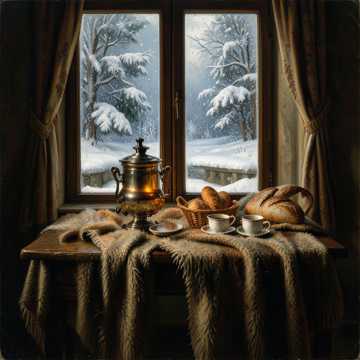
За окном снегопад
Песня рисует живую картину русской зимы: снегопад укрывает улицы, скамейки, деревья и крыши, превращая знакомый мир в праздничную сказку. Народная образность, мужской вокал и ритмичные диско-фолк интонации соединяют морозную свежесть с домашним теплом, самоваром, чаем и ощущением ожидания Нового года.
01:46
17 minutes ago

Песня_слепого_дождя_
Дождевые капли превращаются в строки стихов и музыку любви: от задумчивой нежности первого куплета песня переходит к светлой, игривой радости. Медленный вальс в размере3/4, тёплый баритон и постепенное развитие акустической аранжировки создают атмосферу для тихого вечера, лирического танца или неспешного размышления.
03:39
3 hours ago

Песня_слепого_дождя_
Лирическая баллада превращает дождевые капли в строки стихов и мелодию любви. Нежность первого куплета сменяется светлой радостью второго, а повторяющийся припев придаёт песне мягкое вальсовое кружение.
03:17
4 hours ago
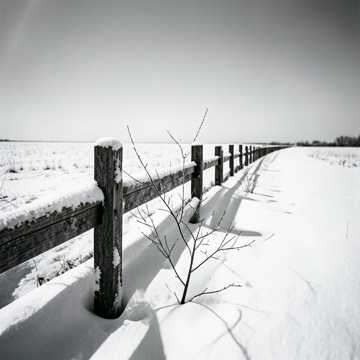
русь зимняя
Песня воспевает зимнюю Русь как пространство красоты, радости и живой традиции. Образ небесной перины, укрывающей землю снегом, сменяется солнечным сиянием и синевой. Напевная мелодия, открытый женский голос и народные инструменты создают тёплое, праздничное настроение.
03:02
8 hours ago

Новый год в родном лесу
Добрая новогодняя песня превращает родной лес в место общей радости: сияющая ёлка, смех и подарки соединяются с пожеланием оставить печали позади и стать добрее. Задушевный куплет раскрывается в широком припеве, который легко петь всей компанией.
00:52
10 hours ago

Оставь меня в покое
Герой устал от бесконечных застолий, поздравлений и праздничного шума, которыми его окружает неугомонный Повелитель Ветра. За внешней комедией скрываются эмоциональное истощение, потребность в личных границах и искреннее желание хотя бы одну ночь провести в покое.
03:54
19 hours ago

Сказ о богатыре русском. Оказия первая.
Скоморошья былина рассказывает о возвращении Ильи в опустошённую Русь, встрече с жителями, пленённых Змеем Горынычем, и богатырском вызове чудовищу. Эпическая решимость сочетается с озорным юмором, театральными диалогами, стремительным гусельным сопровождением и выразительными паузами.
04:24
1 days ago

Сказ о богатыре русском. Оказия первая.
Илья-богатырь возвращается из похода и видит разорённую родную землю. Напоив старца и девицу у деревенского колодца, он отправляется освобождать пленников от чудо-змея. Сказ сочетает былинную героику, народный юмор, театральные диалоги, задорную игру и внезапную угрожающую кульминацию.
04:32
1 days ago
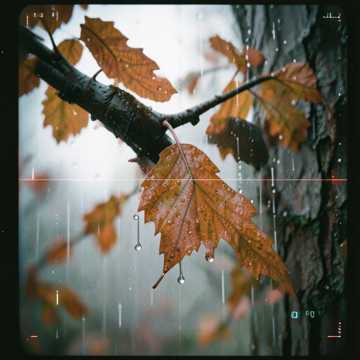
НАСТАЛА_ОСЕНЬ
Песня связывает осенний пейзаж с внутренним состоянием человека. Дождь, листопад и грядущая зима становятся метафорами усталости и душевного сна, а надежда на весну возвращает веру в любовь, обновление и продолжение жизненного пути.
03:38
1 days ago

НАСТАЛА_ОСЕНЬ
Песня превращает осень в метафору человеческой жизни: дождь, листопад и зима отражают внутреннюю усталость, но за ними сохраняется вера в возвращение весны, любви и душевного тепла.
04:20
1 days ago

Новогодняя нечисть
Энергичная детская новогодняя песня превращает русскую зимнюю нечисть в весёлых участников карнавала. Баба-яга, Леший, Кикимора и Кощей зовут ребят играть в снежки, кататься на лыжах и санках, танцевать и встречать Новый год.
02:46
1 days ago

К
«К» задумана как сочетание русского народного стиля и современной церемониальной музыки, вдохновлённое образностью палехской росписи. Торжественный характер делает композицию подходящей для культурных презентаций и рекламных видеороликов. Без текста и аудио нельзя достоверно определить сюжет, темп или инструменты.
02:30
Invalid date

К
«К» соединяет русские народные мотивы с современной торжественной эстетикой, вызывая ассоциации с изяществом палехской росписи. Заявленный стиль подходит для проморолика о ремёслах, выставке или культурном событии. Текст, темп и конкретный инструментальный состав не указаны.
02:58
Invalid date

Поп и Балда
Инструментальная композиция в духе русской народной сатиры: упругий двухдольный грув, балалаечные щипки, хлопки, басовый пульс и аккордеонные акценты создают озорное, театральное настроение. Музыка звучит как задорная сценка с комическим противостоянием и легко запоминающимся припевным напором.
02:49
Invalid date

Siberian Drift
Siberian Drift moves through a sparse, wintry atmosphere where swung half-time drums, dusty textures, and distant balalaika tones evoke isolation and memory. Its stretched melodic loop drifts between emptiness and fragile warmth, while reverse swells and warped chords deepen the intimate, melancholic mood.
03:12
1 days ago

Материнского сердца заветы...
История девочки, потерявшей мать под обстрелом и выжившей в разрушенном селе. Воспоминания о материнских словах переплетаются с голодом, страхом и короткой надеждой, принесённой солдатом. Тяжёлая рок-баллада превращает личную боль в размышление о стойкости и цене защиты.
06:20
1 days ago
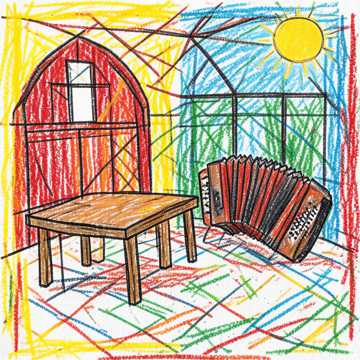
Лето в деревне
Инструментальная композиция передаёт беззаботное, хулиганское лето в деревне через топающий среднетемповый грув, гармошку, акустическую гитару, хлопки и шумные хоровые выкрики. Музыка звучит как дерзкий деревенский праздник в тесном, переполненном трактире.
02:56
2 days ago

Сути смыслов Жизни
Песня представляет жизнь как полёт, в котором мечта выбирает курс, а разум, душа, сердце и судьба становятся спутниками человека. Радостная народная лирика придаёт размышлению о предназначении тепло и заразительный подъём. Произведение подойдёт для праздничного концерта, творческой встречи или вдохновляющей программы о жизненном пути.
02:58
2 days ago

Настала Осень_
Проникновенная осенняя баллада о природных переменах и личных сезонах души. Дождь, листопад и приближение зимы становятся метафорами внутренней тоски, но финал сохраняет надежду на пробуждение, любовь и возвращение душевного тепла вместе с весной.
03:23
2 days ago

Настала Осень_
Песня превращает осень в метафору зрелости, душевной усталости и неизбежных перемен. Через дождь, листопад и зимний сон герой размышляет о собственном сезоне дождей, но сохраняет надежду на возвращение любви, тепла и весеннего обновления.
03:28
2 days ago
Introduction to Russian Folk Music
Russian folk music is a genre rooted in the traditional music of the Russian people, characterized by a rich tapestry of songs, dances, and instrumental compositions. Its origins date back to the earliest Slavic tribes, with influences from various historical periods and regions. Russian folk music evolved through oral traditions, often reflecting the daily life, beliefs, and emotions of the Russian people. The genre includes both ritualistic songs associated with pagan and Christian traditions, as well as lyrical songs that explore themes of love, sorrow, and joy. Over time, Russian folk music has been preserved and passed down through generations, influencing classical composers and modern musicians alike.
Sub-tags and Classifications of Russian Folk Music
Bylina
Byliny are epic narrative poems that tell the tales of legendary heroes and historical events. These songs often feature heroic deeds, battles, and the struggle between good and evil. The melodies are usually simple and repetitive, allowing the focus to be on the storytelling aspect. Byliny were traditionally performed by skomorokhi, wandering minstrels, and have been a significant part of Russian folk culture.
Chastushka
Chastushki are short, humorous, and often satirical songs that are characterized by their fast tempo and rhyming lyrics. They are typically performed with the accompaniment of a balalaika or accordion and are popular in social gatherings. The content of chastushki can vary from light-hearted jokes to sharp social commentary, making them a versatile and expressive form of folk music.
Khorovod
Khorovod refers to traditional circle dances accompanied by singing. This form of folk music and dance is associated with communal celebrations, including seasonal festivals and weddings. The songs and dances are often symbolic, representing the cyclical nature of life and the agricultural calendar. Khorovod is characterized by simple melodies and harmonious singing, emphasizing community and unity.
Lamentations (Plach)
Lamentations, or plach, are mournful songs that express sorrow and grief. These songs are often associated with funerals and other somber occasions. The melodies are slow and melancholic, and the lyrics are deeply emotional, often dealing with themes of loss and longing. Lamentations hold a significant place in Russian folk culture, offering a way to process and express grief.
Plyasovaya
Plyasovaya refers to dance songs that are lively and rhythmic, designed to accompany folk dances. These songs often feature rapid tempos and are performed with the accompaniment of traditional instruments like the balalaika, gusli, and accordion. The lyrics are typically light and playful, celebrating love, nature, and communal joy. Plyasovaya songs are a staple of Russian folk celebrations and festivals.
Famous Artists and Works in Russian Folk Music
Feodor Chaliapin
Feodor Chaliapin was a renowned Russian opera singer who brought Russian folk music to international audiences. He incorporated folk songs into his repertoire, showcasing the beauty and depth of Russian folk melodies. Chaliapin's interpretations of traditional songs like 'The Song of the Volga Boatmen' and 'Dubinushka' remain iconic, highlighting his powerful bass voice and emotional delivery.
Kalinka
'Kalinka' is one of the most famous Russian folk songs, known for its lively tempo and catchy melody. The song's repetitive structure and vibrant rhythm make it a popular choice for dance performances. 'Kalinka' celebrates the beauty of nature, with lyrics that praise the 'kalinka,' a type of snowball tree. The song's energetic refrain and lively beat have made it a staple in Russian folk music, often performed with traditional instruments like the balalaika and accordion.
Lyudmila Zykina
Lyudmila Zykina was a celebrated Russian folk singer known for her powerful and emotive voice. She was a prominent figure in preserving and popularizing Russian folk music in the 20th century. Zykina's performances of songs like 'Orenburgsky Platok' and 'Techiot Rechka' are beloved for their heartfelt expression and cultural authenticity. She played a crucial role in maintaining the tradition of Russian folk music during the Soviet era.
Katyusha
'Katyusha' is a classic Russian folk song that gained widespread popularity during World War II. The song tells the story of a young woman named Katyusha who longs for her beloved, who is serving at the front. The melody is simple yet haunting, and the lyrics evoke a deep sense of love and longing. 'Katyusha' became a symbol of hope and resilience, resonating with many during the war. Its enduring popularity is a testament to its emotional impact and cultural significance.
Pyotr Leshchenko
Pyotr Leshchenko was a popular singer and dancer who blended Russian folk music with contemporary styles, including tango and jazz. Known as the 'King of Russian Tango,' Leshchenko's unique style and charisma brought a new dimension to Russian folk music. His interpretations of folk songs like 'Katyusha' and 'Dark Eyes' were widely acclaimed, bridging the gap between traditional and modern music.
Podmoskovnye Vechera (Moscow Nights)
'Podmoskovnye Vechera,' also known as 'Moscow Nights,' is a lyrical Russian folk song that captures the serene beauty of Moscow's surroundings. The song's gentle melody and poetic lyrics evoke a sense of nostalgia and tranquility. Originally composed in the 1950s, 'Moscow Nights' quickly became an international hit, celebrated for its soothing and romantic qualities. The song is often performed with traditional Russian instruments, adding to its timeless appeal.
Nadezhda Babkina
Nadezhda Babkina is a contemporary Russian folk singer and founder of the 'Russian Song' ensemble. She has dedicated her career to preserving and revitalizing Russian folk music, both in Russia and abroad. Babkina's vibrant performances and innovative arrangements have made folk music accessible to new generations. Her work includes a wide range of traditional songs, from lyrical ballads to lively dance tunes.
The Song of the Volga Boatmen
'The Song of the Volga Boatmen' is a traditional Russian folk song that reflects the hardships faced by the barge haulers on the Volga River. The song's slow, rhythmic melody and deep, resonant lyrics convey a sense of struggle and endurance. It has been performed by various artists, including Feodor Chaliapin, who brought the song to global prominence. The song is notable for its powerful, haunting quality, which captures the resilience of the Russian spirit.
Application Scenarios for Russian Folk Music
Russian folk music is frequently used in movie soundtracks to evoke a sense of cultural authenticity and emotional depth. Its rich melodies and traditional instruments can enhance scenes depicting Russian landscapes, historical events, or emotional moments. For example, the song 'Kalinka' is often used in films to set a festive, joyful atmosphere, while 'The Song of the Volga Boatmen' may underscore scenes of struggle and resilience.
Movie Soundtracks
The unique sound of Russian folk music makes it an effective choice for advertising, particularly in campaigns seeking to convey a sense of tradition, authenticity, or cultural richness. The use of familiar folk tunes can create a memorable and emotional connection with the audience. For instance, a commercial for a Russian product might use a well-known folk song like 'Katyusha' to evoke national pride and nostalgia.
Advertising Music
Russian folk music is also popular in the gaming industry, particularly in games set in Russia or featuring Russian characters. The traditional melodies and instruments can help create an immersive atmosphere, enhancing the player's experience. For example, a game set in a historical Russian village might use folk songs like 'Podmoskovnye Vechera' to provide a sense of place and time. The music can also be used to highlight cultural themes and narratives within the game.
Game Background Music