Free Russian folk Music Generator Powered by AI
Turn text into high-quality Russian folk music effortlessly – no login required!

music.toolTips

Настала Осень_
Песня превращает осень в метафору внутреннего состояния человека: дождь, листопад и грядущая зима отражают усталость и одиночество, но вера в весну сохраняет надежду на возвращение любви, душевного тепла и обновления.
03:33
2 days ago

Настала Осень_
Песня превращает приход осени в метафору человеческой жизни. Дождь, листопад и приближение зимы отражают внутренний сезон дождей, но память о бабьем лете и ожидание весны сохраняют надежду на возвращение души, любви и душевного тепла.
03:35
2 days ago

Душе_одинокой_не_спится
Философская фолк-рок композиция о мире, который постоянно меняет лица, и одинокой душе, живущей за пределами привычной реальности. Энергичный ритм, тёплые гитары и глубокий баритон соединяют задумчивость, романтику и внутреннюю свободу.
03:45
3 days ago

Душе_одинокой_не_спится
Песня размышляет о непостижимой природе мира, его переменчивости и скрытой гармонии. Одинокая душа не подчиняется границам реальности: она бодрствует, мечтает и находит свободу в волшебных пространствах сна. Энергичный фолк-рок постепенно усиливает ощущение тайны, удивления и внутреннего поиска.
03:39
3 days ago
Лето
Песня бережно возвращает героя в деревенское детство: июньские поездки, встреча с Батей, прогулки с конём Кузей и собакой Найдой. Ностальгический припев, природные образы и камерное завершение создают ощущение родного дома, куда сердце неизменно возвращается.
02:34
3 days ago
Кузя и Найду
Песня рассказывает о летних поездках в деревню, где героя встречают конь Кузя и собака Найда. Через запах сена, яблоки, речку и вечерний хор сверчков раскрывается светлая память о детстве, дружбе и дороге домой, которая навсегда остаётся в сердце.
03:33
3 days ago
Медвежонок-гармонист
Песенка рассказывает о медвежонке-гармонисте, который играет у опушки, танцует вместе с зайцами, белкой и ежом, а вечером прощается с лесом до следующего дня. Задорный двухдольный ритм, повторяющийся припев и народные интонации делают её подходящей для детского хорового исполнения.
01:52
3 days ago
Пых и Пыхт
Пых и Пыхт — два дружных бурундука, которые считают лесные запасы, находят орешки и делятся ими. Простая мелодия, повторяющийся припев и тёплый финал превращают историю о лесной дружбе в добрую песенку для совместного пения.
02:18
3 days ago

Сопли и слюни
Весёлая бытовая зарисовка о семье, где каша, галошки, варенье и убежавший суп превращаются в повод для смеха. Просторечный припев, народные интонации и дружные подпевки создают озорную атмосферу домашнего праздника.
02:42
Invalid date

На Караганде
Сатирическая маршевая песня с чёрным юмором и гротеском. Лирический герой описывает опасные намерения, складскую цель и нарастающую одержимость, а народные инструменты и задорный дуэт превращают мрачный сюжет в театральный, почти абсурдный припевный номер.
02:45
4 days ago

Мой Ватерпас
Лирический герой благодарит Надежду за домашний уют и удивительно вкусную еду. Образ ватерпаса становится метафорой точности, гармонии и заботы, а спокойная акустическая мелодия, баритон и мягкие инструменты создают атмосферу нежности, сытости, доверия и семейного тепла.
03:37
4 days ago
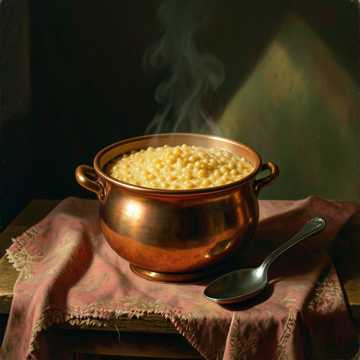
Манка, манка
Комическая семейная история о том, как Александр просит манную кашу, Вика готовит её для всей семьи, а дети с удовольствием присоединяются к обеду. Песня превращает обычную кухонную сцену в шумный, добрый праздник с шутками, заботой и неизбежной горой посуды.
02:33
4 days ago
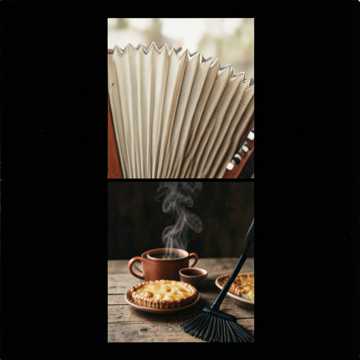
Летала на метле
Зажигательная частушка о хмельной героине, которая будто летает на метле, встречает чёрта и смеётся над суевериями. Гармонь, бойкий припев и деревенский юмор создают атмосферу шумного народного гуляния.
01:57
4 days ago

Глазки для кавалера
Игривная героиня кокетничает с застенчивым кавалером, превращая взаимную симпатию в весёлую игру намёков. Частушечная основа, задорный припев, выразительный женский вокал, бубен, бас и электрогитара создают атмосферу народного праздника, флирта и беззаботной романтики.
02:53
4 days ago

апро
Песня с добрым юмором рассказывает о паре, которая мечтает вместе состариться, ворчать, дремать у печки и гонять на колясках с турбиной. Синт-роковая энергия, частушечная интонация и мощный припев превращают бытовые детали в гимн вечной любви.
01:24
4 days ago

па1
Озорная сатирическая песня высмеивает самоуверенную болтовню, псевдообразованность и отсутствие фактов. Куплеты звучат живо и насмешливо, а замедленный припев превращается в театральный трактирный приговор. Женский вокал, баян, аккордеон, гитара, контрабас и публика создают атмосферу шумного народного представления.
03:10
5 days ago

1111
Песня с юмором и нежностью представляет совместную старость как продолжение большой любви: очки, таблетки, храп и кресло с турбиной становятся символами близости, верности и радости прожить век рядом.
02:23
5 days ago

Куда уходит водка
Ироничная и душевная история о загадочно исчезнувшей водке превращается в гимн товариществу, свободе и надежде. Герои ищут счастье сквозь зиму, жару и переменчивую судьбу, сохраняя верность дружбе, общему столу и жизненному фарту.
03:12
5 days ago

Что не вымолвил строй
Песнь повествует о восстании декабристов14 декабря1825 года: от растерянного ожидания на морозной площади до картечного разгона, казней и сибирской ссылки. Сдержанный баритон, гитара, фортепиано и скорбные струны подчёркивают трагедию несказанных слов, мужества и исторической памяти.
05:49
5 days ago

红蝴蝶
À travers un dialogue entre un enfant et une voix masculine, la chanson interroge l’injustice sociale, le travail et l’histoire. Accordéon, balalaïka, chœur et langues française, russe et chinoise accompagnent un papillon symbolique, porteur d’une mémoire révolutionnaire qui renaît dans l’espoir collectif.
03:11
6 days ago
Introduction to Russian Folk Music
Russian folk music is a genre rooted in the traditional music of the Russian people, characterized by a rich tapestry of songs, dances, and instrumental compositions. Its origins date back to the earliest Slavic tribes, with influences from various historical periods and regions. Russian folk music evolved through oral traditions, often reflecting the daily life, beliefs, and emotions of the Russian people. The genre includes both ritualistic songs associated with pagan and Christian traditions, as well as lyrical songs that explore themes of love, sorrow, and joy. Over time, Russian folk music has been preserved and passed down through generations, influencing classical composers and modern musicians alike.
Sub-tags and Classifications of Russian Folk Music
Bylina
Byliny are epic narrative poems that tell the tales of legendary heroes and historical events. These songs often feature heroic deeds, battles, and the struggle between good and evil. The melodies are usually simple and repetitive, allowing the focus to be on the storytelling aspect. Byliny were traditionally performed by skomorokhi, wandering minstrels, and have been a significant part of Russian folk culture.
Chastushka
Chastushki are short, humorous, and often satirical songs that are characterized by their fast tempo and rhyming lyrics. They are typically performed with the accompaniment of a balalaika or accordion and are popular in social gatherings. The content of chastushki can vary from light-hearted jokes to sharp social commentary, making them a versatile and expressive form of folk music.
Khorovod
Khorovod refers to traditional circle dances accompanied by singing. This form of folk music and dance is associated with communal celebrations, including seasonal festivals and weddings. The songs and dances are often symbolic, representing the cyclical nature of life and the agricultural calendar. Khorovod is characterized by simple melodies and harmonious singing, emphasizing community and unity.
Lamentations (Plach)
Lamentations, or plach, are mournful songs that express sorrow and grief. These songs are often associated with funerals and other somber occasions. The melodies are slow and melancholic, and the lyrics are deeply emotional, often dealing with themes of loss and longing. Lamentations hold a significant place in Russian folk culture, offering a way to process and express grief.
Plyasovaya
Plyasovaya refers to dance songs that are lively and rhythmic, designed to accompany folk dances. These songs often feature rapid tempos and are performed with the accompaniment of traditional instruments like the balalaika, gusli, and accordion. The lyrics are typically light and playful, celebrating love, nature, and communal joy. Plyasovaya songs are a staple of Russian folk celebrations and festivals.
Famous Artists and Works in Russian Folk Music
Feodor Chaliapin
Feodor Chaliapin was a renowned Russian opera singer who brought Russian folk music to international audiences. He incorporated folk songs into his repertoire, showcasing the beauty and depth of Russian folk melodies. Chaliapin's interpretations of traditional songs like 'The Song of the Volga Boatmen' and 'Dubinushka' remain iconic, highlighting his powerful bass voice and emotional delivery.
Kalinka
'Kalinka' is one of the most famous Russian folk songs, known for its lively tempo and catchy melody. The song's repetitive structure and vibrant rhythm make it a popular choice for dance performances. 'Kalinka' celebrates the beauty of nature, with lyrics that praise the 'kalinka,' a type of snowball tree. The song's energetic refrain and lively beat have made it a staple in Russian folk music, often performed with traditional instruments like the balalaika and accordion.
Lyudmila Zykina
Lyudmila Zykina was a celebrated Russian folk singer known for her powerful and emotive voice. She was a prominent figure in preserving and popularizing Russian folk music in the 20th century. Zykina's performances of songs like 'Orenburgsky Platok' and 'Techiot Rechka' are beloved for their heartfelt expression and cultural authenticity. She played a crucial role in maintaining the tradition of Russian folk music during the Soviet era.
Katyusha
'Katyusha' is a classic Russian folk song that gained widespread popularity during World War II. The song tells the story of a young woman named Katyusha who longs for her beloved, who is serving at the front. The melody is simple yet haunting, and the lyrics evoke a deep sense of love and longing. 'Katyusha' became a symbol of hope and resilience, resonating with many during the war. Its enduring popularity is a testament to its emotional impact and cultural significance.
Pyotr Leshchenko
Pyotr Leshchenko was a popular singer and dancer who blended Russian folk music with contemporary styles, including tango and jazz. Known as the 'King of Russian Tango,' Leshchenko's unique style and charisma brought a new dimension to Russian folk music. His interpretations of folk songs like 'Katyusha' and 'Dark Eyes' were widely acclaimed, bridging the gap between traditional and modern music.
Podmoskovnye Vechera (Moscow Nights)
'Podmoskovnye Vechera,' also known as 'Moscow Nights,' is a lyrical Russian folk song that captures the serene beauty of Moscow's surroundings. The song's gentle melody and poetic lyrics evoke a sense of nostalgia and tranquility. Originally composed in the 1950s, 'Moscow Nights' quickly became an international hit, celebrated for its soothing and romantic qualities. The song is often performed with traditional Russian instruments, adding to its timeless appeal.
Nadezhda Babkina
Nadezhda Babkina is a contemporary Russian folk singer and founder of the 'Russian Song' ensemble. She has dedicated her career to preserving and revitalizing Russian folk music, both in Russia and abroad. Babkina's vibrant performances and innovative arrangements have made folk music accessible to new generations. Her work includes a wide range of traditional songs, from lyrical ballads to lively dance tunes.
The Song of the Volga Boatmen
'The Song of the Volga Boatmen' is a traditional Russian folk song that reflects the hardships faced by the barge haulers on the Volga River. The song's slow, rhythmic melody and deep, resonant lyrics convey a sense of struggle and endurance. It has been performed by various artists, including Feodor Chaliapin, who brought the song to global prominence. The song is notable for its powerful, haunting quality, which captures the resilience of the Russian spirit.
Application Scenarios for Russian Folk Music
Russian folk music is frequently used in movie soundtracks to evoke a sense of cultural authenticity and emotional depth. Its rich melodies and traditional instruments can enhance scenes depicting Russian landscapes, historical events, or emotional moments. For example, the song 'Kalinka' is often used in films to set a festive, joyful atmosphere, while 'The Song of the Volga Boatmen' may underscore scenes of struggle and resilience.
Movie Soundtracks
The unique sound of Russian folk music makes it an effective choice for advertising, particularly in campaigns seeking to convey a sense of tradition, authenticity, or cultural richness. The use of familiar folk tunes can create a memorable and emotional connection with the audience. For instance, a commercial for a Russian product might use a well-known folk song like 'Katyusha' to evoke national pride and nostalgia.
Advertising Music
Russian folk music is also popular in the gaming industry, particularly in games set in Russia or featuring Russian characters. The traditional melodies and instruments can help create an immersive atmosphere, enhancing the player's experience. For example, a game set in a historical Russian village might use folk songs like 'Podmoskovnye Vechera' to provide a sense of place and time. The music can also be used to highlight cultural themes and narratives within the game.
Game Background Music