Free crowd cheering Music Generator Powered by AI
Turn text into high-quality crowd cheering music effortlessly – no login required!

music.toolTips
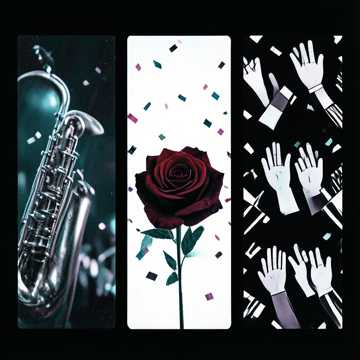
party anthem,crowd,cheering,dance floor,high energy
A joyful declaration of mutual love, centered on a red rose preserved as a lasting symbol of devotion. The tender lyrics are elevated by a fast, festive arrangement featuring powerful vocals, Batak Simalungun character, crowd participation, bright saxophone flourishes, and an irresistible celebration atmosphere.
03:04
6 days ago

party anthem,crowd,cheering,dance floor,high energy
Lagu ini merayakan cinta yang diterima melalui simbol mawar merah. Pengulangan lirik memperkuat kesan mudah diingat, sementara aransemen pop Batak yang cepat, meriah, dan penuh sorakan menciptakan suasana pesta pernikahan yang mengajak pendengar berjoget bersama.
02:29
6 days ago
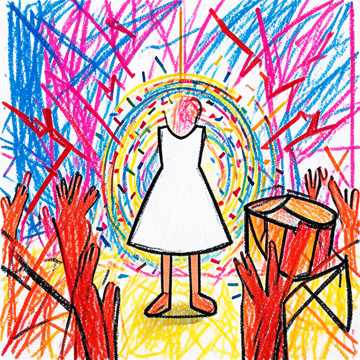
party anthem,crowd,cheering,dance floor,high energy
Lagu ini merayakan cinta seumur hidup, janji pernikahan, dan keindahan pasangan dalam balutan putih. Nuansa romantis berpadu dengan aransemen pesta Batak Simalungun yang sangat enerjik, menghadirkan suasana resepsi meriah, penuh sorakan, tarian, dan harapan tentang keluarga di masa depan.
04:25
6 days ago
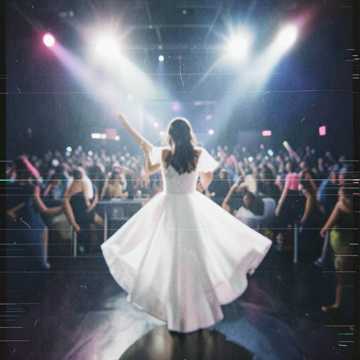
party anthem,crowd,cheering,dance floor,high energy
Sebuah deklarasi cinta abadi untuk pernikahan, dibawakan dengan energi pesta yang meriah. Liriknya merayakan pertemuan, janji setia, keindahan pasangan dalam balutan putih, serta harapan keluarga, sementara aransemen cepat menghadirkan suasana panggung yang hangat, bahagia, dan mengajak semua orang berdansa.
04:04
6 days ago
Crowd Cheering: Definition, Sound, and History
Crowd Cheering is the sound of a group expressing excitement, approval, encouragement, or celebration together. It may include applause, whistles, chants, whoops, stomping, and shouted words, with the size and energy of the crowd shaping its character. In music and sound design, Crowd Cheering can be recorded live or created as a staged or synthesized crowd effect. Its history reaches back to communal celebrations and public spectacles, where collective voices marked victories, performances, and important events. The growth of organized sport, theater, concert halls, radio, film, and television made crowd reactions increasingly familiar as both real recordings and dramatic sound effects. Today, Crowd Cheering appears in music production, broadcast audio, games, advertising, and film, where it can suggest excitement, scale, triumph, or audience participation.
Crowd Cheering Sub-Tags and Classifications
Sports Crowd Cheering
Sports Crowd Cheering captures supporters reacting to a goal, win, record, or dramatic play. It often combines loud shouts, clapping, whistles, chants, and surges in volume. This classification is useful when a production needs the recognizable atmosphere of a stadium, arena, or packed sports venue.
Concert and Festival Cheering
Concert and festival Crowd Cheering features fans responding to a performer, chorus, solo, or encore. Screams, applause, rhythmic clapping, and calls from the audience can make a live performance feel immediate and communal. The sound may be intimate and close-miked or wide and reverberant, depending on the venue.
Theater and Event Applause
This type of Crowd Cheering centers on applause and vocal approval after a stage performance, speech, award, or public announcement. It can range from polite, measured clapping to a standing ovation with whistles and enthusiastic shouts, making it useful for conveying appreciation or ceremony.
Victory and Celebration Cheering
Victory Crowd Cheering communicates a clear moment of success, such as a championship, graduation, prize announcement, or personal achievement. It commonly rises quickly from anticipation into a sustained burst of applause and shouting, giving editors a strong audio cue for triumph.
Chanting Crowd
A chanting crowd repeats a short phrase, name, lyric, or rhythmic call, sometimes in a call-and-response pattern. Unlike general cheering, chants have an organized pulse and recognizable words or syllables. They can create unity, build anticipation, or provide a musical rhythm beneath a scene.
Distant or Ambient Crowd Cheering
Distant Crowd Cheering is a diffuse background layer rather than a sharply defined reaction. Reduced detail, softer transients, and venue reverberation make it suitable for establishing a busy stadium, festival, parade, or public gathering without drawing attention away from dialogue or music.
Small-Group Cheering
Small-group Crowd Cheering represents a handful of people celebrating together, such as teammates, friends, or a studio audience. It tends to sound more individual and less reverberant than a stadium recording, making it effective for intimate scenes, social content, and close-up reactions.
Processed and Stylized Crowd Cheering
Processed Crowd Cheering is edited or layered to fit a particular musical or dramatic style. Producers may alter pitch, timing, stereo width, reverberation, or dynamics, or combine several recordings to create a larger, more rhythmic, or intentionally unreal crowd.
Artists and Classic Works Associated with Crowd Cheering
Queen
Queen made audience participation a defining part of arena rock. Live performances of songs such as "We Will Rock You" and "We Are the Champions" turn clapping, stomping, singing, and cheering into part of the musical experience. Their concert recordings demonstrate how Crowd Cheering can interact with a band rather than merely sit in the background.
Queen — "We Will Rock You" (live performances)
Built around a simple stomp-stomp-clap pulse, "We Will Rock You" invites audiences to make the venue part of the percussion. Live performances often blur the boundary between song and Crowd Cheering: the audience supplies rhythm, voices, and collective energy. Its innovation lies in making participation structurally central rather than treating it as incidental concert ambience.
Bruce Springsteen
Bruce Springsteen is known for energetic live shows in which long performances, audience sing-alongs, and enthusiastic reactions create a strong sense of shared occasion. Live versions of songs such as "Born to Run" illustrate how Crowd Cheering can reinforce emotional build-up and make a performance feel communal.
Queen — "We Are the Champions" (live performances)
The song’s steady build and memorable refrain make it especially effective as a shared victory anthem. In live settings, audience singing and cheering extend the chorus beyond the lead vocal, creating a powerful sense of collective achievement. It is a familiar example of Crowd Cheering supporting both musical climax and emotional resolution.
The Beatles
The Beatles’ mid-1960s concert recordings preserve the intense audience response that accompanied Beatlemania. The cheering is historically notable for its scale and for how it shaped the sound and practical conditions of live popular music during the era.
The Beatles — Live at Shea Stadium (1965)
The Beatles’ Shea Stadium performance is widely associated with the extraordinary volume of the audience response. The recording documents a landmark moment in large-scale popular music performance and illustrates how Crowd Cheering can become a defining part of a live recording’s historical atmosphere. It also reflects the technical challenges of capturing performers amid intense crowd noise.
James Brown
James Brown’s live performances used calls, responses, band cues, and audience reactions to create a tightly connected performance. His concert recordings show how crowd noise can function as part of the arrangement, emphasizing rhythmic momentum and the exchange between performer and audience.
James Brown — Live at the Apollo (1963)
This live recording presents a highly responsive audience whose shouts and applause contribute to the performance’s momentum. James Brown’s timing, vocal cues, and interaction with the band make the crowd feel integrated into the musical event. The result is an influential example of Crowd Cheering as a dynamic element in a soul performance.
Gloria Gaynor
Live performances of Gloria Gaynor’s "I Will Survive" often feature strong audience participation and celebratory reactions. The song’s enduring role as an anthem demonstrates how a familiar chorus can turn a crowd from listeners into active participants.
Queen — "Radio Ga Ga" (Live Aid,1985)
During Queen’s Live Aid performance, the audience’s synchronized clapping became a memorable visual and sonic response to the song. The moment demonstrates how a concise rhythmic gesture can unite a very large crowd and translate effectively through broadcast audio. Crowd participation is central to the performance’s impact, not simply a reaction after the music.
John Williams
As a film composer, John Williams has written orchestral music that frequently accompanies moments of victory, spectacle, and public celebration. In cinematic sequences, such scores work alongside crowd reactions to heighten scale and emotional impact, even when the cheering itself is captured separately as production or sound-design audio.
The Beatles — "Twist and Shout" (live concert recordings)
The song’s energetic rhythm and direct vocal delivery make it a natural trigger for audience excitement in concert recordings. Cheering and shouting around the performance help convey the urgency of the live setting and the close relationship between a familiar song and its audience. It is a useful reference for productions seeking lively, high-energy concert ambience.
Crowd Cheering Applications in Film, Music, Games, and Media
Crowd Cheering can establish the scale of a championship, concert, rally, parade, or public celebration. A sudden swell of cheering can mark a character’s victory or reveal an event taking place beyond the frame. Sound designers can layer close voices, broad crowd ambience, and venue reverberation to make the reaction feel convincing.
Movie soundtracks and dramatic scenes
Sports productions use Crowd Cheering to preserve the excitement of a live event and emphasize key plays. Editors may increase the level of a crowd swell at a goal or final whistle, while quieter crowd ambience helps maintain a sense of place between moments of action.
Sports broadcasts and highlight reels
Crowd Cheering can give an advertisement an upbeat, triumphant finish or suggest that a product, team, or event has broad public support. Short, clean bursts are often more effective than long recordings, especially when placed beneath a slogan, logo reveal, or call to action.
Advertising and promotional videos
Games use Crowd Cheering to provide feedback for goals, completed objectives, race finishes, achievements, and player choices. Adaptive audio can vary the volume or intensity according to gameplay, while loopable stadium or arena ambience keeps the environment lively between major events.
Video games
In a live album, Crowd Cheering communicates the atmosphere of the venue and the relationship between performer and audience. Engineers balance applause and voices against the music so the recording feels energetic without obscuring vocals or instruments.
Live albums and concert recordings
A brief Crowd Cheering effect can signal anticipation, scale, or a climactic payoff in a trailer. It can be introduced gradually beneath a musical build or used as a sharp accent at the reveal, helping the edit feel larger and more emotionally charged.
Trailers, teasers, and event promos
Creators often use a short cheering sound to punctuate a win, reveal, milestone, or humorous success. A small-group reaction may feel personal and playful, while a large crowd recording creates an intentionally exaggerated sense of celebration.
Social media and creator videos
Crowd Cheering recordings can support promotional packages, event recaps, transitions, or staged presentations. The type of reaction should match the occasion: restrained applause for a formal ceremony, or energetic shouts and whistles for a concert or sporting celebration.
Theater, ceremonies, and public events
Producers can use Crowd Cheering as an intro, outro, transition, or background texture. Filtering, panning, compression, and reverberation help fit the recording into a mix, while layering distinct crowd takes can create a fuller and more natural sense of scale.
Music production and sound design